Driving Manual · Theory
Chapter 7 - Lighting and Optical Signals
The lighting and optical systems of a vehicle are essential for road safety. They allow drivers to see, be seen, and communicate with other road users. Using the correct lights in each situation helps prevent accidents and ensures all road users understand each other's intentions.
7.1 Main Functions of Vehicle Lighting
Lighting systems serve three primary functions:
To see
Illuminate the road and surroundings ahead of the vehicle.
To be seen
Make the vehicle visible to others.
To signal
Communicate the driver's intentions, such as turning, stopping, or reversing.
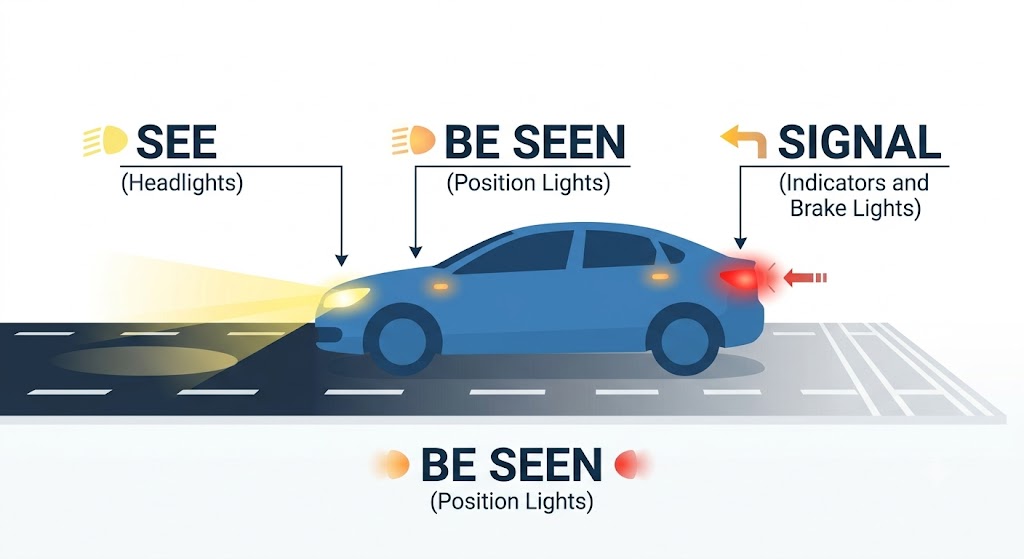
Whenever lighting is mandatory and the vehicle is moving, at least one light to see and one light to be seen must be switched on.
7.2 When Lighting Must Be Used
- Between sunset and sunrise.
- In poor visibility due to weather conditions: heavy rain, fog, snow, smoke, or dust clouds.
- In tunnels, underpasses, and locations marked with tunnel signs.
- On reversible, additional, or opposite-direction lanes, regardless of time of day.
- By motorcycles at all times, day and night.
Definition of insufficient lighting: when you cannot read a licence plate from 10 metres, or distinguish a dark-coloured vehicle from 50 metres away.
7.3 Lights for Visibility (To Be Seen)
7.3.1 Position Lights
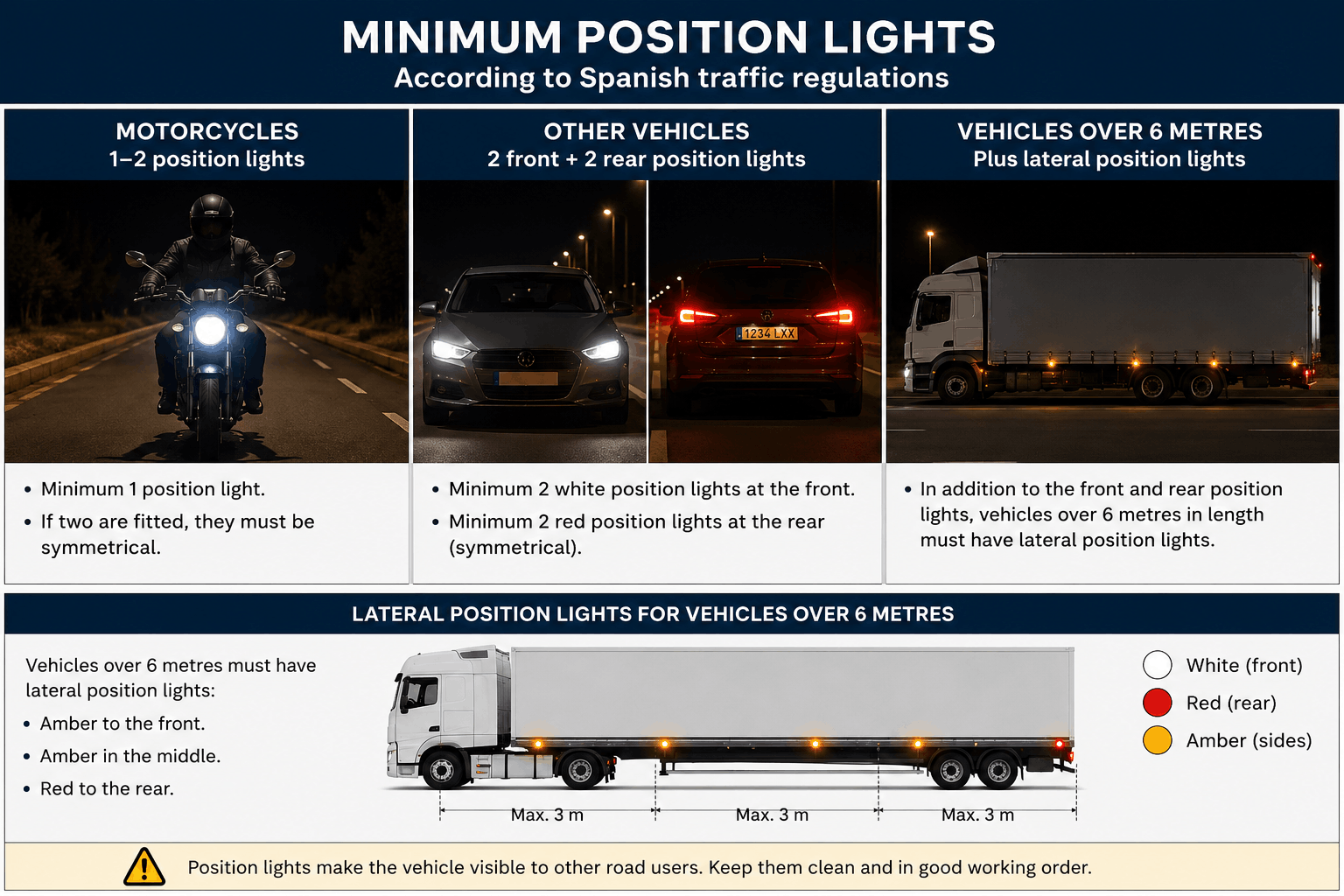
- Indicate the presence and width of the vehicle.
- Mandatory when the vehicle is in motion and lighting is required.
- Colours: white (front), red (rear), amber/red (side).
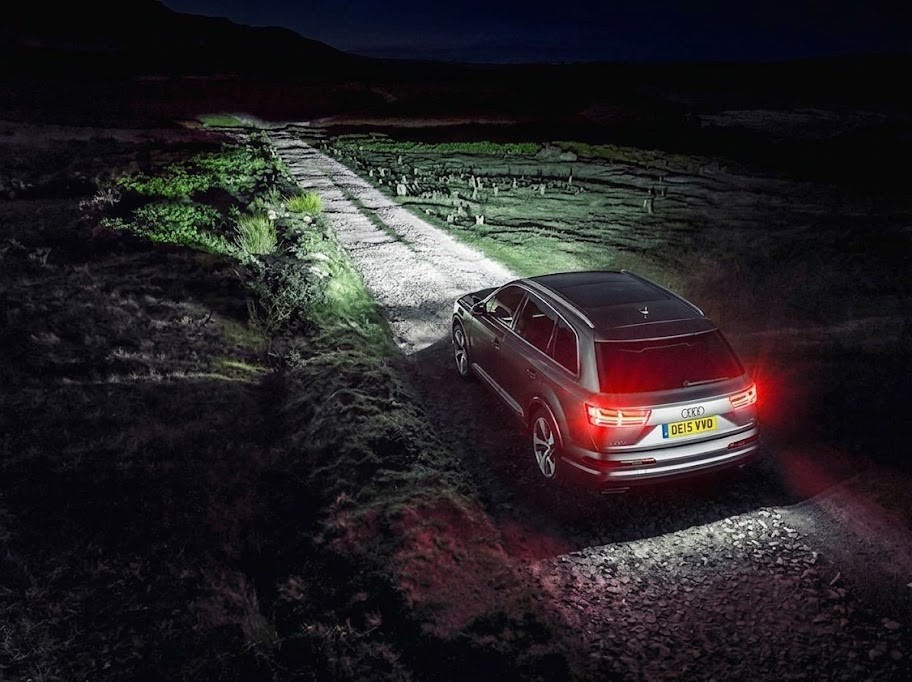
Number of lights:
- Motorcycles and tricycles: one or two front and rear.
- Other vehicles: two front and two rear minimum.
- Vehicles over 6 metres long: at least two lateral position lights.
7.3.2 Parking Lights
Used when parked on poorly lit roads. Optional, and serve the same function as position lights.
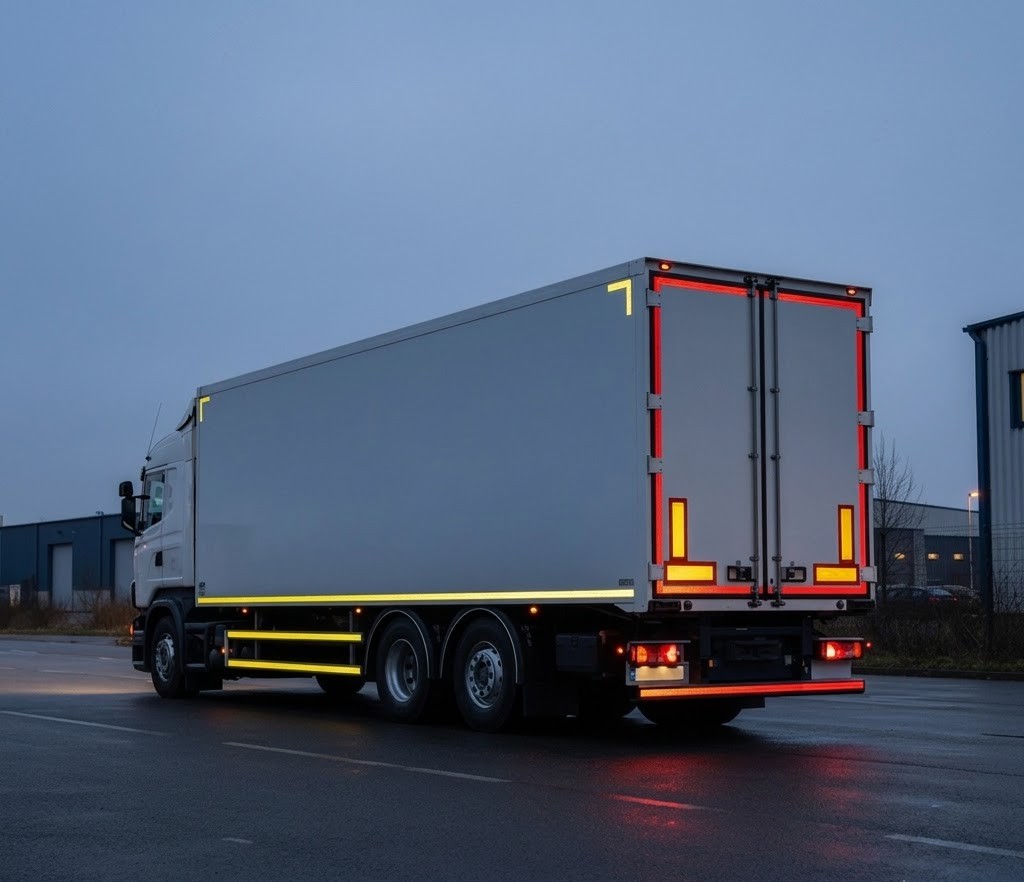
7.3.3 Reflectors (Catadioptrics)
- Non-illuminated devices that reflect light from other sources.
- Red at the rear, white at the front, amber on the sides (trailers/semi-trailers).
7.4 Lights for Visibility (To See)
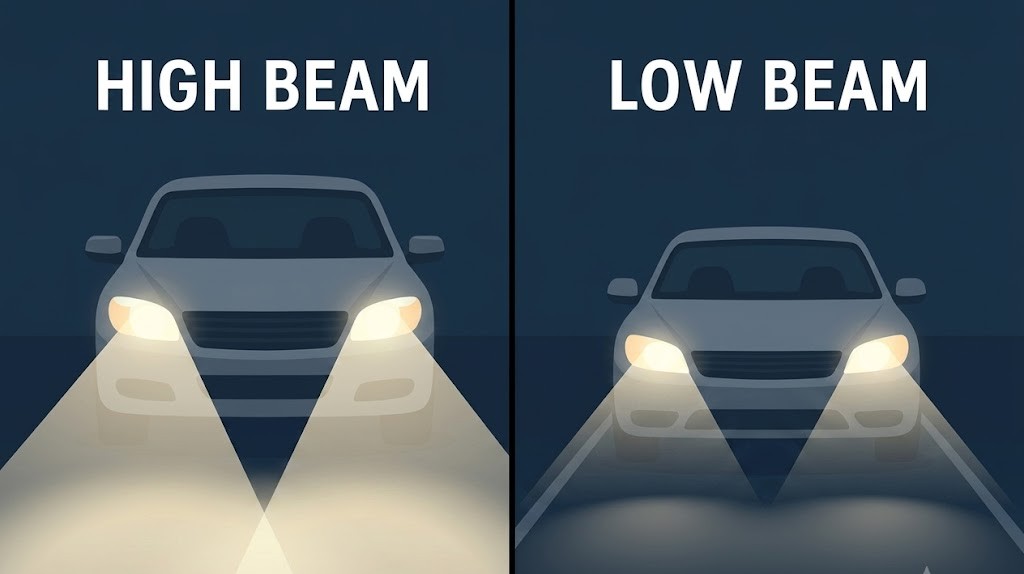
7.4.1 Low Beam Headlights (Dipped Beam)
- Used at night on illuminated roads and during reduced visibility conditions during the day.
- Also mandatory in reversible or special lanes, and always for motorcycles.
7.4.2 High Beam Headlights (Main Beam)
- Used outside urban areas on poorly lit roads.
- Must be turned off to avoid dazzling oncoming or preceding vehicles.
- Not allowed in urban areas or when there is a risk of glare.
7.4.3 Fog Lights
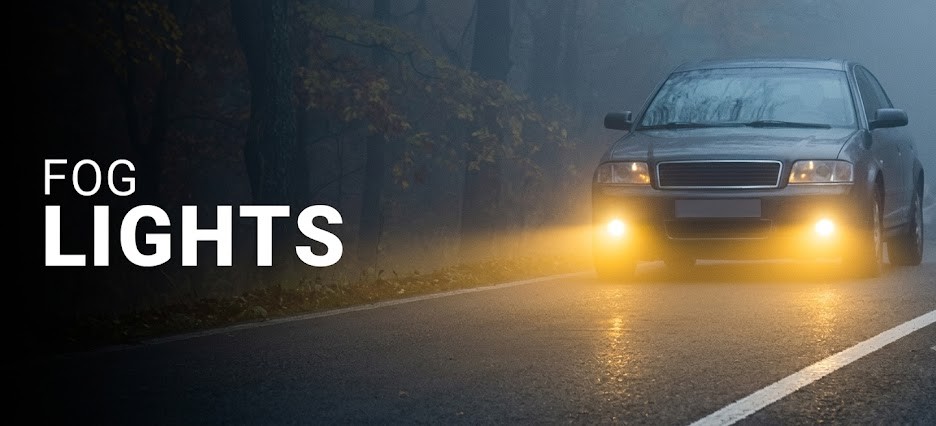
- Front fog lights: optional. Can be used in dense fog, rain, snow, or on narrow, winding roads.
- Rear fog light: mandatory in heavy fog, rain, or snow. Must be turned off once visibility improves.
7.5 Lights to Signal Maneuvers
7.5.1 Turn Indicators
- Amber-coloured lights indicating the vehicle's direction of turn or lane change.
- Mandatory on all motor vehicles, trailers, and semi-trailers.
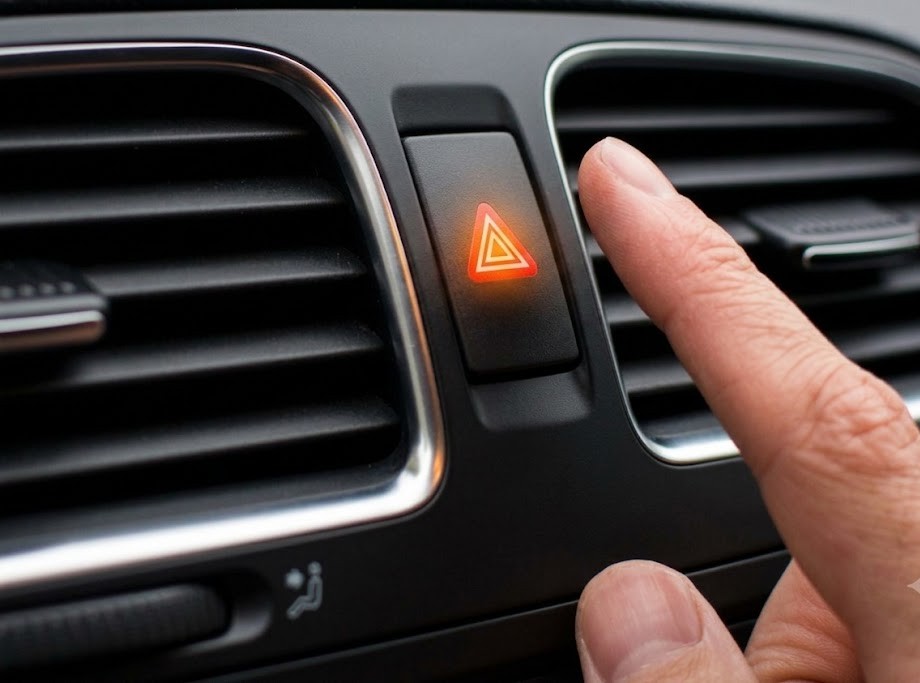
7.5.2 Emergency Warning Lights
All turn indicators flash simultaneously. Used when:
- The vehicle is forced to drive below the minimum speed due to a breakdown or traffic.
- The vehicle is immobilised on any type of road due to an emergency.
- Providing roadside assistance or during emergency service.
7.5.3 Brake Lights
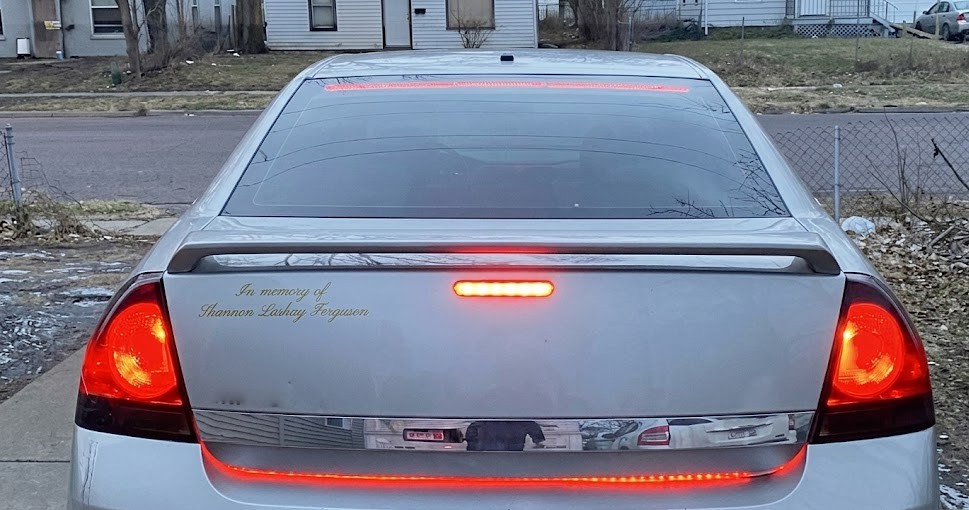
- Red lights of higher intensity than rear position lights.
- Indicate deceleration or braking. Can be flashed briefly to warn of sudden braking.
7.5.4 Reverse Lights
- White light that activates automatically when reverse gear is engaged.
- Warns others that the vehicle is moving or about to move backwards.
7.5.5 Number Plate Light
- White light to illuminate the rear licence plate.
- Service vehicles must also illuminate the "SP" plate when present.
- Activates automatically with the position lights.
7.5.6 Interior Cabin Light
- Illuminates the vehicle's interior without affecting external visibility.
- Mandatory in public transport and rental vehicles; optional in private cars.
7.6 Advanced Lighting Technology
7.6.1 Xenon & Bi-Xenon Lamps
Offer better illumination and reduce driver eye strain.
7.6.2 Adaptive Headlights
Follow the direction of steering, improving visibility on curves.
7.6.3 Daytime Running Lights (DRL)
Increase the vehicle's visibility during the day. Automatically turn on when the engine starts.
7.7 Headlight Adjustment and Maintenance
- Ensure lights are correctly adjusted to prevent dazzling other drivers or insufficient lighting.
- Lights should be checked periodically and cleaned to maintain efficiency.
- Adjust the angle of the lights according to the vehicle's load.
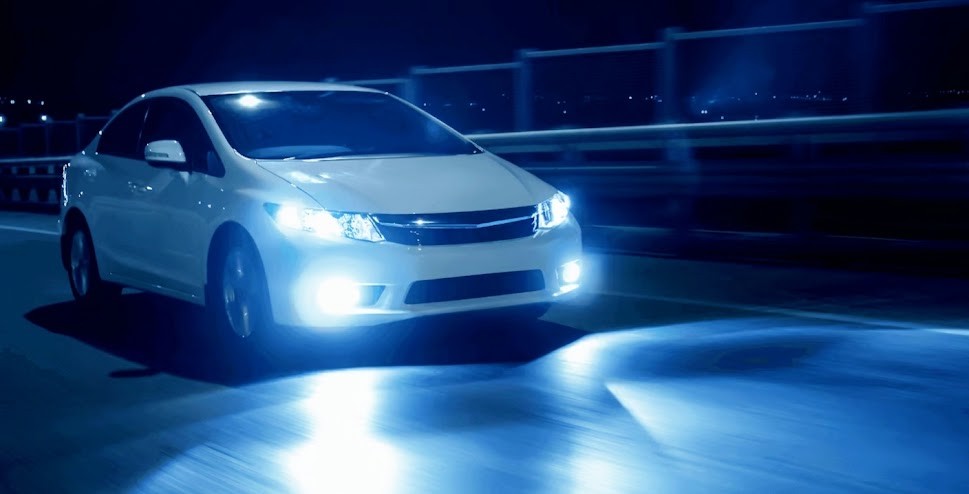
7.8 Summary of Lighting Rules
- Use lights to see, be seen, and communicate.
- Know when and which lights to use depending on the road, time, and conditions.
- Ensure your lighting system is clean, functional, and properly adjusted.
See · Be seen · Communicate
Ready to test your knowledge?
Practice questions covering everything in Chapter 7 - Lighting and Signals.Last updated: 2026-06-27
Practice the questions for this chapter
The theory is free to read. Create a free account to practice official-format questions and track your progress.