Chapter 4 - Maneuvers
Performing maneuvers safely is a key aspect of responsible driving. A maneuver is any change in the vehicle's normal movement on the road. This chapter covers all types of maneuvers, their rules, and the necessary precautions.
4.1 General Concepts
A maneuver includes:
- Joining traffic (incorporation)
- Lateral movement (lane change)
- Overtaking
- Turning (change of direction)
- U-turn (change of sense)
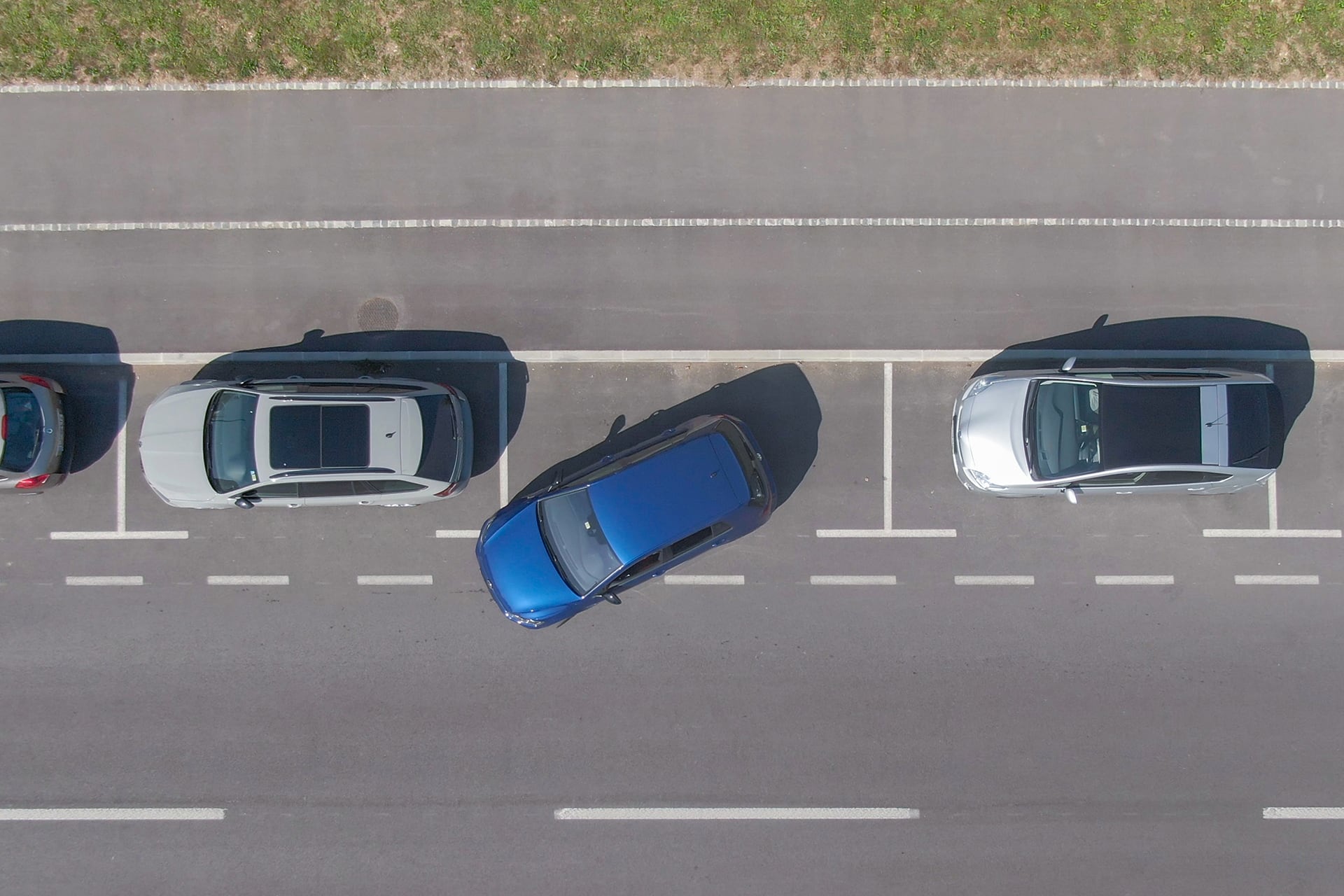
- Stopping and parking
- Reversing
4.2 Safety Rule (RSM)
Before performing any maneuver, apply the RSM rule:
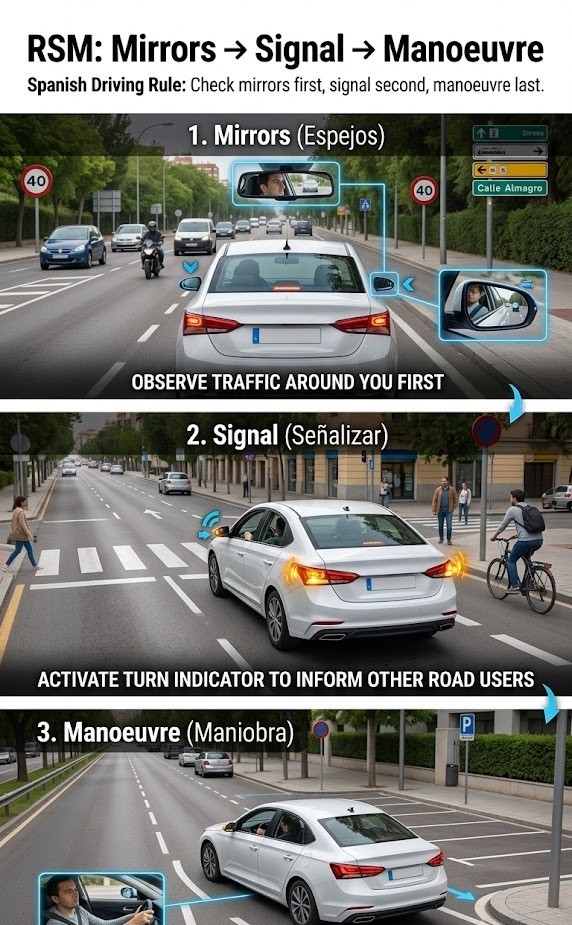
4.2.1 Mirrors
Observation includes mirrors, direct vision, and in some cases even getting out of the vehicle or relying on a helper when reversing.
4.2.2 Signals
Signals must be made:
- In advance and clearly.
- Kept on until the maneuver is complete.
- Priority is given to manual hand signals if there's a contradiction with indicator lights.
4.2.3 Acoustic and Light Signals
- Horn: Only allowed to prevent accidents or in emergencies.
- Light flashes: Can replace the horn, especially inside cities for overtaking warnings.
4.3 Joining Traffic (Incorporation)
When joining from a stop, parking space, private property, or rest area:
- Give way to all vehicles and pedestrians.
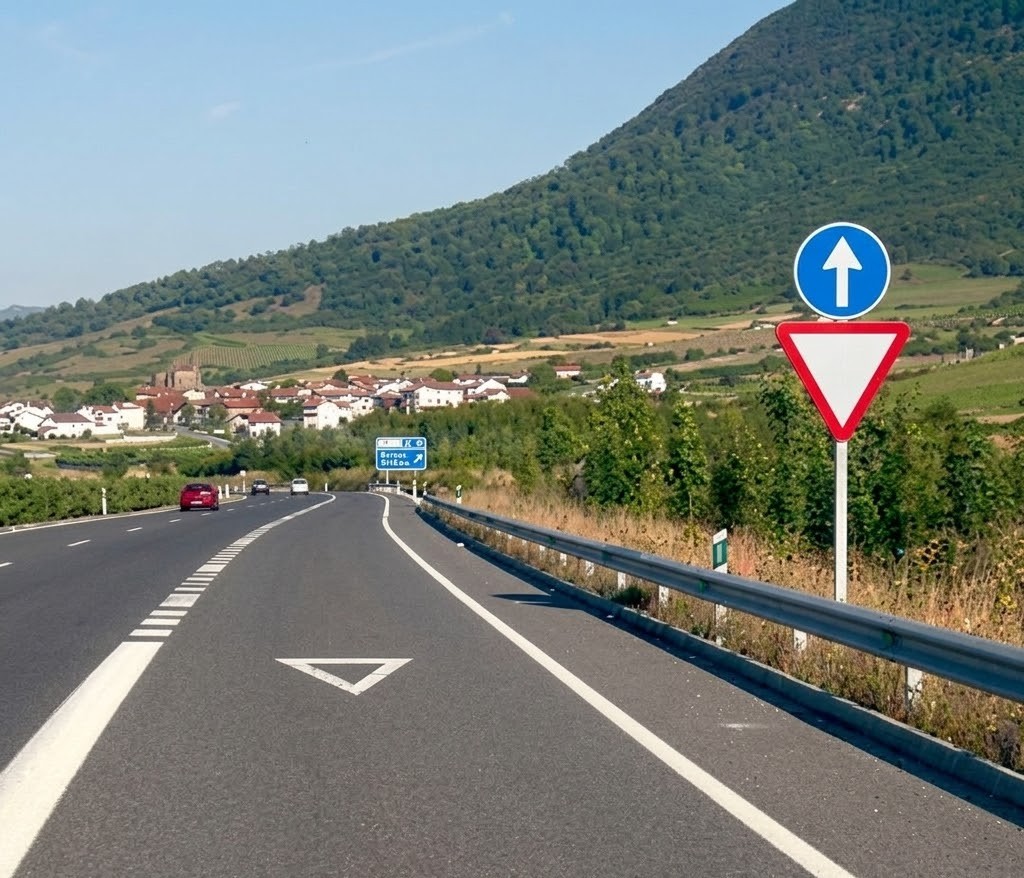
- Use acceleration lanes to adapt to traffic flow, not for stopping.
- Signal the maneuver even when moving straight into traffic.

4.4 Lateral Movements (Lane Changes)
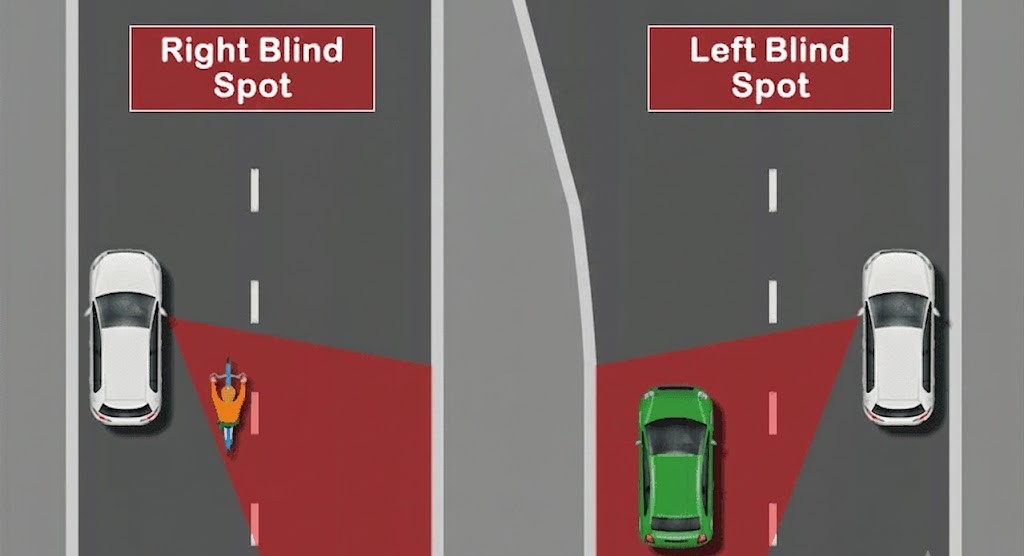
- Check mirrors and blind spots.
- Signal early and clearly.
- Yield to vehicles already in the desired lane.
- Move smoothly and progressively.
4.5 Overtaking
Overtaking is passing another moving vehicle that is travelling at a lower speed.
4.5.1 Not Considered Overtaking
- Dense traffic (slow-moving lanes).
- Vehicles in special lanes (e.g., buses or acceleration lanes).
- Passing stationary vehicles or cyclists in the same group.
4.5.2 Correct Side to Overtake
- Overtake on the left as a general rule.
- Overtake on the right if the vehicle ahead signals left, in multi-lane urban roads, or when overtaking trams moving in the centre of the road.
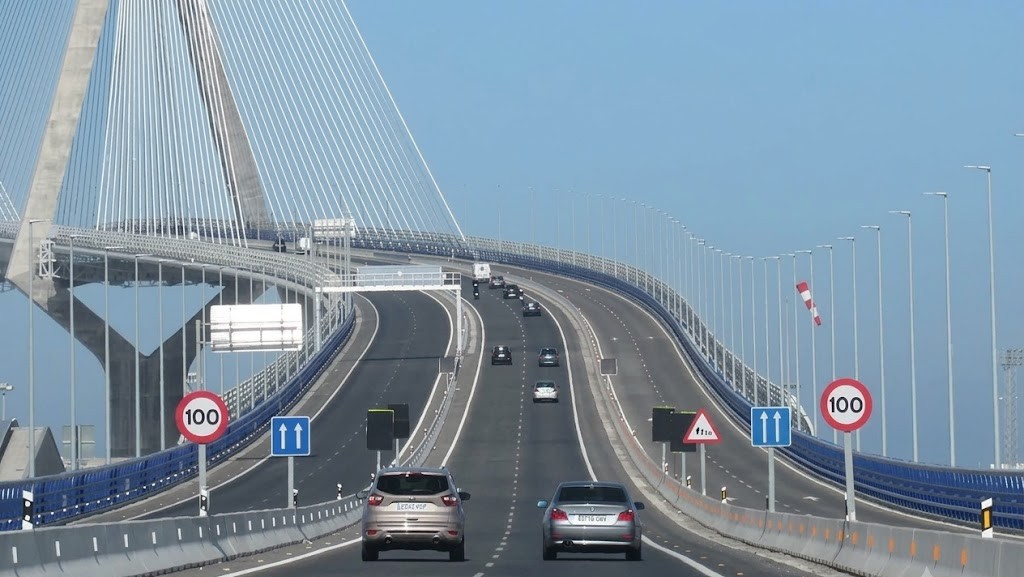
4.5.3 How to Overtake Safely
- Ensure good visibility and space.
- Maintain a clearly higher speed than the overtaken vehicle.
- Keep a lateral distance of at least 1.5 metres when overtaking cyclists, even in cities.
- Return to the lane smoothly without cutting off the overtaken vehicle.
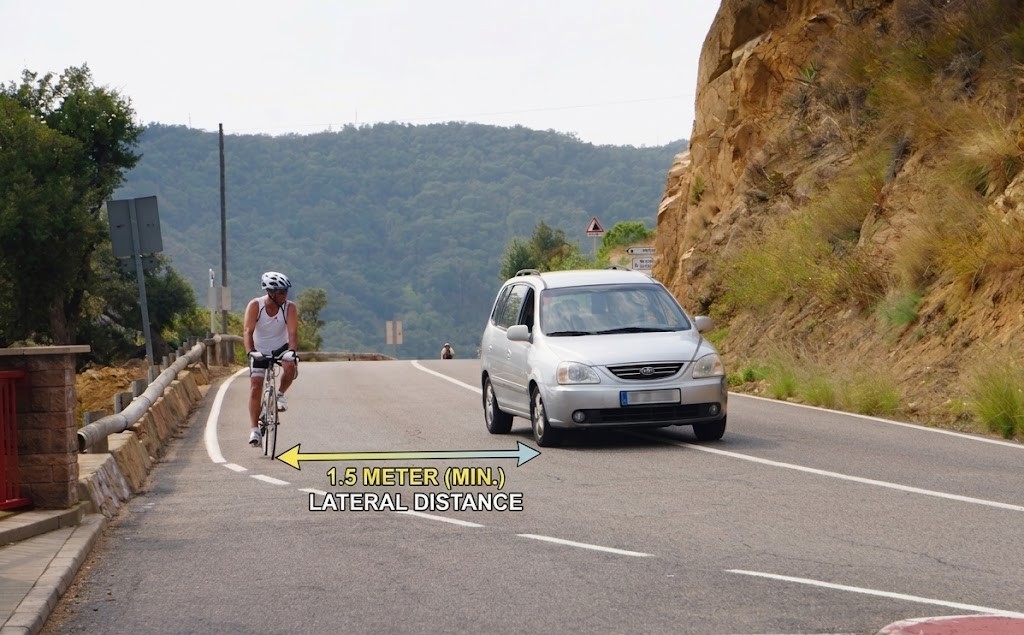
4.5.4 Behaviour When Being Overtaken
- Move as close as safely possible to the right-hand edge.
- Maintain steady speed unless necessary to slow down for safety.
- No signalling is needed when being overtaken unless driving a large/heavy vehicle with special speed limits.
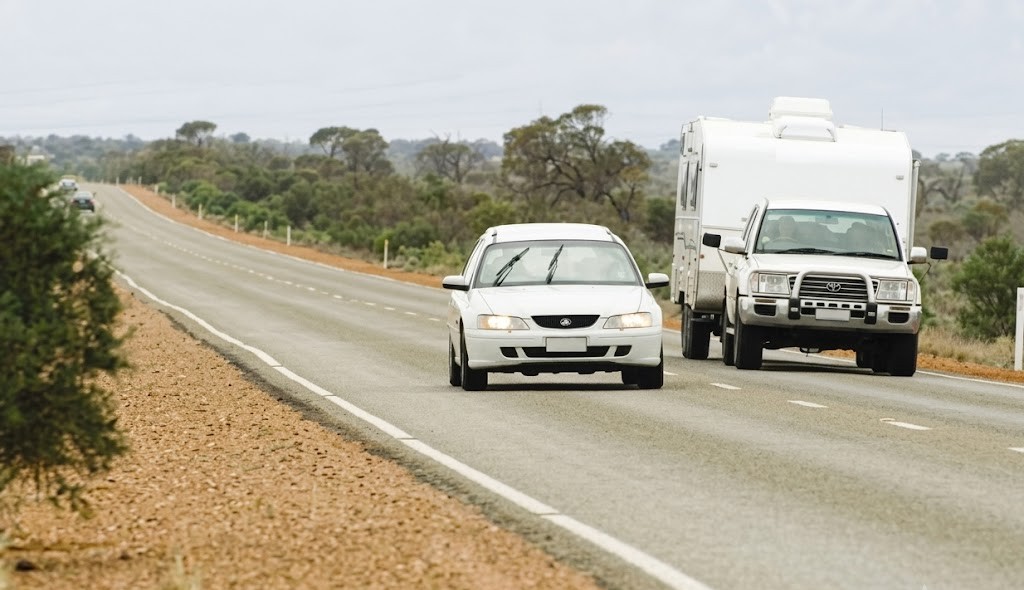
4.5.5 Prohibited Overtaking Locations
- When overtaking would require crossing continuous lines.
- Curves and crests with poor visibility.
- Near pedestrian crossings, intersections, tunnels (with one lane per direction), and railroad crossings - except motorcycles and bicycles at crossings.
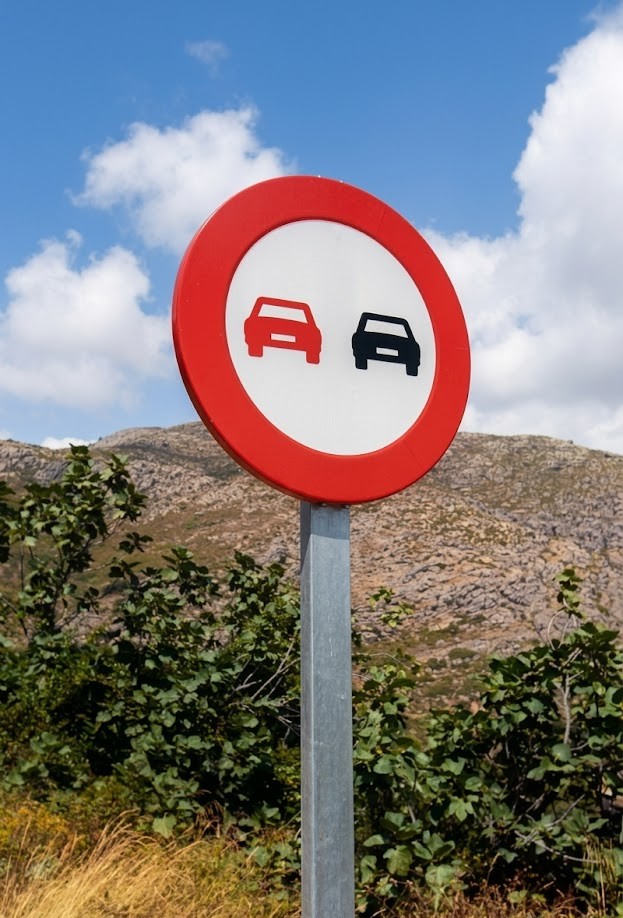
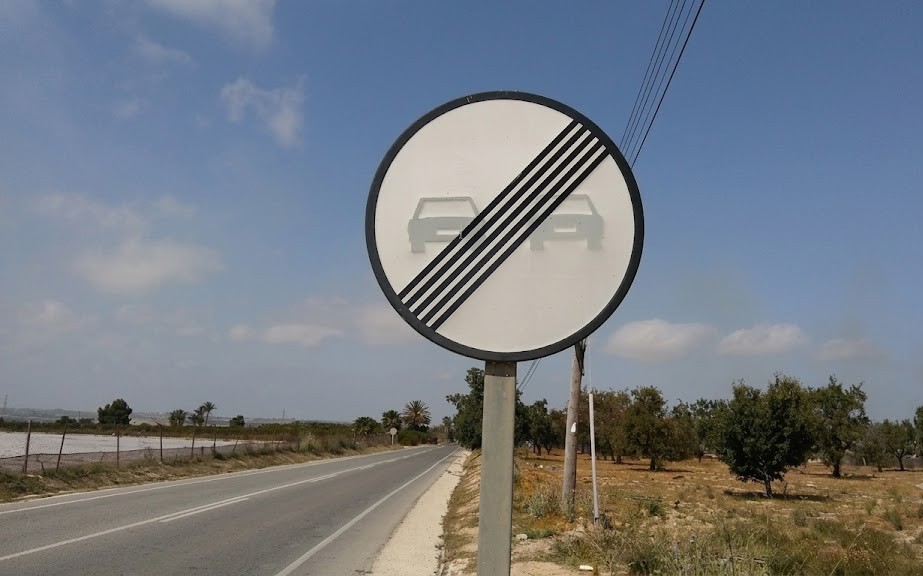
4.5.6 Exceptions to Overtaking Prohibitions
You are allowed to overtake slow vehicles like bicycles, mopeds, pedestrians, and animal-drawn vehicles even where overtaking is generally prohibited, if it can be done safely.
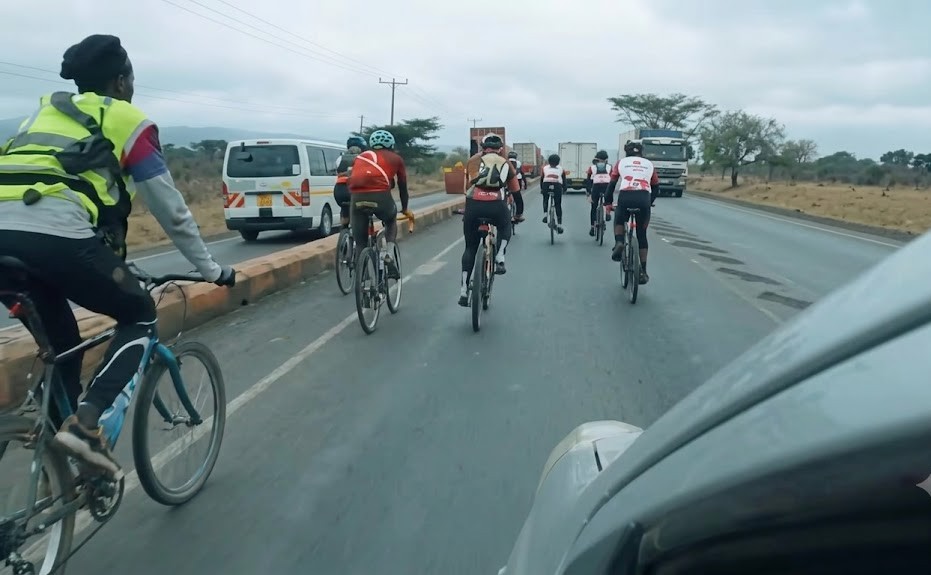
4.6 Changing Direction (Turning)
4.6.1 Turning Right
- Position your vehicle as far to the right as possible.
- Signal clearly and early.
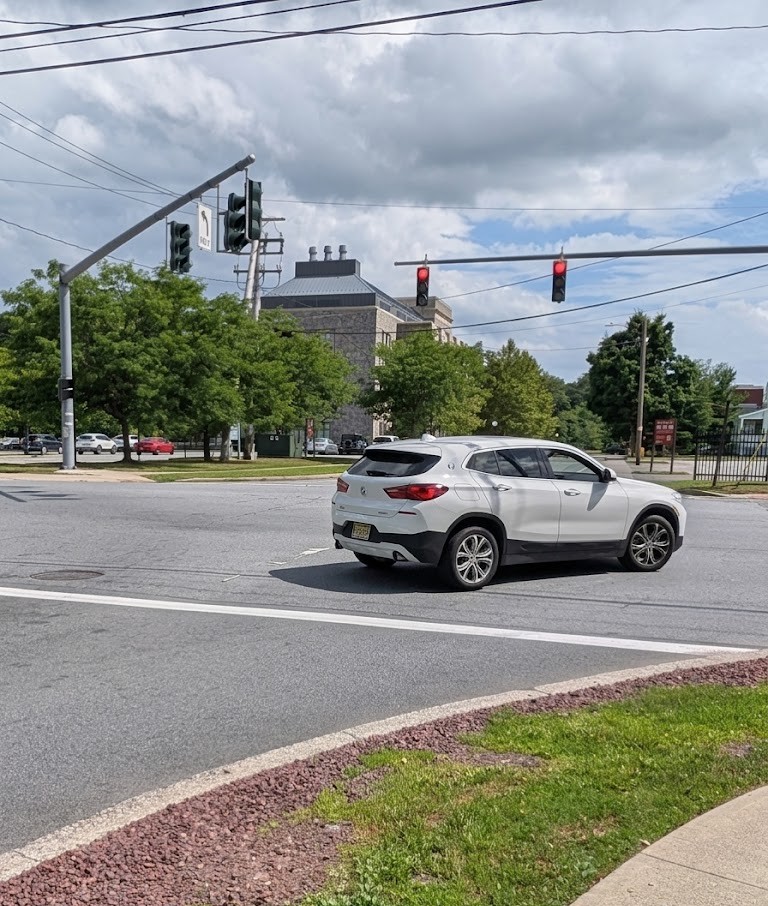
4.6.2 Turning Left
- On single-direction roads: move to the leftmost part.
- On double-direction roads: move close to the centreline.
- Yield to oncoming traffic unless otherwise indicated.
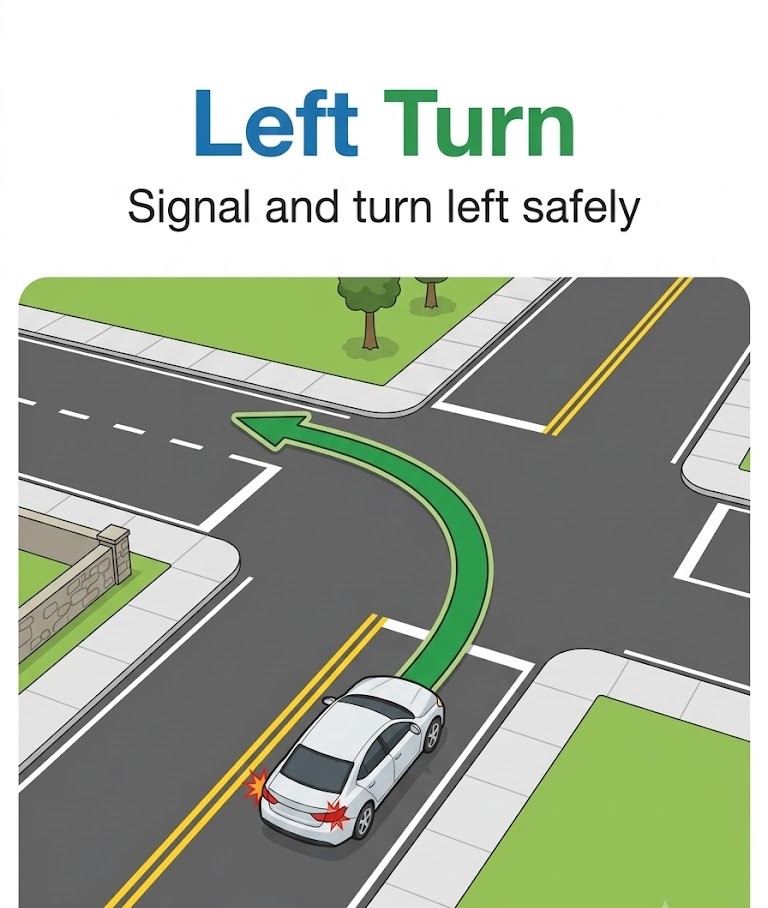
4.6.3 Prohibited Turns
- Where vertical signs or road markings forbid it.
- Where visibility is insufficient for a safe turn.
4.7 Changing Direction of Travel (U-Turns)
U-turns should be made:
- Only when safe and not disrupting traffic flow.
- In places with good visibility, away from intersections unless expressly permitted.
- Using roundabouts or special designated areas when available.
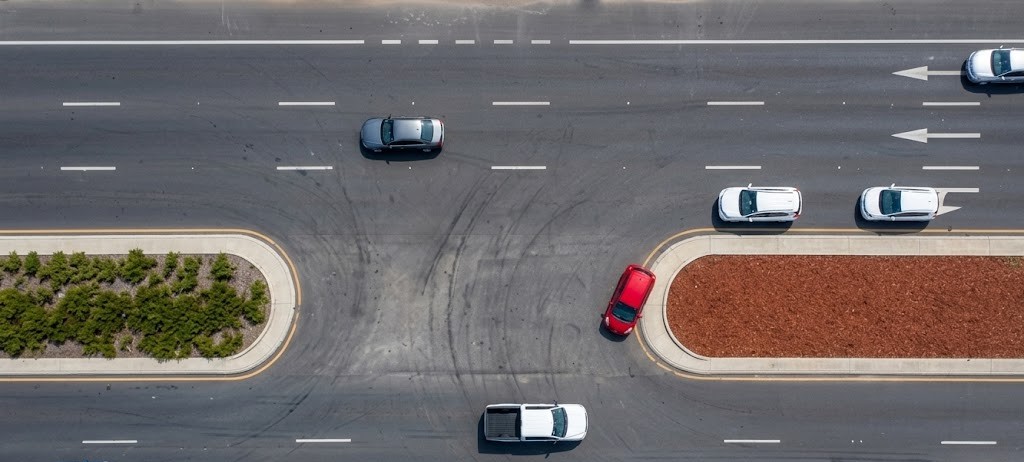
4.8 Stops and Parking
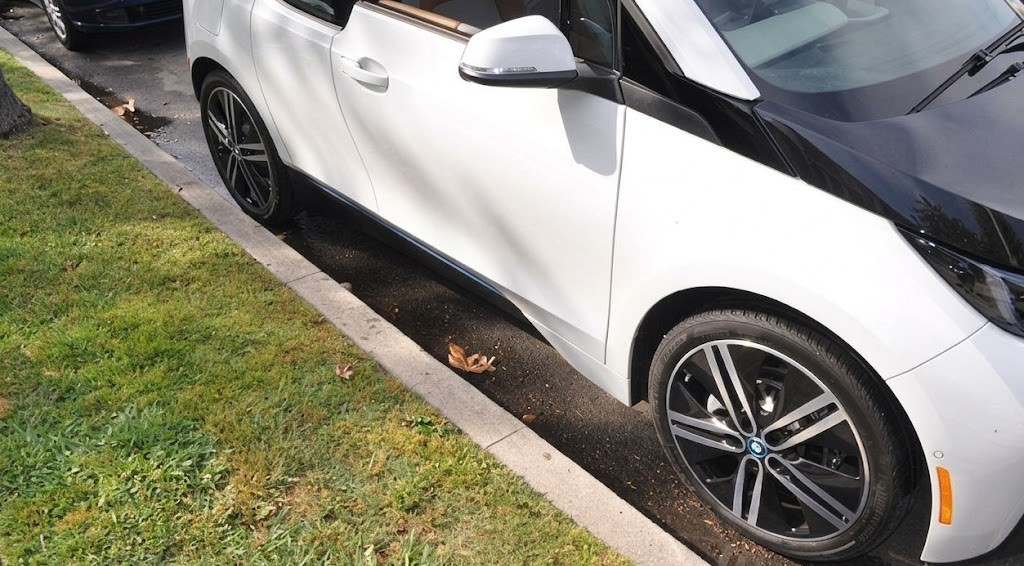
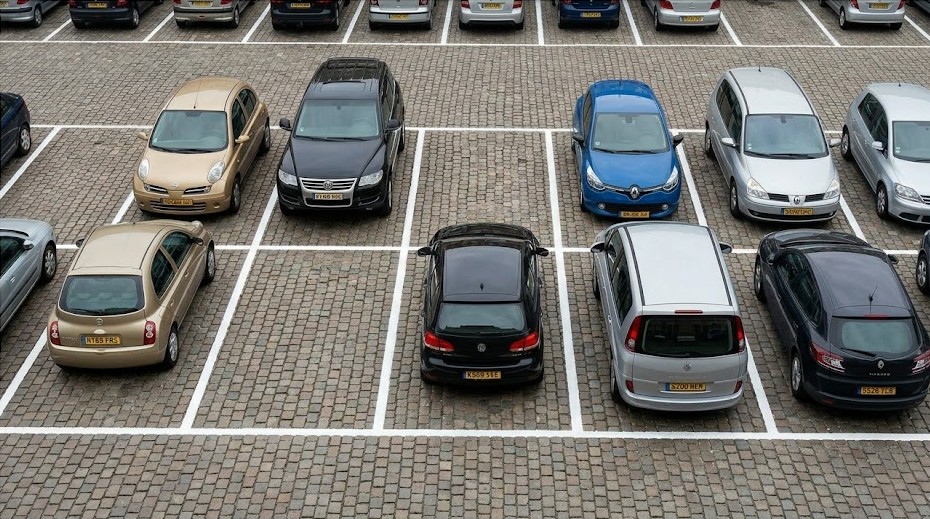
4.9 Reversing
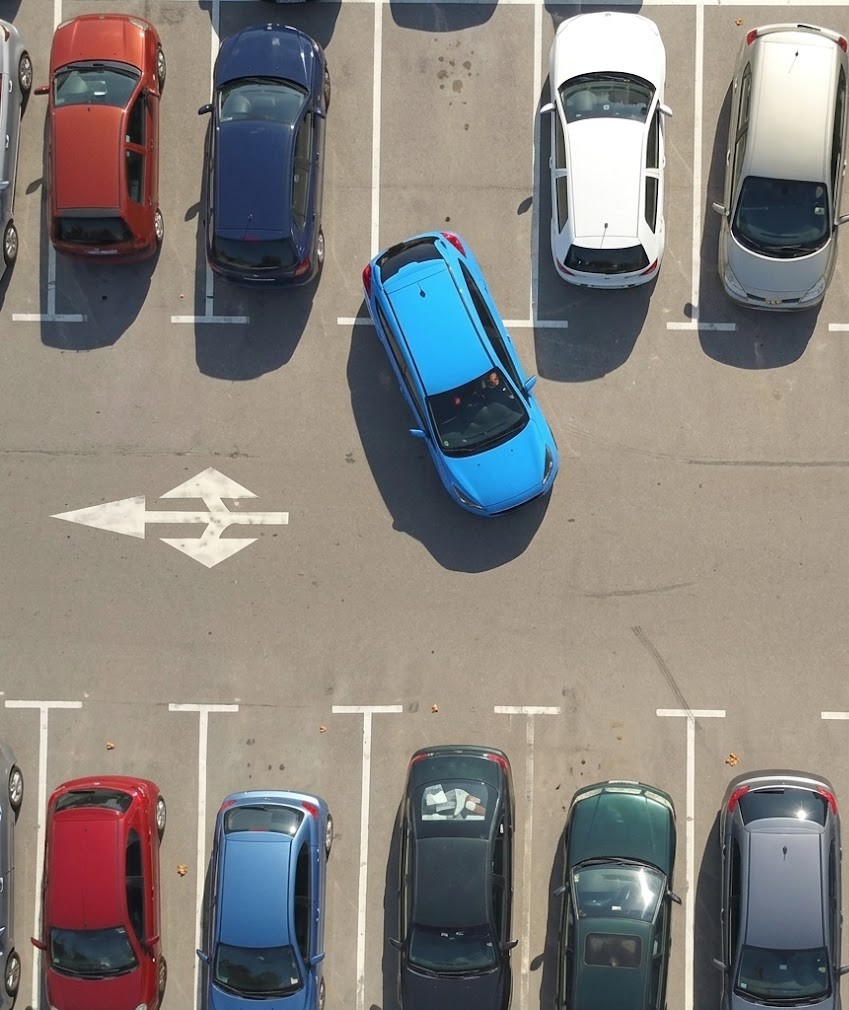
Reversing is allowed when:
- Necessary to complete another maneuver (parking, joining traffic).
- Limited to the minimum necessary distance (no more than 15 metres or crossing intersections).
- Safety checks are made before and during the maneuver.
Ready to test your knowledge?
Practice questions covering everything in Chapter 4 - Maneuvers.Last updated: 2026-06-27
Practice the questions for this chapter
The theory is free to read. Create a free account to practice official-format questions and track your progress.