Chapter 3 - Speed
Driving at the correct speed is one of the most important aspects of road safety. Speed influences not only the probability of an accident occurring but also the severity of its consequences. This chapter covers general and specific speed limits, how to adjust speed to circumstances, and the key principles every driver must follow.
3.1 Importance of Speed Control
Driving at an appropriate speed allows:
- Maintaining full control of the vehicle.
- Reacting in time to unforeseen events.
- Reducing stopping distances.
- Minimising the severity of accidents.
3.2 General Speed Limits
In Spain, general speed limits apply when there are no specific traffic signs indicating otherwise. These limits are set based on the type of road and the type of vehicle.
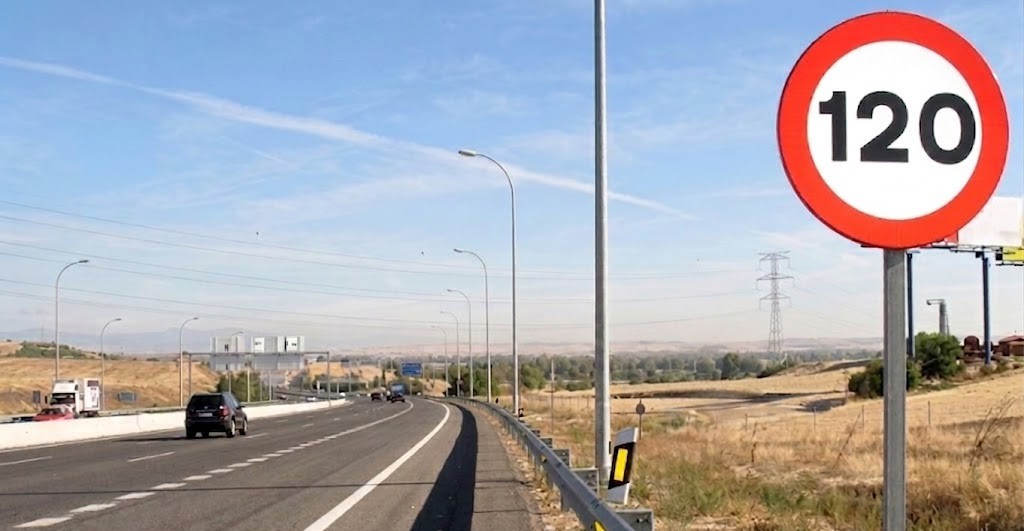
3.2.1 Motorways and Dual Carriageways
| Vehicle | Maximum speed |
|---|---|
| Passenger cars and motorcycles | 120 km/h |
| Buses and vans | 100 km/h |
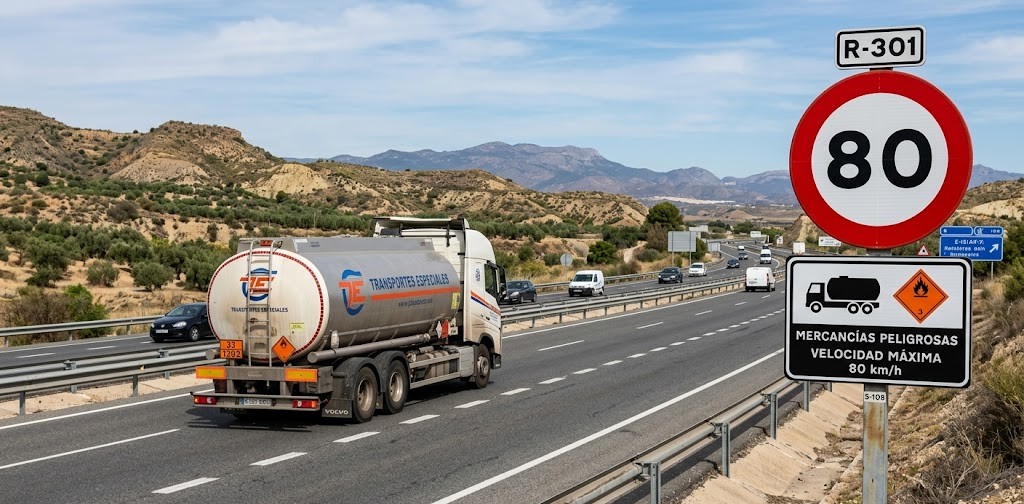
| Trucks, vehicles with trailers, special vehicles | 90 km/h |
3.2.2 Conventional Roads
| Vehicle | Maximum speed |
|---|---|
| Passenger cars and motorcycles | 90 km/h |
| Buses, vans, trucks, vehicles with trailers | 80 km/h |
3.2.3 Urban Roads
| Road type | Limit |
|---|---|
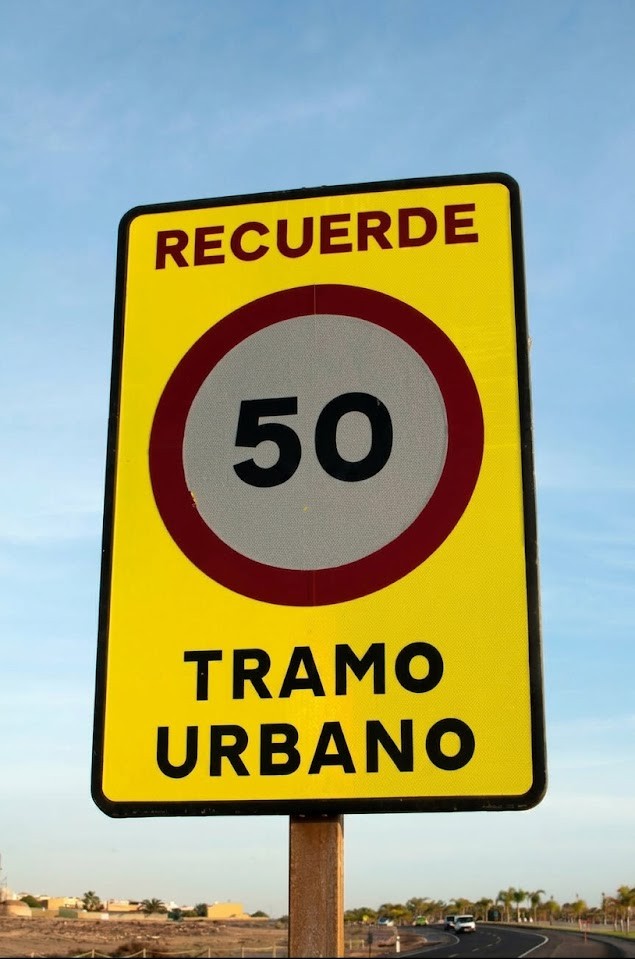
| Two or more lanes per direction | 50 km/h |
| Single-lane roads per direction | 30 km/h |
| Roads shared with pedestrians | 20 km/h |
3.3 Specific Speed Limits for Certain Vehicles and Situations
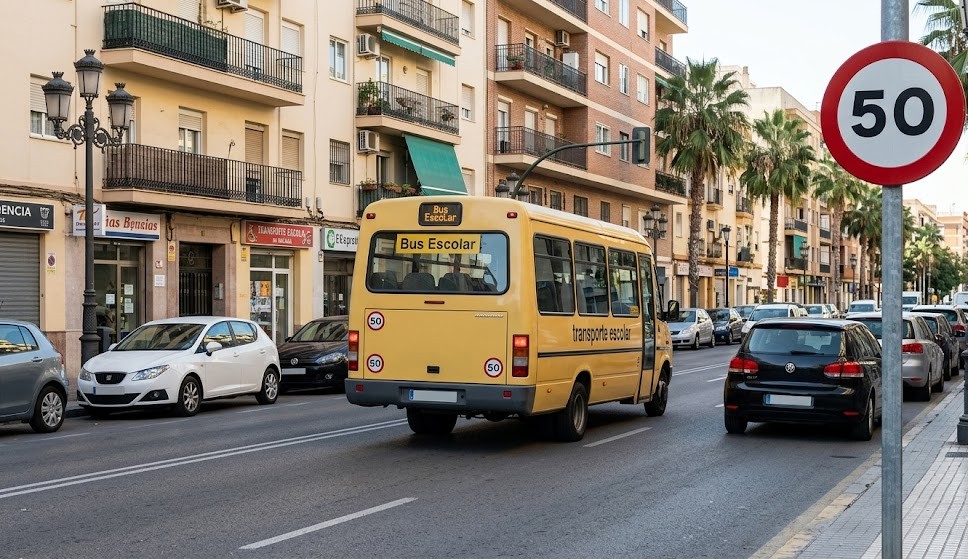
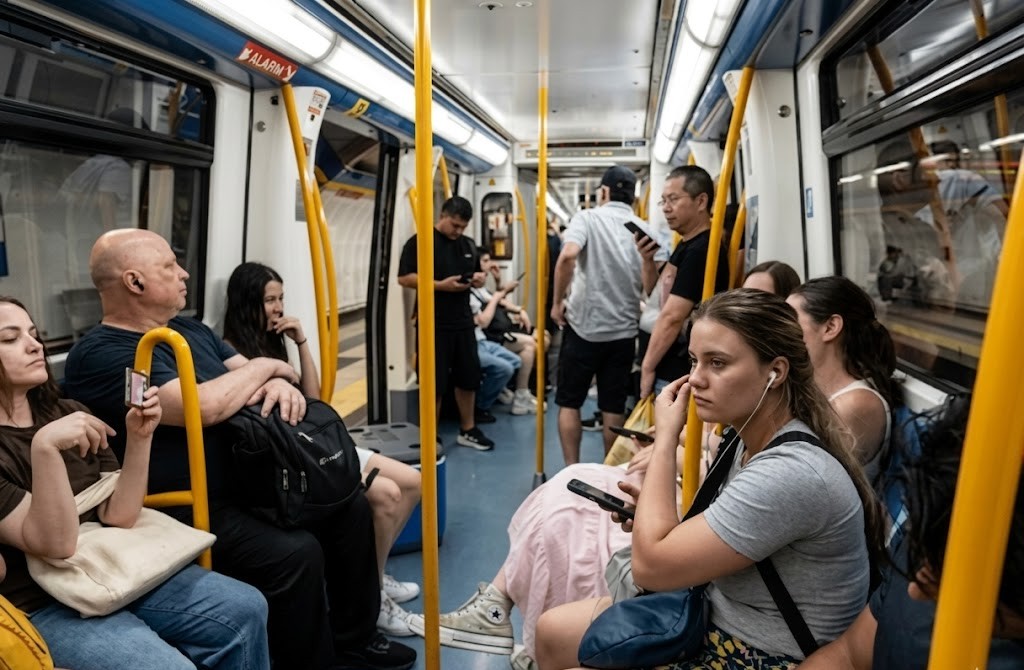
3.4 Types of Speed
It is very important to drive at an appropriate speed to avoid hazards and traffic accidents.
3.4.1 Maximum Speed
The highest speed a vehicle is allowed to reach on the road it's using. When a vehicle travels faster than the permitted maximum, it is speeding. For example, driving at 100 km/h on a road where the maximum permitted speed is 90 km/h is considered speeding.
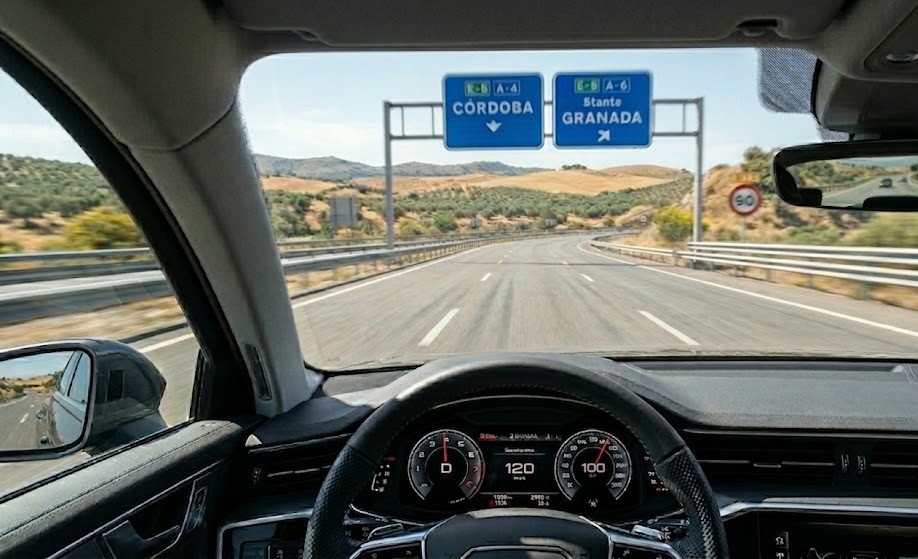
3.4.2 Minimum Speeds
Driving too slowly can be as dangerous as speeding because it disrupts traffic flow and increases the risk of accidents.
General minimum speeds:
- Motorways and dual carriageways: minimum speed of 60 km/h.
- Other roads: at least half the general maximum speed for the type of vehicle.
Drivers must maintain these minimum speeds unless conditions make it impossible or unsafe (heavy traffic, adverse weather, mechanical problems, etc.).
3.4.3 Appropriate Speed
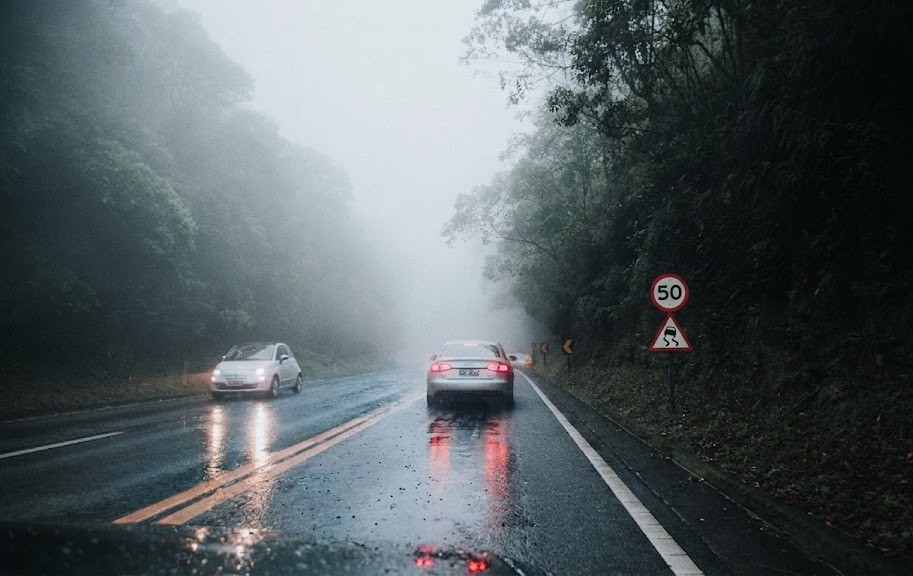
A speed that is within the legal limits and suitable for the weather, road conditions, the vehicle's situation, and the driver's state. Driving at an appropriate speed allows better control of the vehicle when something unexpected happens. The likelihood of fatalities in a traffic crash is higher when a vehicle is travelling at excessive speed than when it is moving at an appropriate speed.
Appropriate speed according to conditions - regardless of posted speed limits, drivers must always adjust their speed to:
- The condition and characteristics of the road (wet, icy, poorly maintained).
- Traffic density and flow.
- Weather conditions (fog, rain, snow, wind).
- Visibility (daytime, nighttime, glare).
- The technical condition and load of the vehicle.
3.4.4 Inappropriate Speed
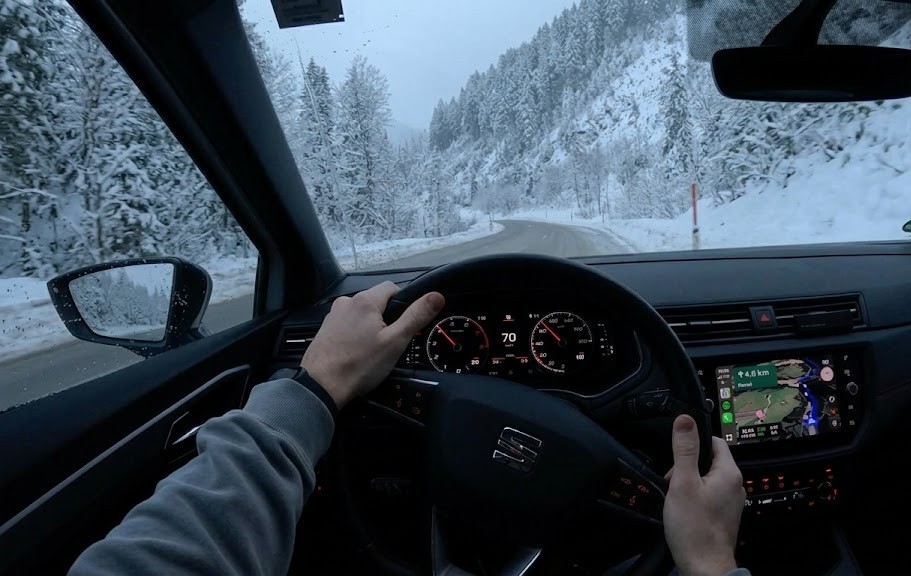
A speed that is within the legal limits but unsuitable due to the driver's condition, the weather, the state of the road, or the vehicle's circumstances. For example, driving at 70 km/h on a road with patches of ice, where the vehicle could skid, would be an inappropriate speed. That speed would be appropriate under normal conditions, but here it is excessive because there is ice on the road.
3.4.5 Generic Speed
The speed limit that each type of vehicle must observe on each category of road. There are generic maximum and minimum speeds.
3.5 Minimum Speed Limits In and Outside Towns and Cities
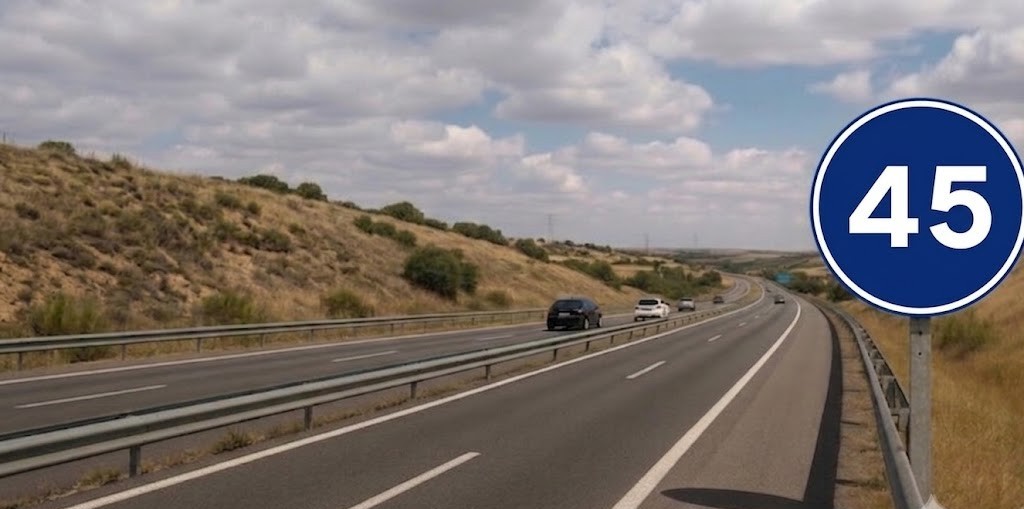
On motorways and dual carriageways, the minimum permitted speed is 60 km/h. On other roads, the minimum depends on the type of vehicle. For example, if a road's maximum speed for a car is 90 km/h, the minimum permitted speed is 45 km/h. Driving below the minimum is prohibited, even if the road is empty.
- When there is heavy traffic, your vehicle has a breakdown, or the road is in poor condition.
- When the vehicle is a bicycle, animal-drawn, or a special vehicle.
3.6 Situations Requiring Speed Reduction
There are specific situations where drivers must significantly reduce their speed, even if the posted limit allows higher speeds:
- Approaching and crossing pedestrian crossings.
- Passing near children, elderly people, or people with disabilities.
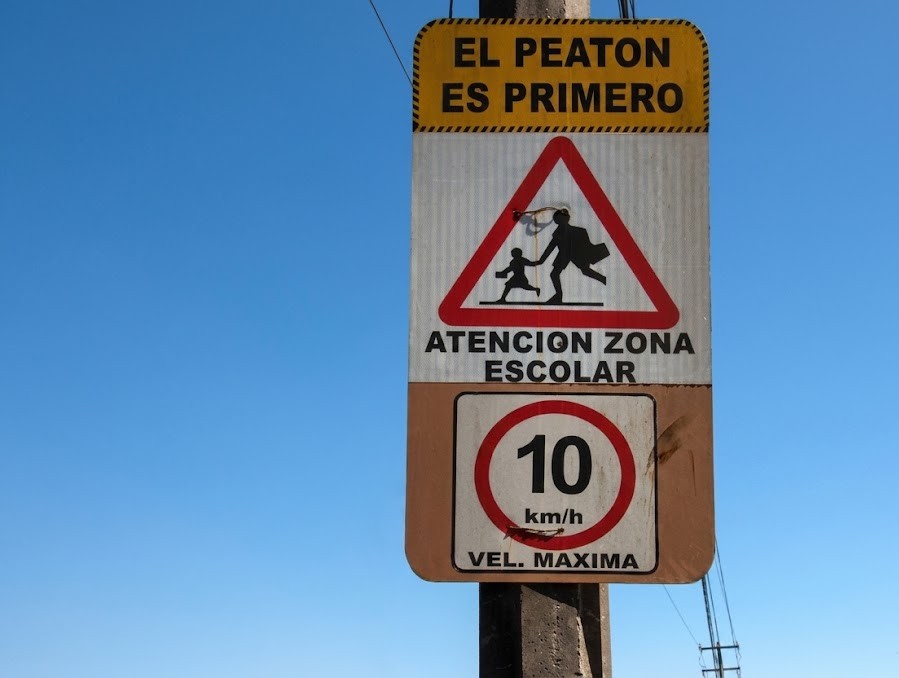
- Driving near schools, parks, or playgrounds.
- In narrow streets or areas with limited visibility.
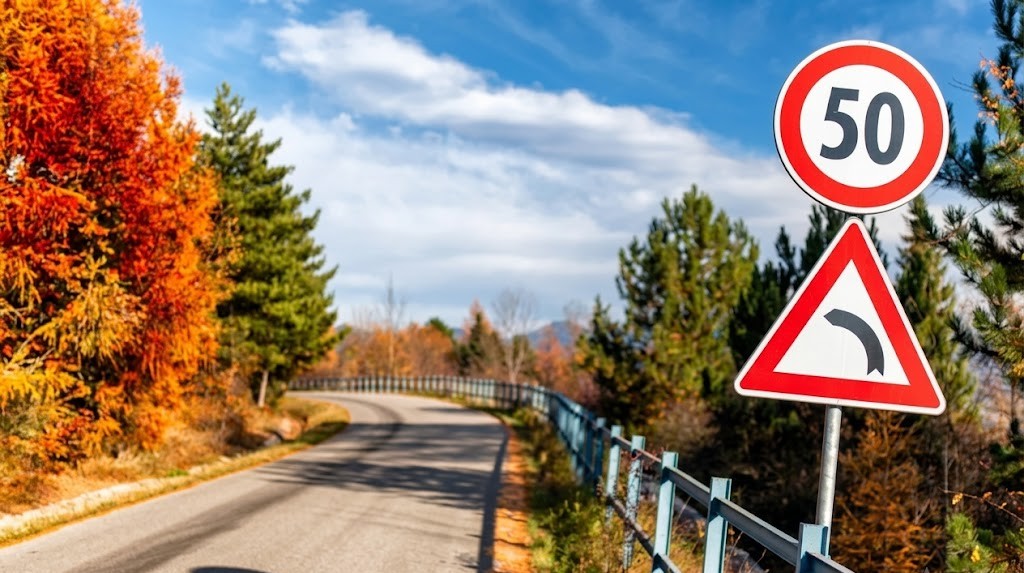
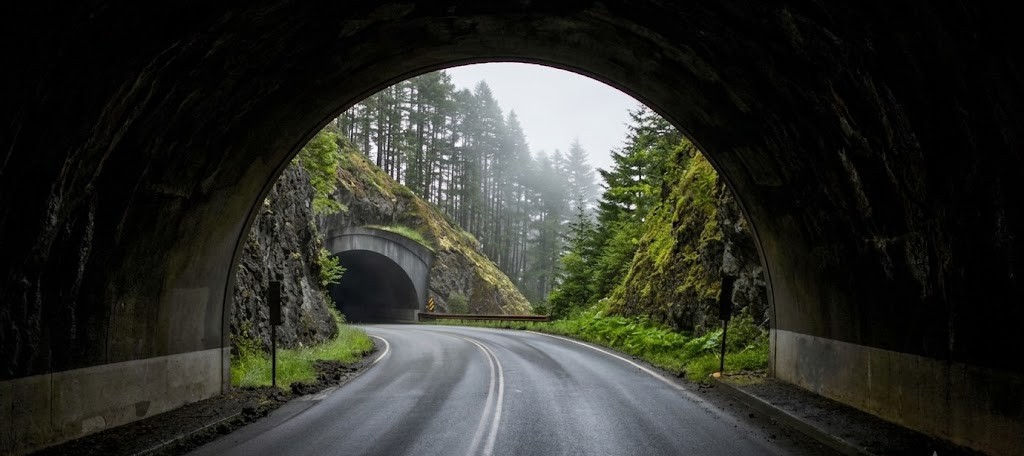
- In sharp curves, crests, tunnels, or level crossings.
- When animals are present on or near the road.
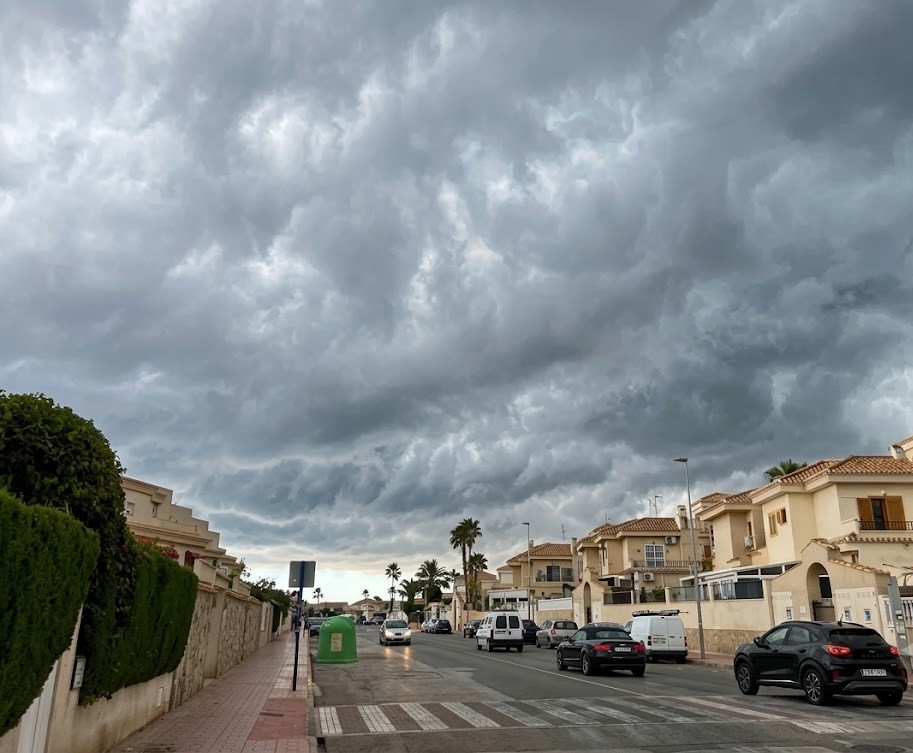
- In adverse weather conditions (heavy rain, dense fog, snowfall).
- When being dazzled by sunlight or headlights from oncoming vehicles.
- Approaching buses that have stopped for passenger loading/unloading, especially school buses.

3.7 Signalling Speed Reductions
When a driver needs to reduce speed significantly:
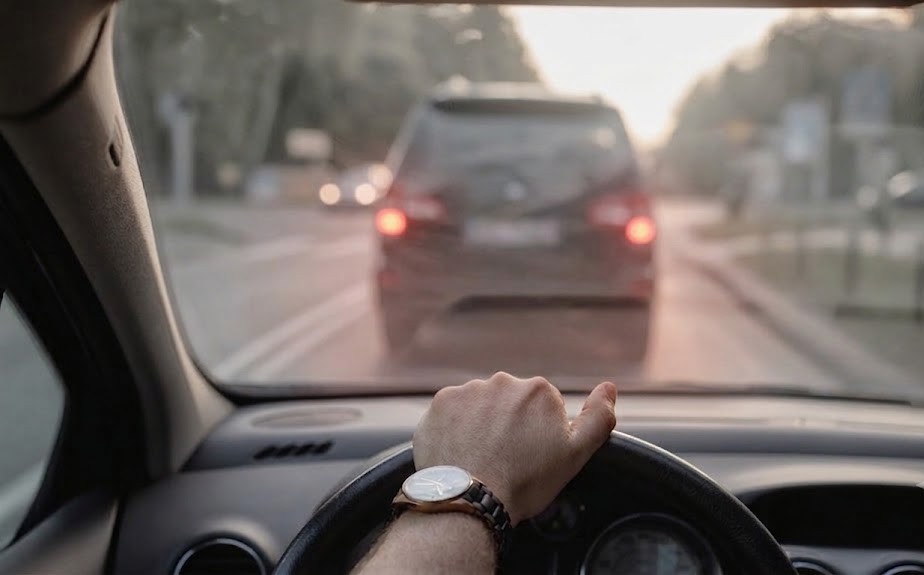
- The brake pedal should be lightly pressed to activate the brake lights, warning following drivers.
- Hazard warning lights may be used if necessary to alert others of a sudden hazard.
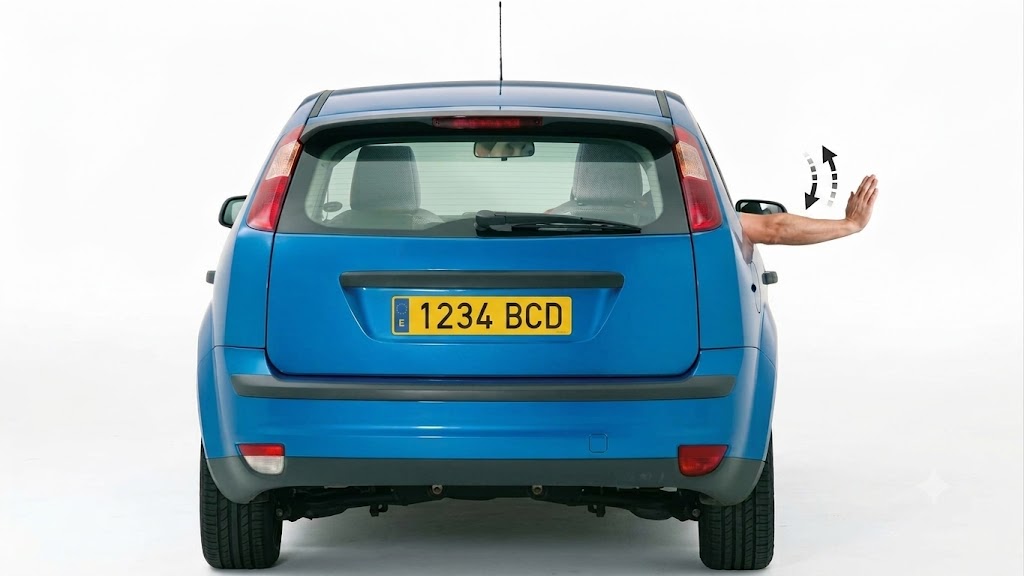
- If brake lights are not functioning, arm signals (moving the arm up and down) must be used.
3.8 Stopping Distances
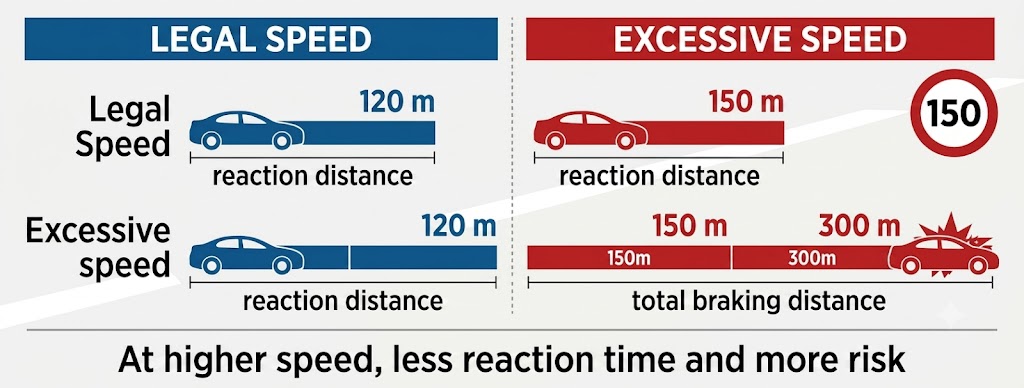
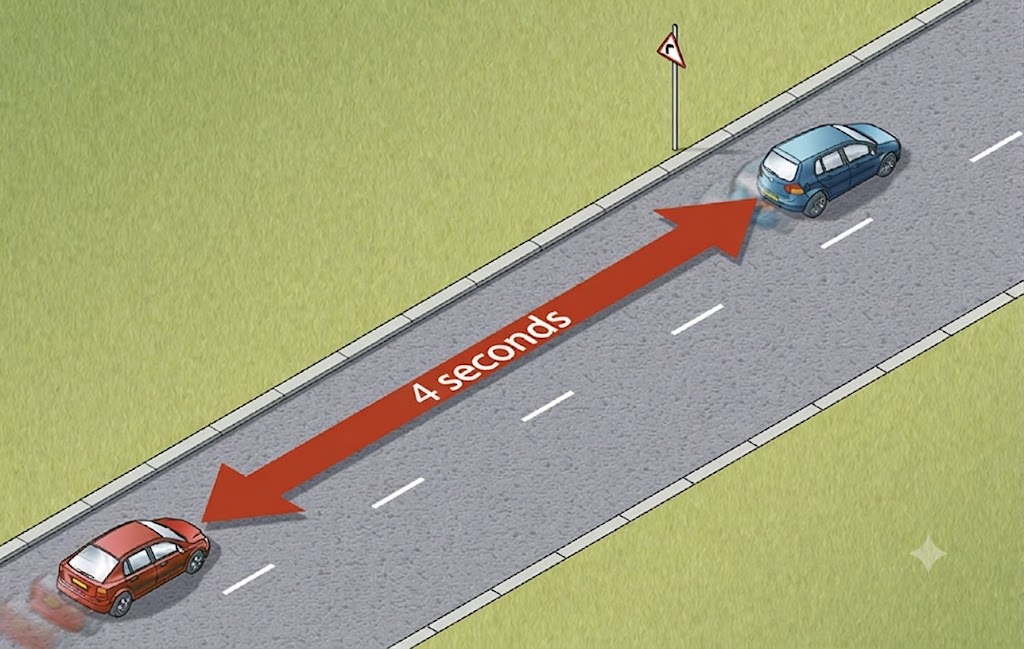
Stopping distance is the total distance a vehicle travels from the moment the driver perceives a danger until the vehicle comes to a complete stop.
3.8.1 Reaction Distance
The distance you travel from the moment you detect something unexpected - like an obstacle, a sign, or a noise - until you can react to it. For example, the time that passes from when you see a red traffic light until you press the brake. A typical reaction time to an unexpected event is about 0.75 seconds to almost one second. However, this depends on a person's reflexes, physical and mental condition (fatigue, alcohol, distraction), and the surrounding environment.
3.8.2 Braking Distance
The distance travelled from the moment braking begins until the vehicle stops. It depends on:
- Initial speed.
- Road surface condition (dry, wet, icy).
- Tyre condition.
- Vehicle weight and load.
3.10 Risks of Excessive Speed
Exceeding speed limits or driving at inappropriate speeds significantly increases the risk of accidents. Common risks include:
- Longer stopping distances.
- Reduced time to react to unexpected events.
- Greater force of impact in a collision.
- Increased likelihood of losing control of the vehicle.
- Difficulty in negotiating curves safely.
- More severe injuries and fatalities.
3.11 Why Are Speed Limits Necessary?
Speed limits are set so that all vehicles can travel safely and in a simple, comfortable way. One of the key factors used to determine a limit is the type and condition of the road - i.e., the highest speed at which it is safe to drive on that road.
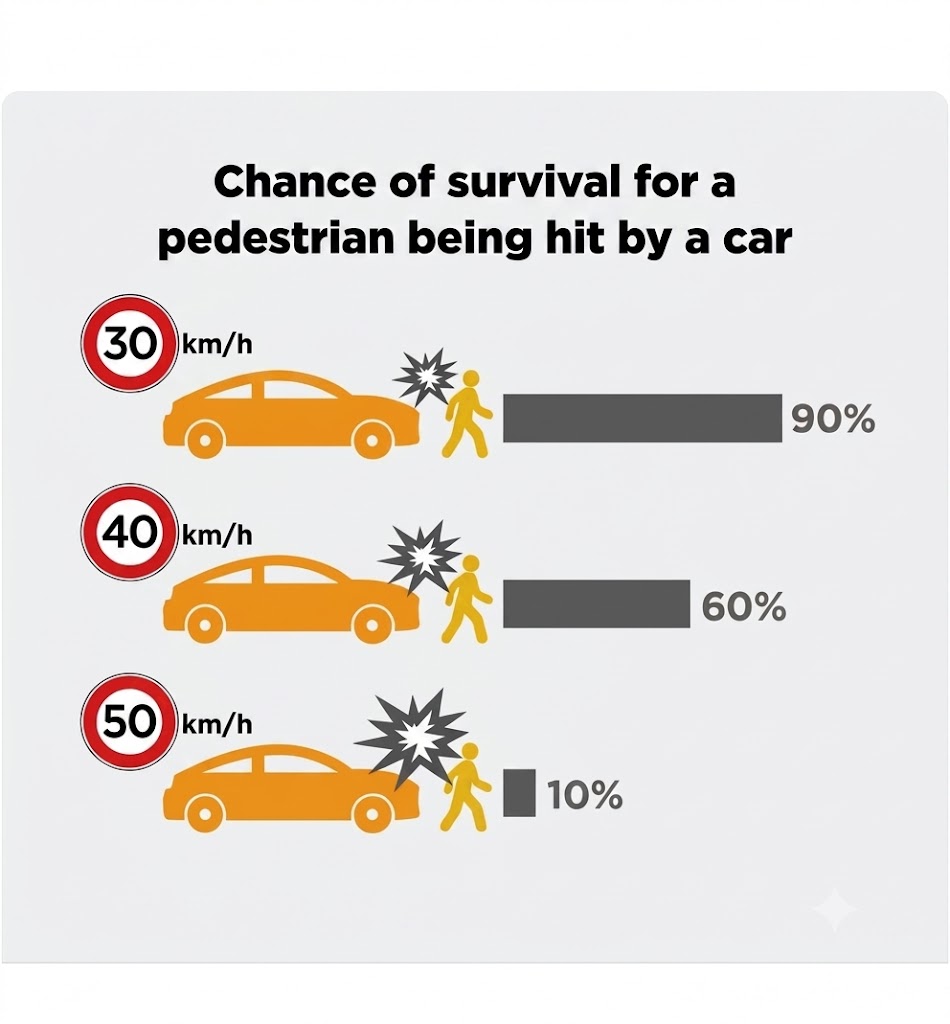
- In towns and cities you must drive below 50 km/h. If a pedestrian is struck, their chances of survival are much higher when the vehicle is travelling at a lower speed.
- On roads that are not motorways or dual carriageways, you must not drive faster than 90 km/h so that any accidents are less severe.
- On motorways and dual carriageways, the chances of surviving a crash are higher when the vehicle is travelling below 120 km/h.
What can happen if I drive too fast
- It becomes harder to react to the unexpected. This leads to more mistakes that can cost lives.
- Your ability to see what's happening to the sides decreases - called "tunnel vision," because you mainly see what's directly ahead, as if inside a tunnel.
- Driving fast for long periods can lead to fatigue and increased aggression because you're driving under greater tension.
- Travelling at very high speed on a well-maintained road can make you feel you're going slower than you actually are.
3.12 Penalties for Speeding
Speeding can result in administrative and criminal penalties, including:
- Monetary fines.
- Loss of driving licence points.
- Suspension of the driving licence.
- Criminal charges if excessive speeding results in serious danger to life.
3.13 Conclusion
Understanding and respecting speed limits is fundamental to ensuring safe and responsible driving. Remember:
- Always adapt your speed to the conditions.
- Respect minimum and maximum speed limits.
- Slow down when conditions or road users require it.
Ready to test your knowledge?
Practice questions covering everything in Chapter 3 - Speed.Last updated: 2026-06-27
Practice the questions for this chapter
The theory is free to read. Create a free account to practice official-format questions and track your progress.