1.1Basic Definitions
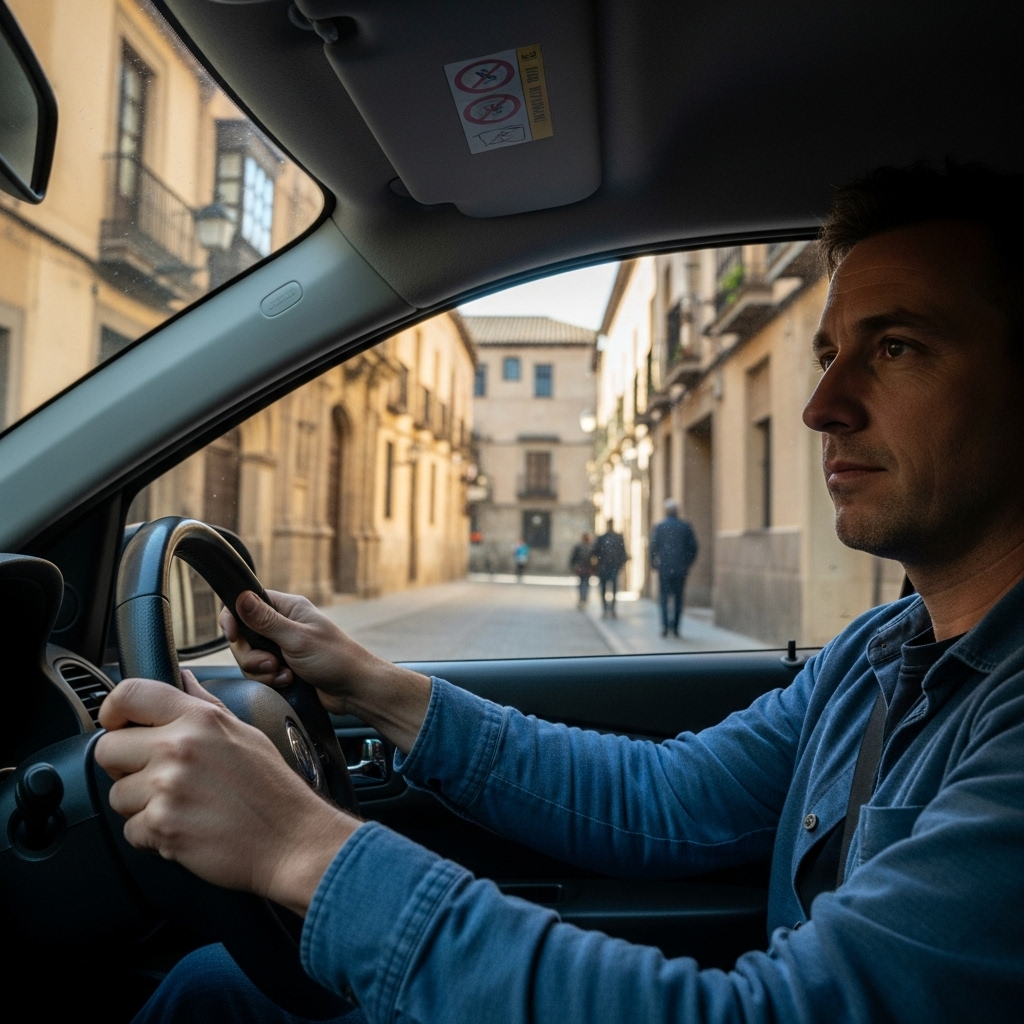
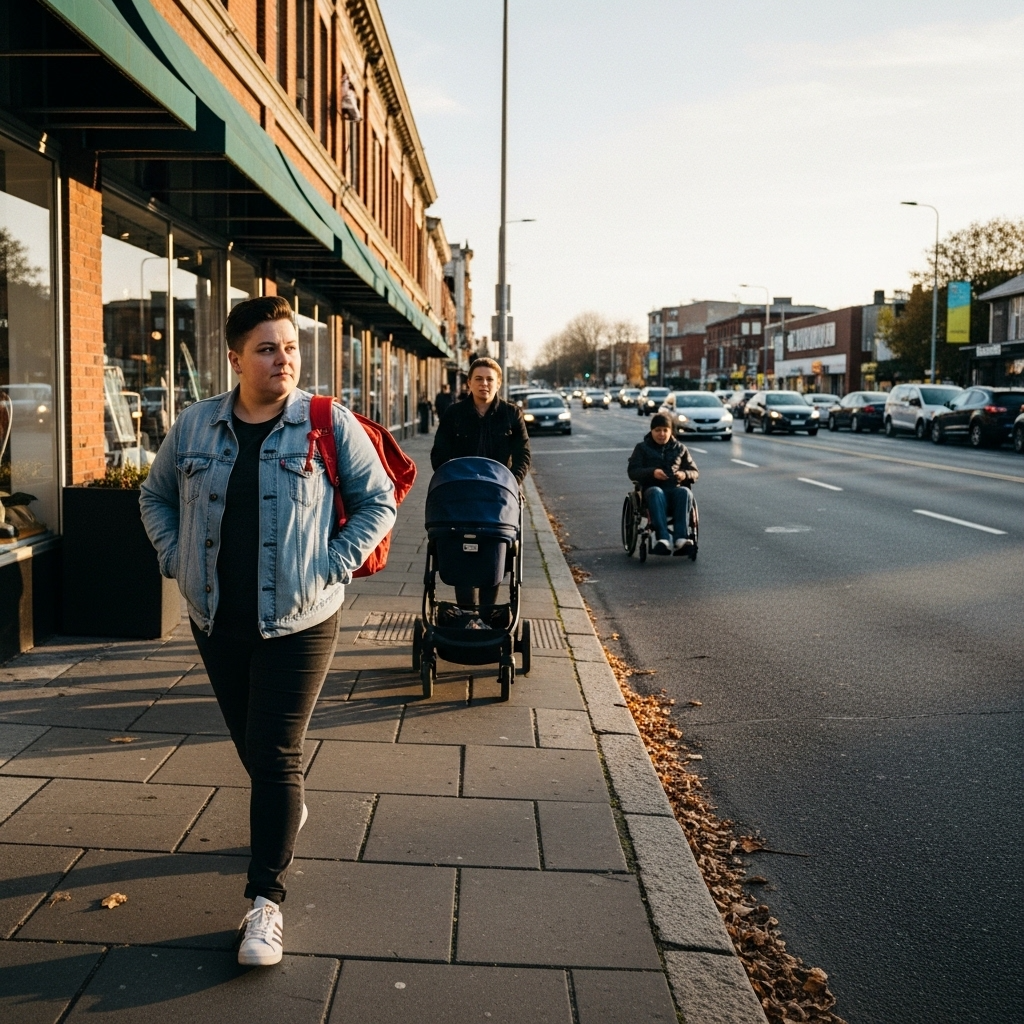
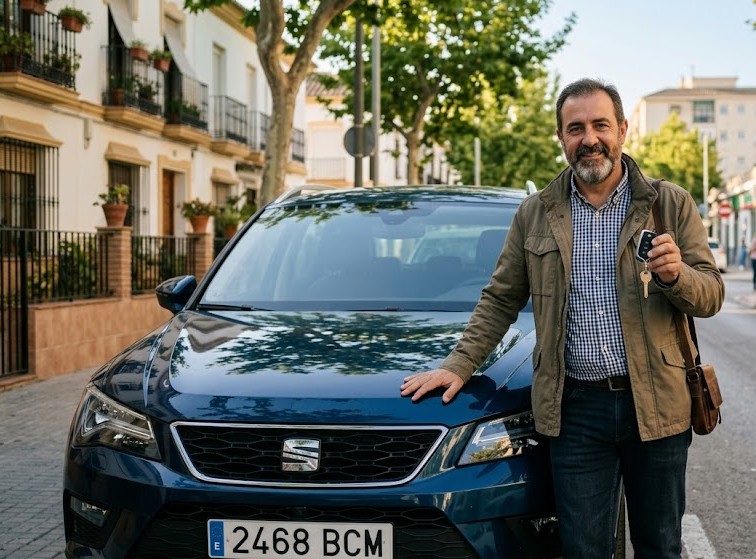
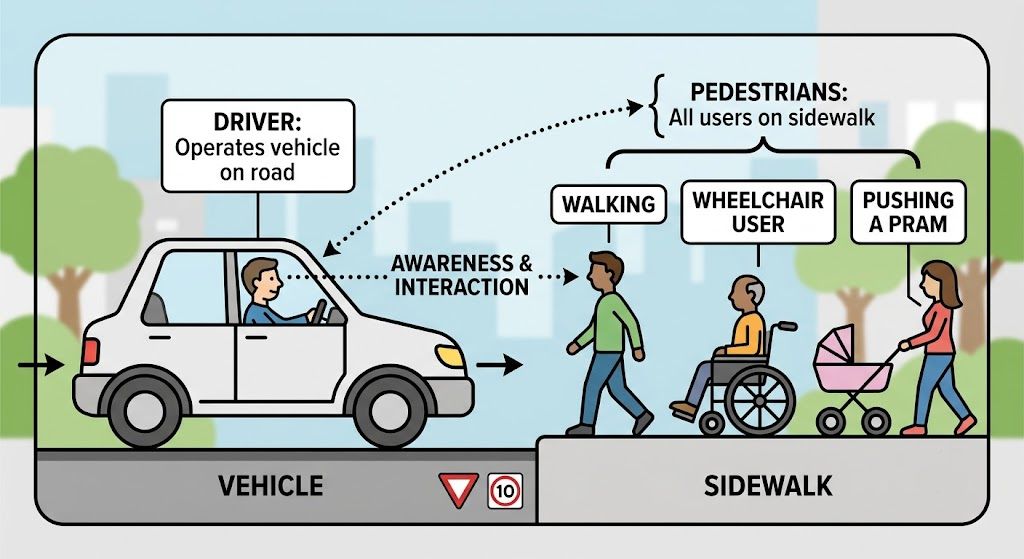
Start with the people and roles involved in road use. These terms come up throughout the manual.
1.2Introduction to Vehicle Types
Understanding vehicle types isn't just for the exam - it makes you a safer, more knowledgeable driver. Vehicles vary widely in design, purpose, size, and the legal requirements for using them on the road.
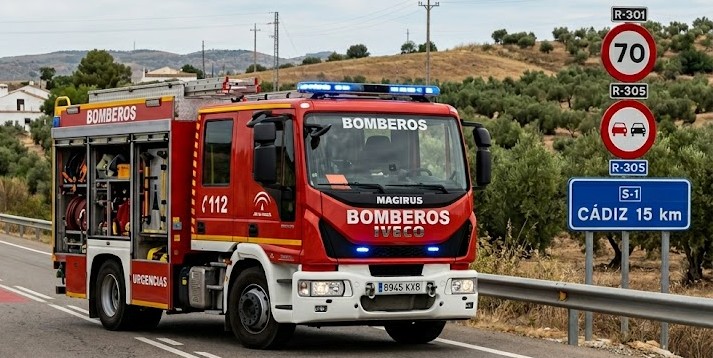
1.3Classification of Vehicles
Vehicles are categorised by propulsion, construction, and intended use. The official "use" categories are the most important to memorise.
Categories by use (M · N · O)
| Category | Designed to transport | Examples |
|---|---|---|
| M | People and their luggage | Cars, buses |
| N | Goods | Vans, trucks |
| O | People or goods - trailers | Trailers |
Non-motor vehicles
Cycle
- Manually powered vehicle with at least two wheels, moved by pedals or cranks.
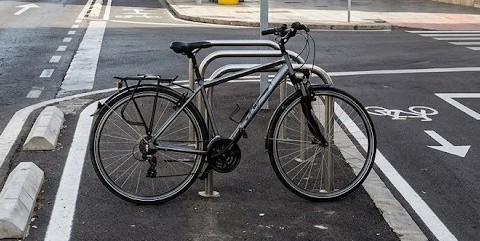
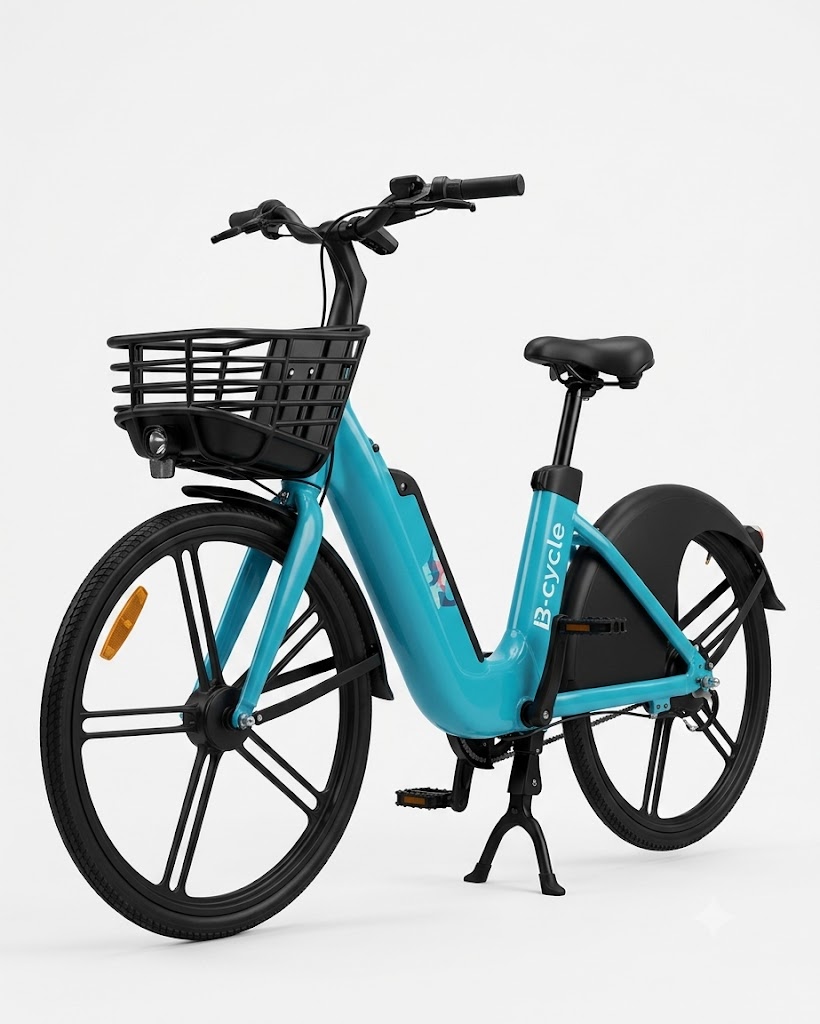
Bicycle
- The most common cycle - two wheels.
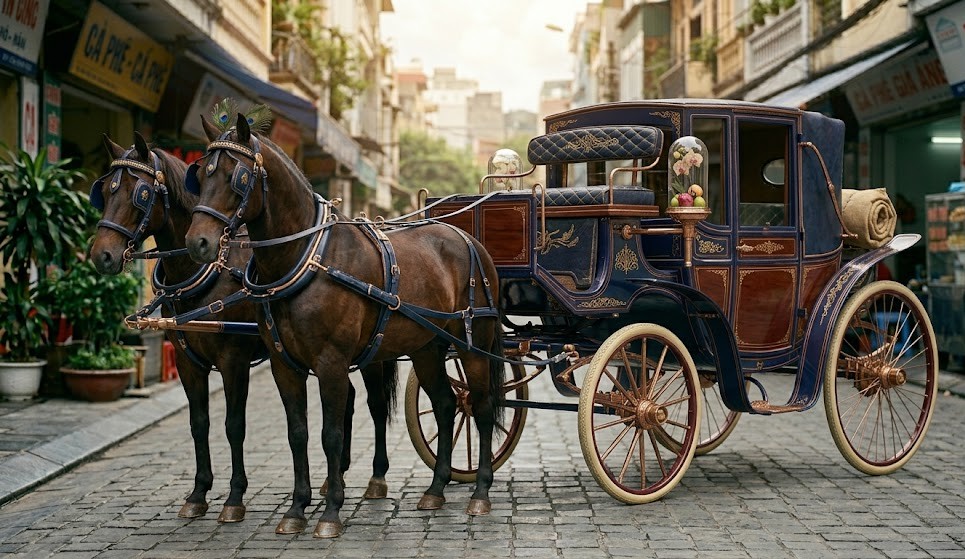
Animal-traction vehicle
- Carts or carriages pulled by animals such as horses or oxen.
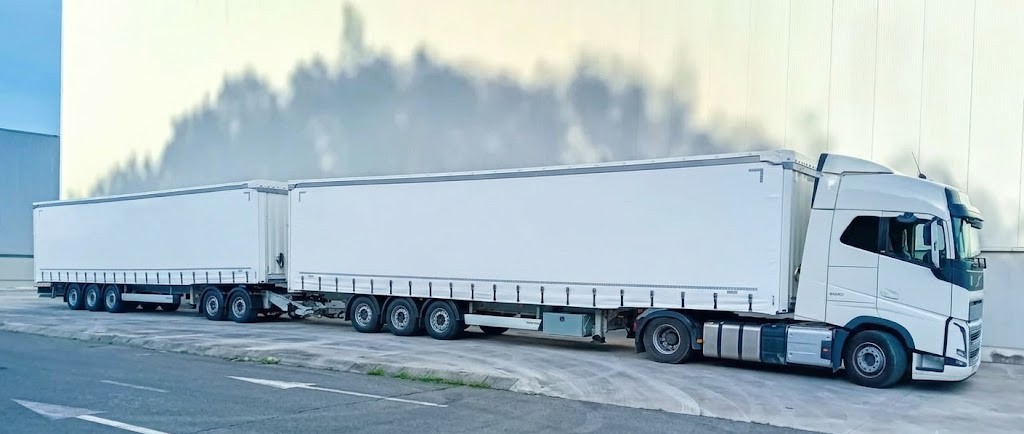
Trailer
- Designed to be pulled by a motor vehicle, used to transport goods.
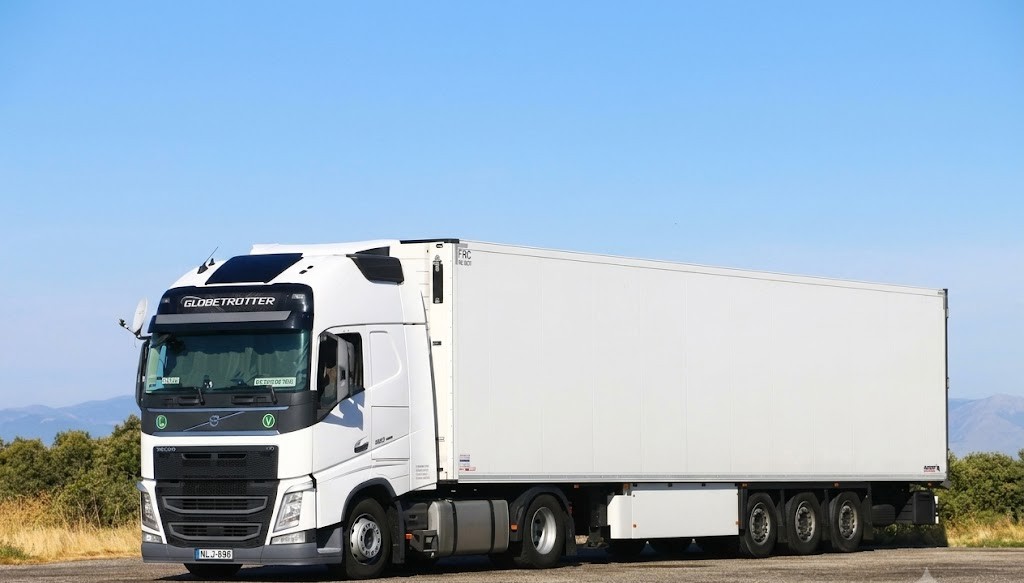
Semi-trailer
- A trailer that rests part of its own weight on the towing vehicle.
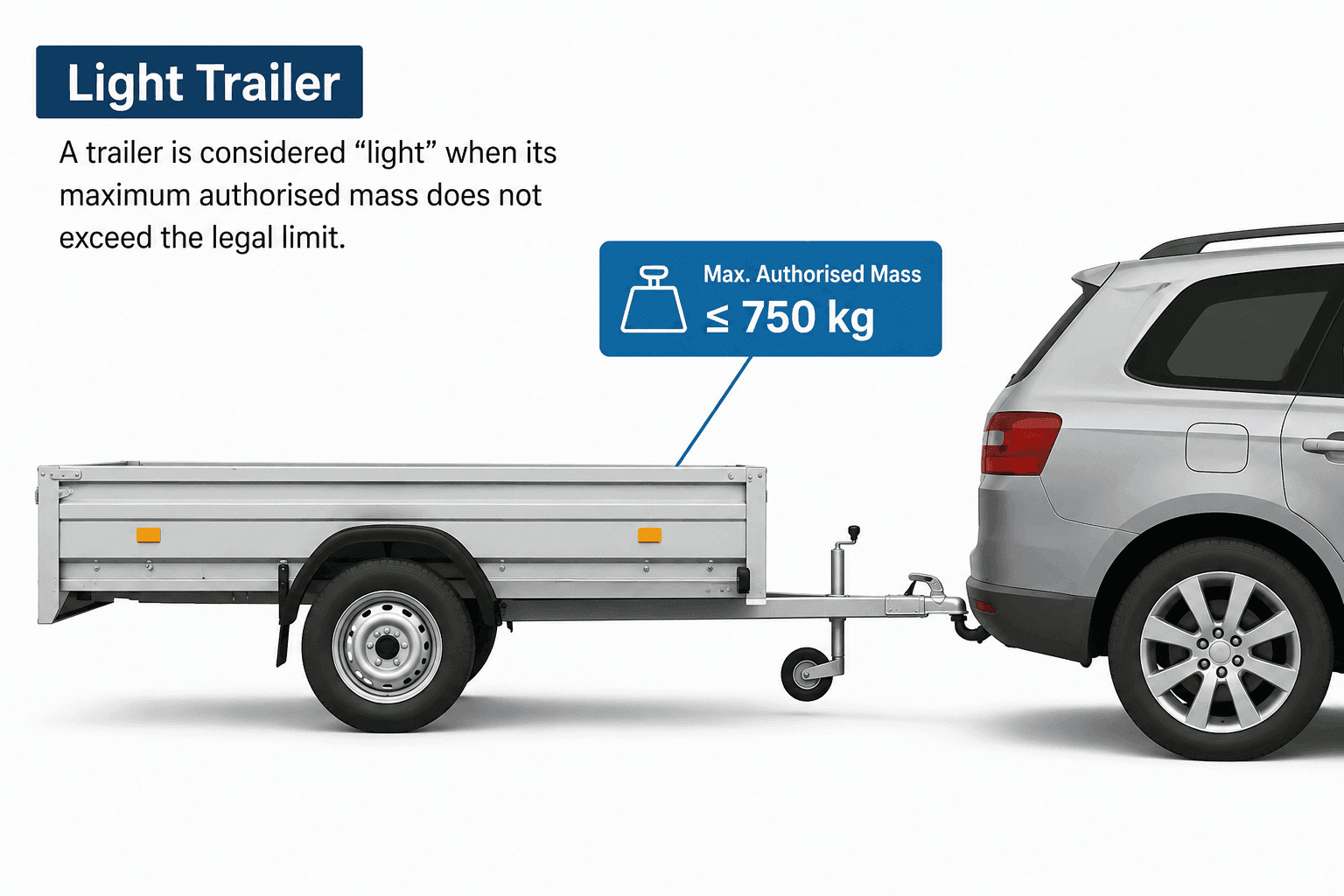
Light trailer
- A trailer with a maximum authorised mass of no more than 750 kg. It can be towed with a category B licence, without the B+E extension.
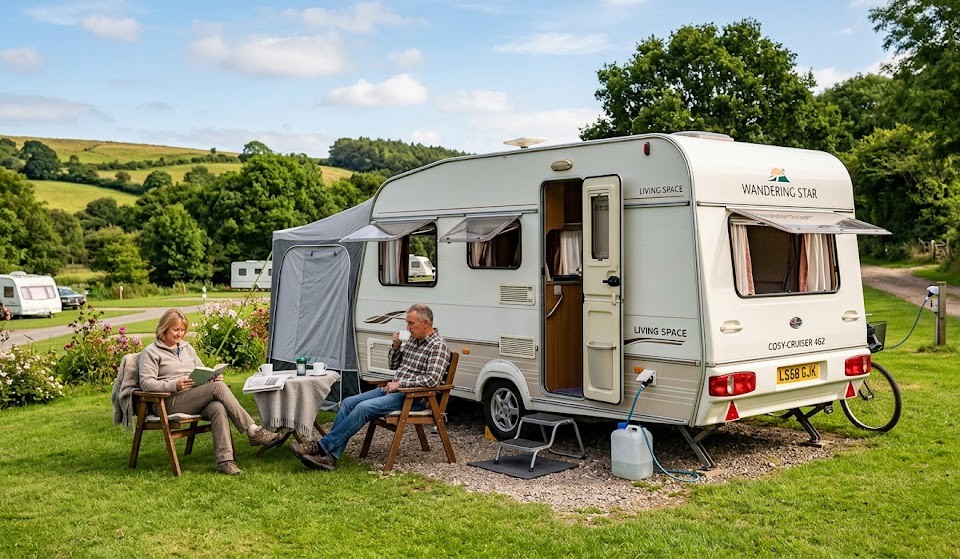
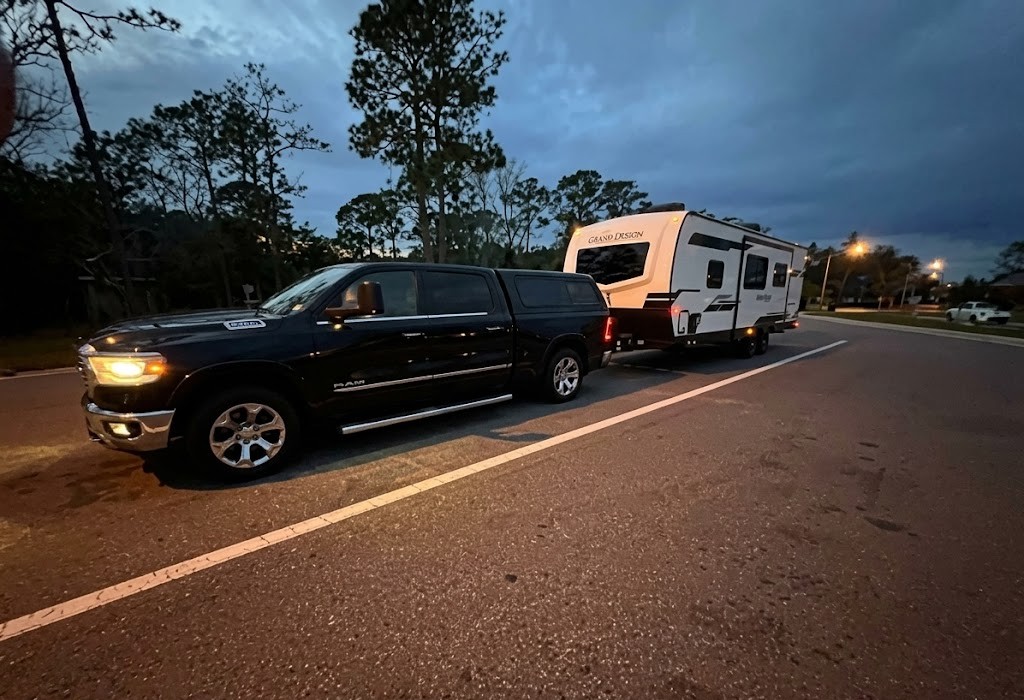
Caravan
- Built to provide living accommodation while stationary.
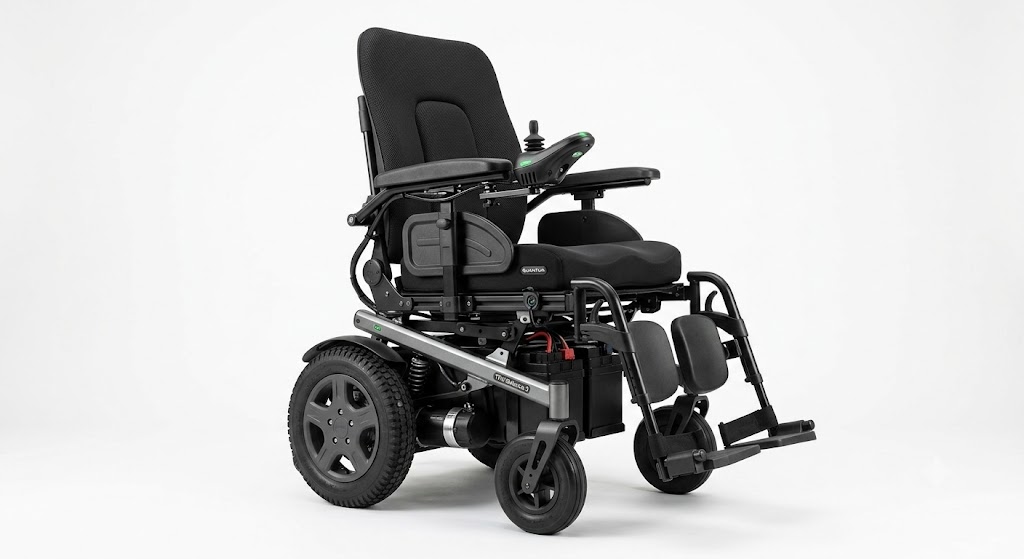
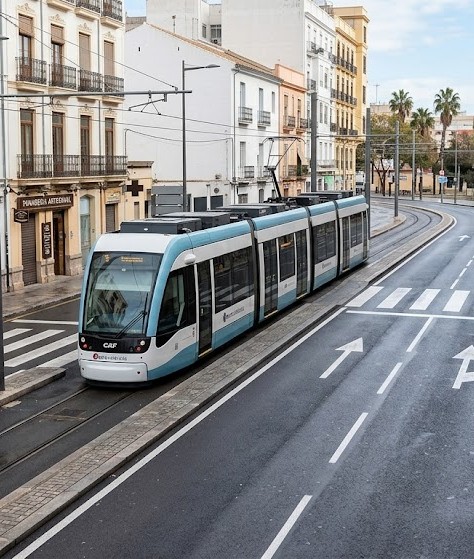
Other classified vehicles
1.4Motor Vehicles - Automobiles
Motor vehicles are distinguished mainly by their intended function and physical characteristics.
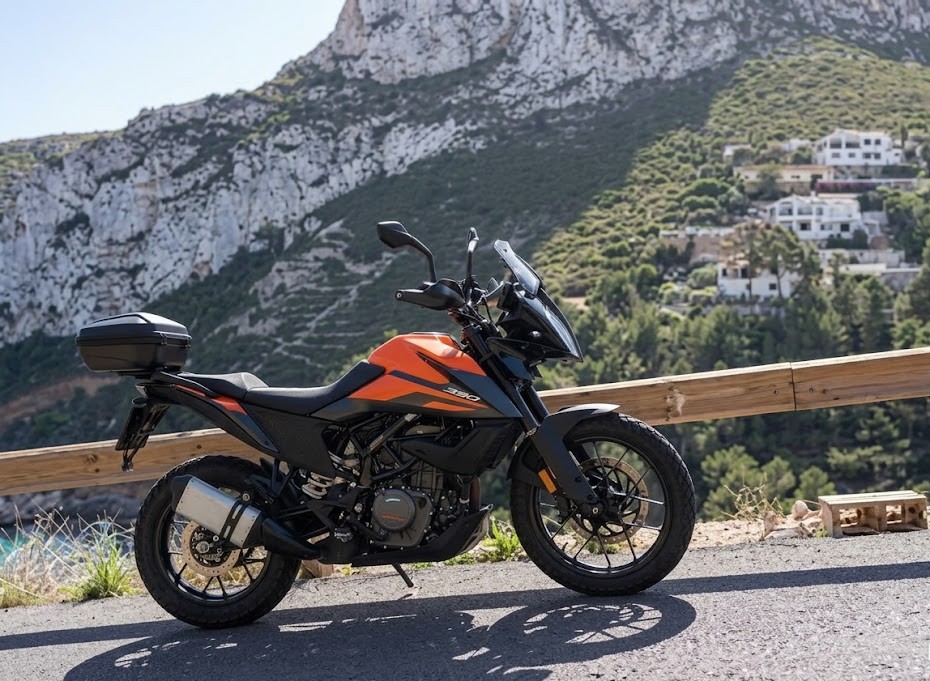
Two-wheeled motorcycles
- Engine larger than 50 cc
- Speeds over 45 km/h
- Individual transport & leisure
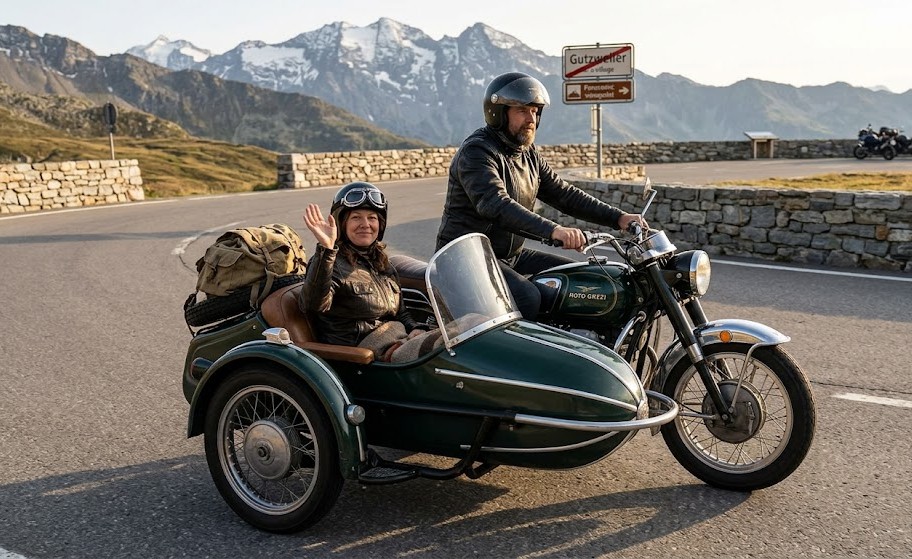
Motorcycles with sidecar
- Extra wheel via a sidecar
- More passenger/cargo space
- Keeps motorcycle controls
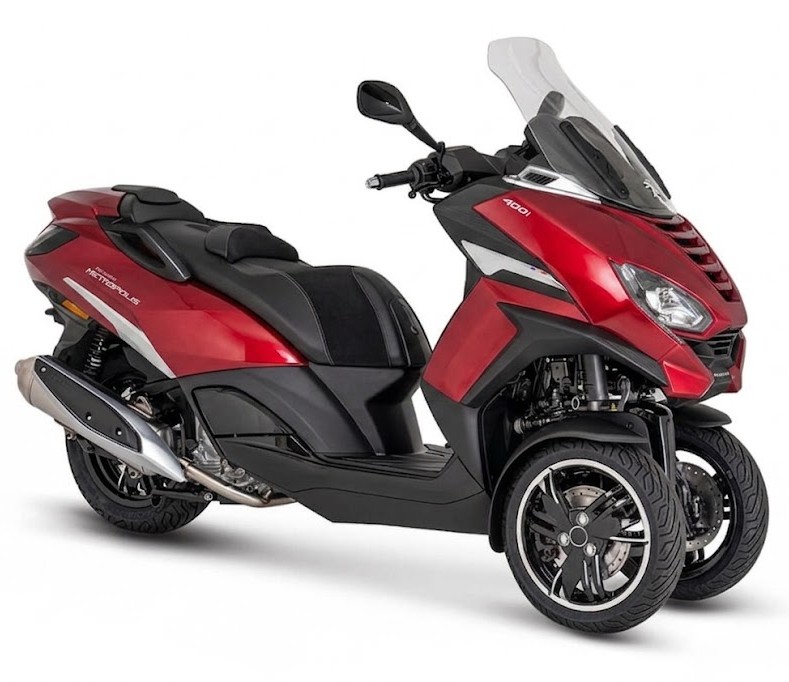
Three-wheeled vehicles
- Symmetrical three-wheel layout
- Car stability + motorcycle handling
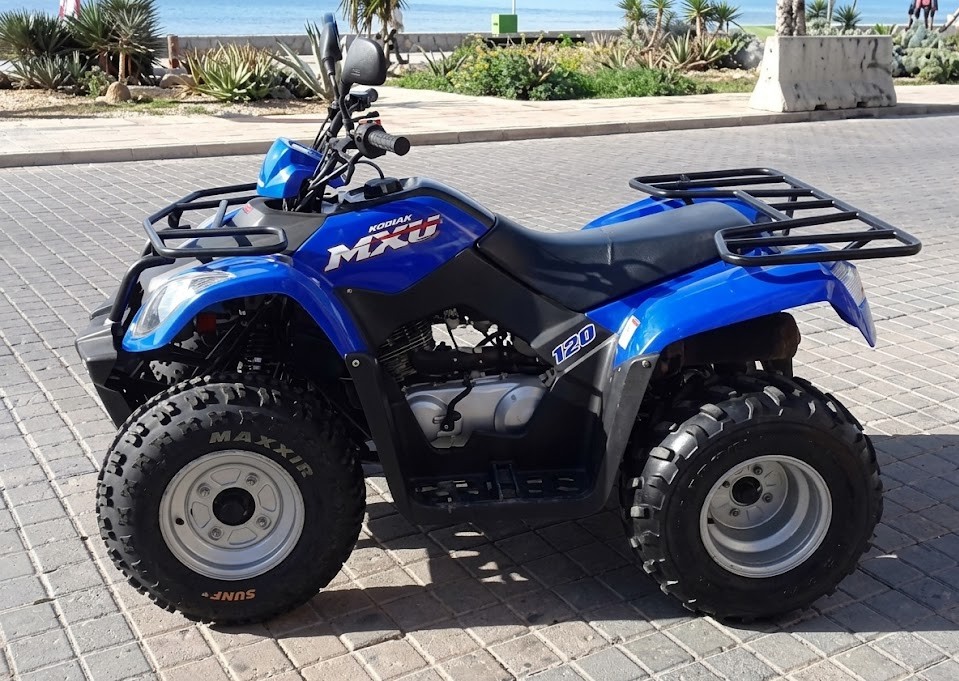
Motor quadricycles
- Four wheels
- Max unladen 450 kg (passenger) / 600 kg (goods)
- Urban & industrial use
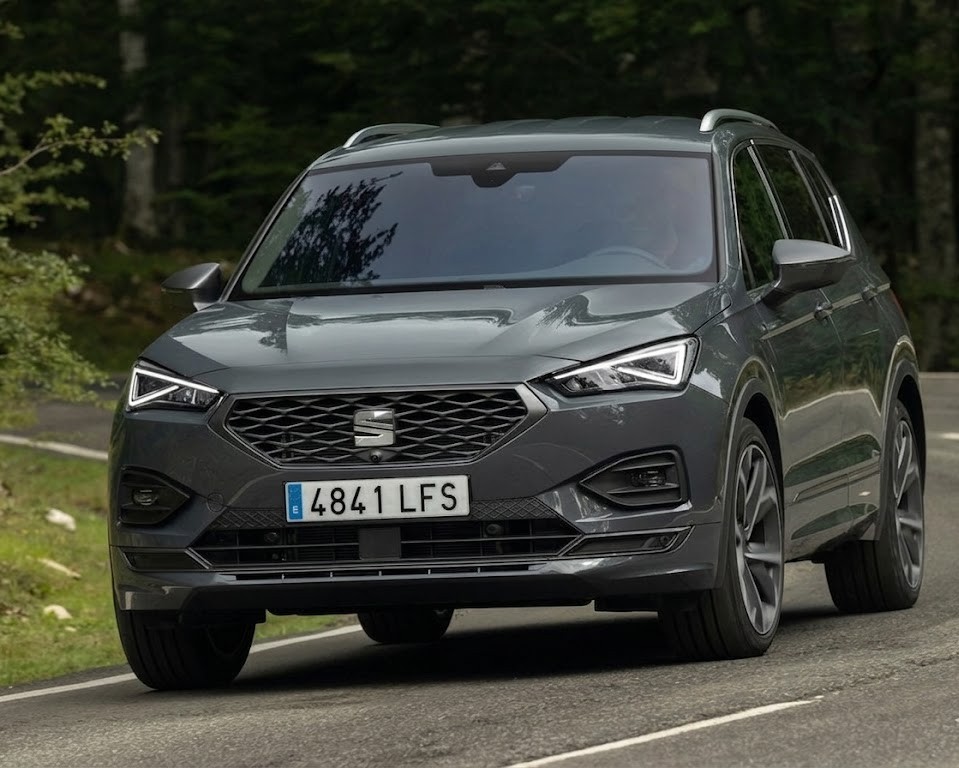
Passenger cars ("Turismo")
- Private passenger transport
- Up to 9 people incl. driver
- Compact cars to luxury sedans
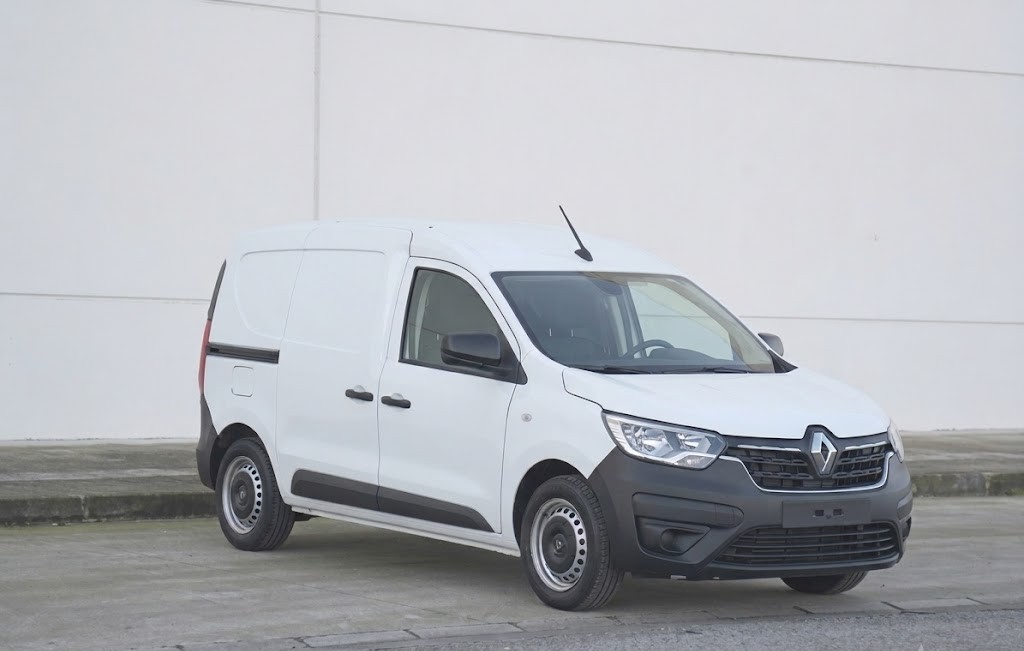
Derived from passenger cars
- Modified for goods transport
- One row of seats + cargo space
- Keeps the tourism body
Buses & coaches
- Carry more than 9 passengers
- Buses: within cities
- Coaches: long-distance
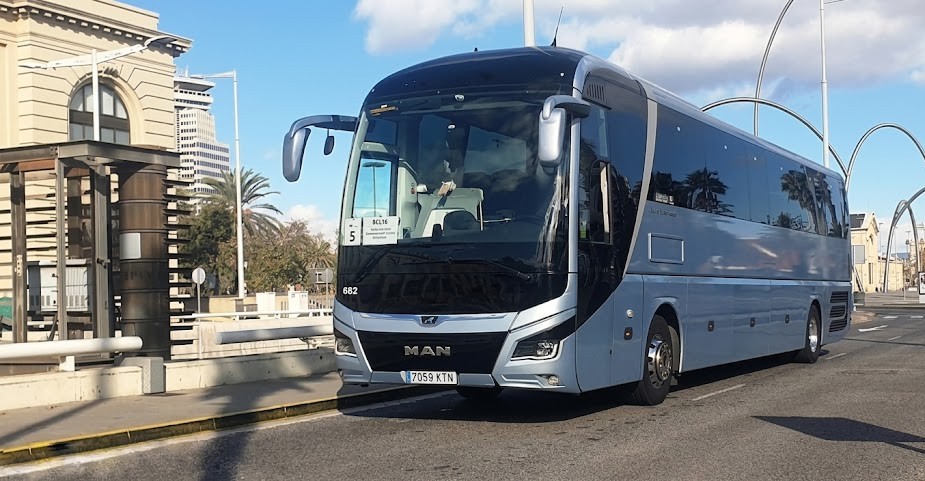
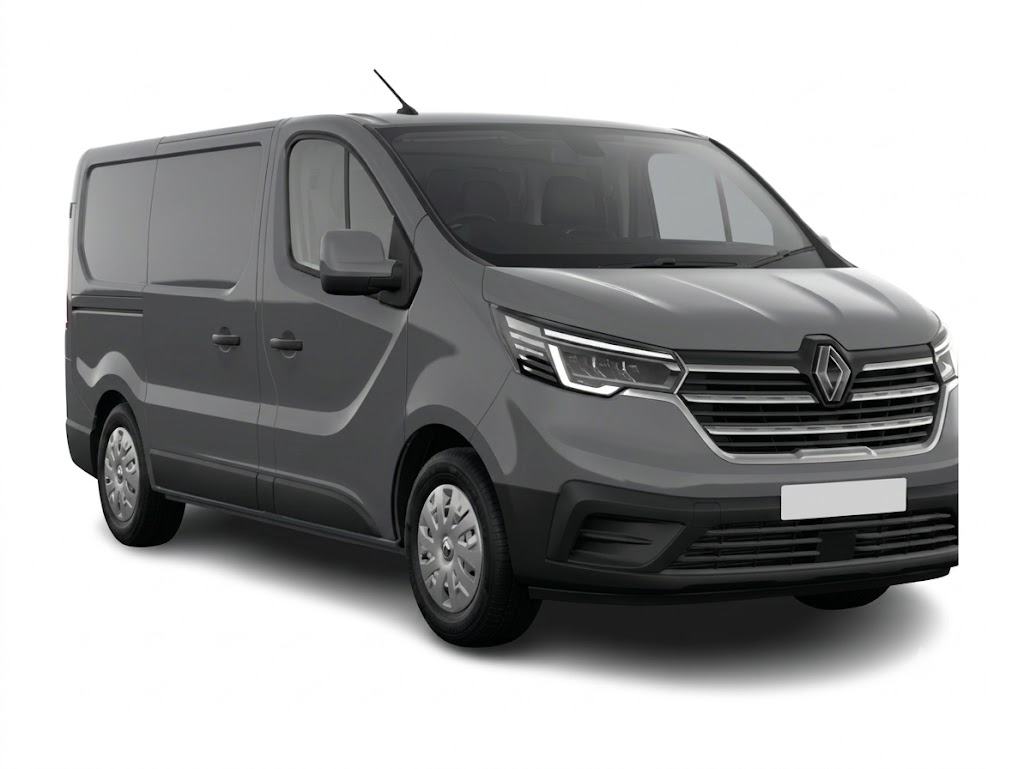
Mixed-use vehicles
- Carry passengers or goods
- Good for small business & family
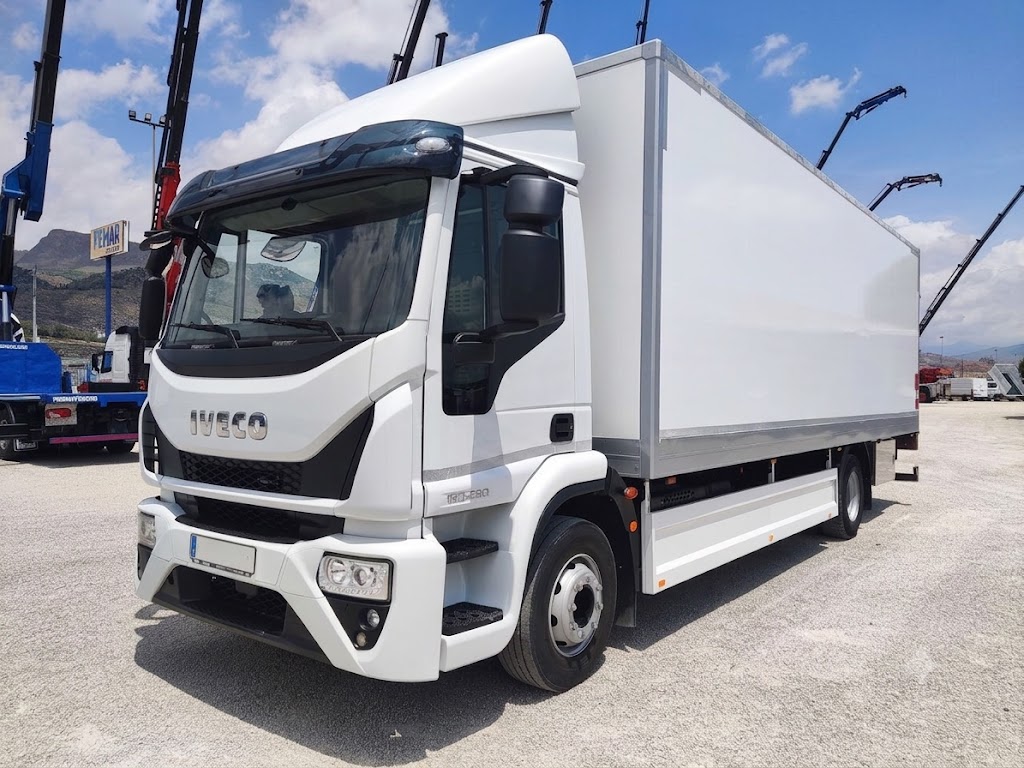
Trucks
- Built to transport goods
- Separate cab and cargo area
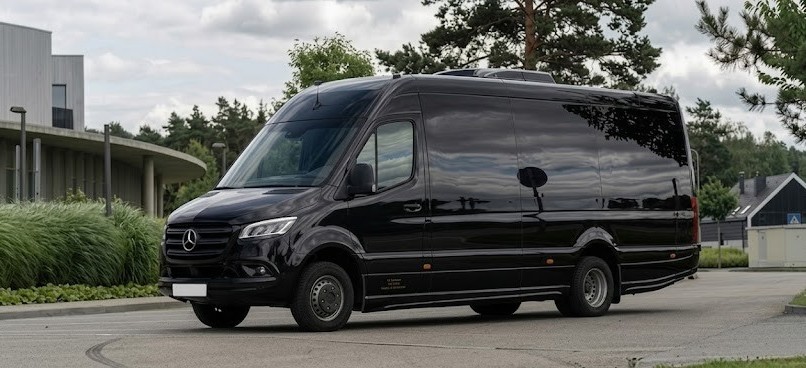
Vans & panel vans
- Commercial use
- Cabin integrated with cargo area
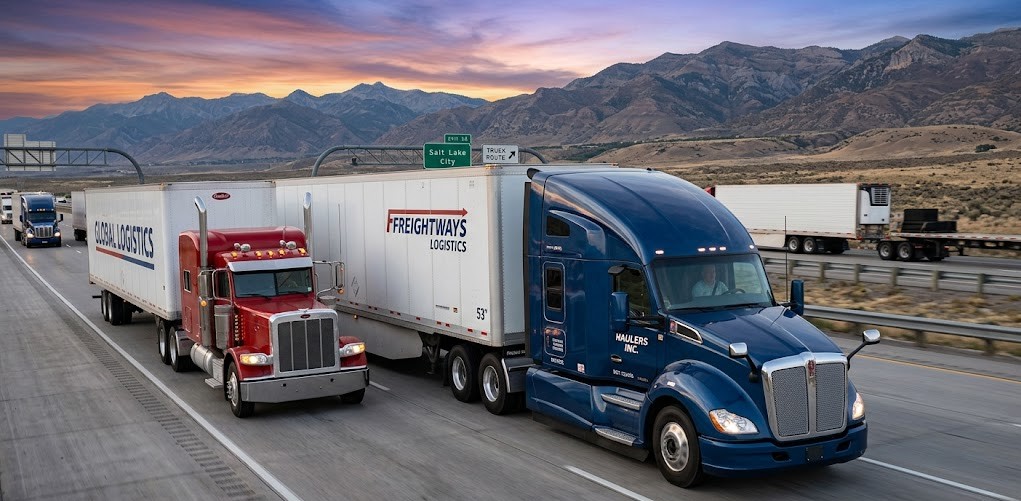
Tractor units
- Specialised to haul semi-trailers
- Key to freight & logistics
1.5Vehicle Combinations
Some vehicles operate joined to others. These need additional driving skill - especially for stability and braking distances.
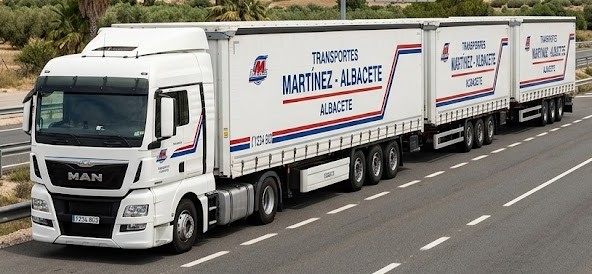
Road Trains
- A motor vehicle connected to one or more trailers.
Articulated Vehicles
- A motor vehicle pulling a semi-trailer, allowing better manoeuvrability.
1.6Special Motor Vehicles
Purpose-built vehicles for farming, public service, construction, and leisure.
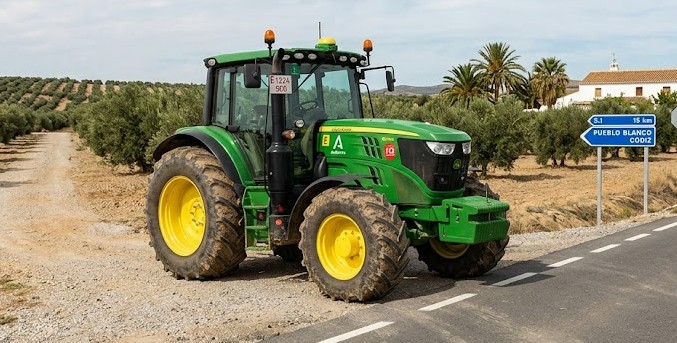
Agricultural tractors
- Used mainly in farming
- Tow heavy machinery & trailers
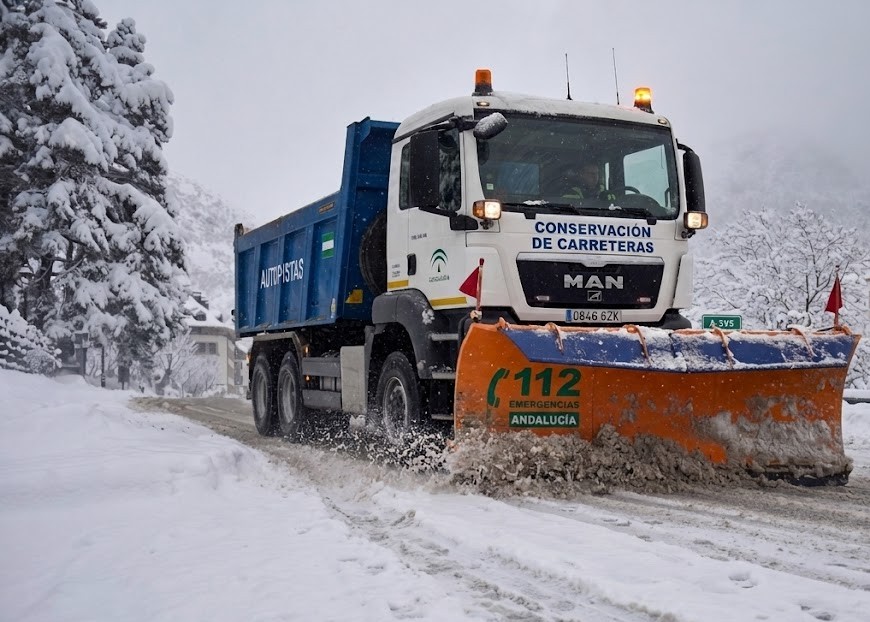
Self-propelled service machines
- Street sweepers, snow plows
- Built for maintenance tasks
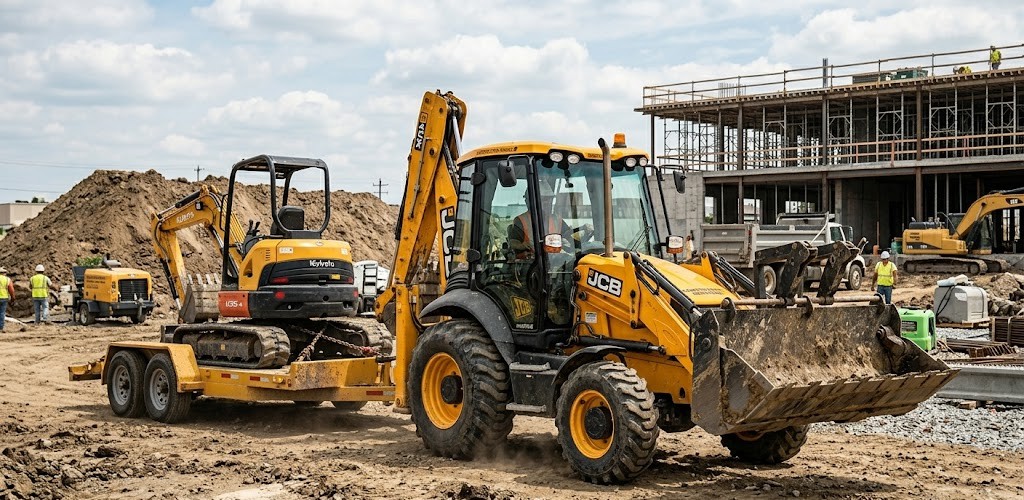
Self-propelled construction machine
- Two or more axles
- Performs construction / heavy work
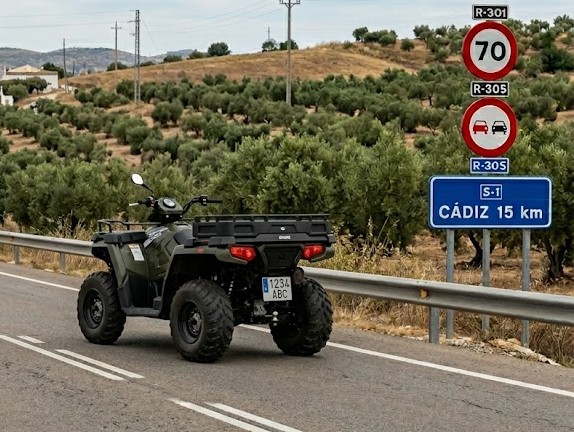
Quad - ATV
- Traction system, four+ wheels, handlebar
- Speed limited by features/use
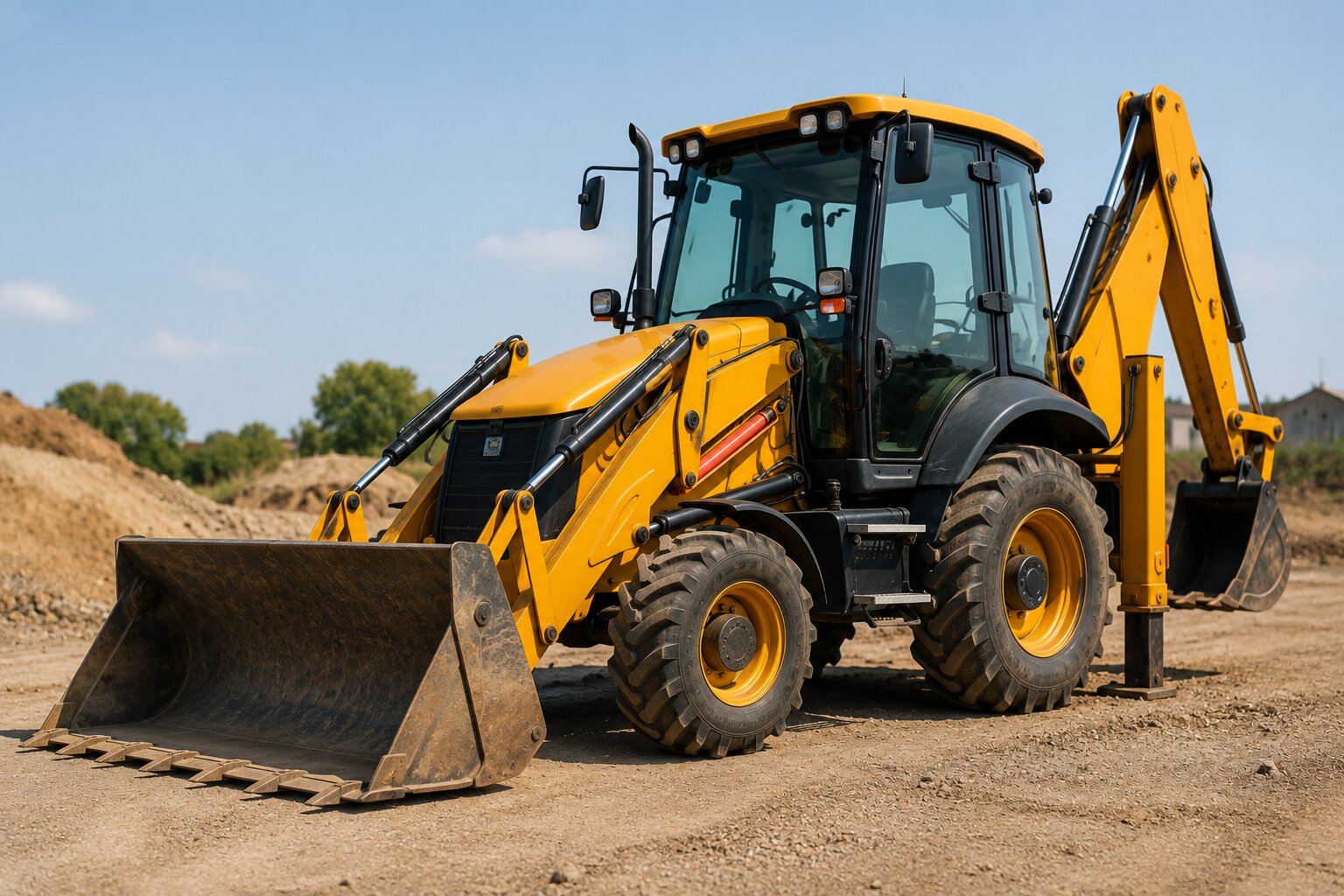
Construction backhoe
- At least two axles
- Moves, tows or pushes work equipment
Tourist train
- Tractor unit with trailers
- Carries passengers for sightseeing
- Limited top speed; specific restrictions

1.7Vehicle Mass & Weight Terms
Understanding weight is essential for safe operation. Respecting these limits protects road safety and vehicle longevity.
| Term | Meaning |
|---|---|
| Tare Weight (Unladen Mass) | Weight of the vehicle with essential fluids but no passengers or cargo. |
| Tare Weight in motion | Tare weight plus the weight of the driver. |
| Gross Vehicle Weight | Total weight of the vehicle fully loaded. |
| Maximum Authorised Mass (MAM) | Legal limit for total mass while in use. |
| Max. Authorised Mass of the combination | Highest total weight a loaded vehicle may have when travelling on public roads. |
| Axle Load | Weight supported by a single axle. |
| Weight per axle | Amount of weight a single axle transmits to the ground through its wheels. |
1.8Final Notes for New Drivers
Knowing vehicle types is more than exam preparation - it is vital for:
Ready to test your knowledge?
Practice questions covering everything in Chapter 1 - Vehicle Types.