Chapter 5 - Right of Way
Priority, or right of way, means the legal right of a driver or pedestrian to proceed first when their path intersects with others. Understanding these rules is crucial for avoiding collisions and ensuring safe, smooth traffic flow - at intersections, narrow roads, pedestrian areas, and around special vehicles like emergency services.
5.1 General Principles
When two or more road users' paths intersect, the one with the right of way has legal permission to go first. If priority is not explicitly regulated through traffic signs or agents, drivers must rely on general traffic rules to determine who yields.
5.1.1 Determining Priority
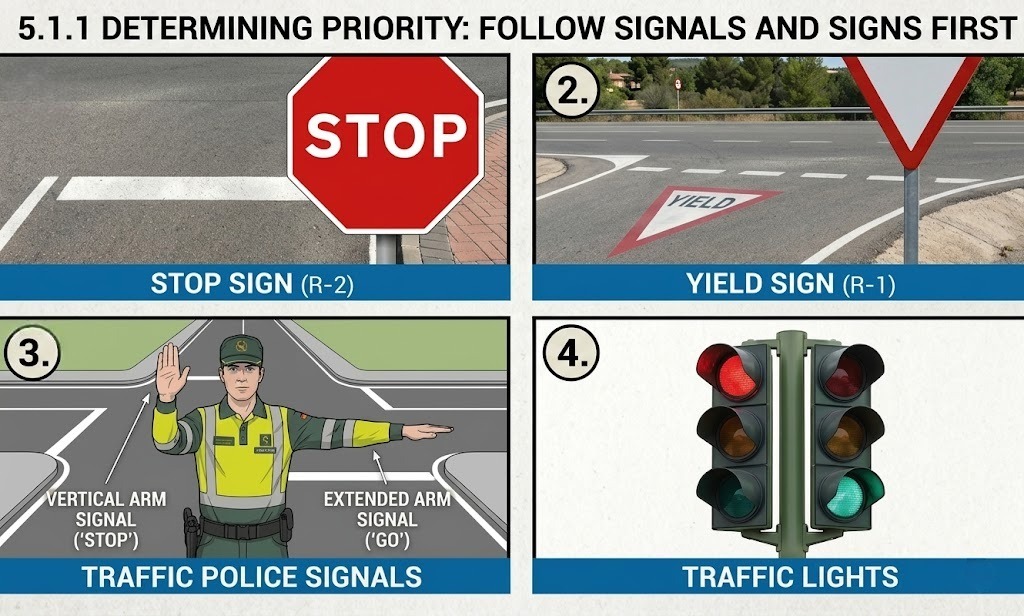
- First, follow any signals or signs - such as stop signs, yield signs, traffic lights, and agents' instructions.
- If there is no signage or regulation, apply the general right-of-way rules.
5.2 Intersections
5.2.1 Right-Hand Rule
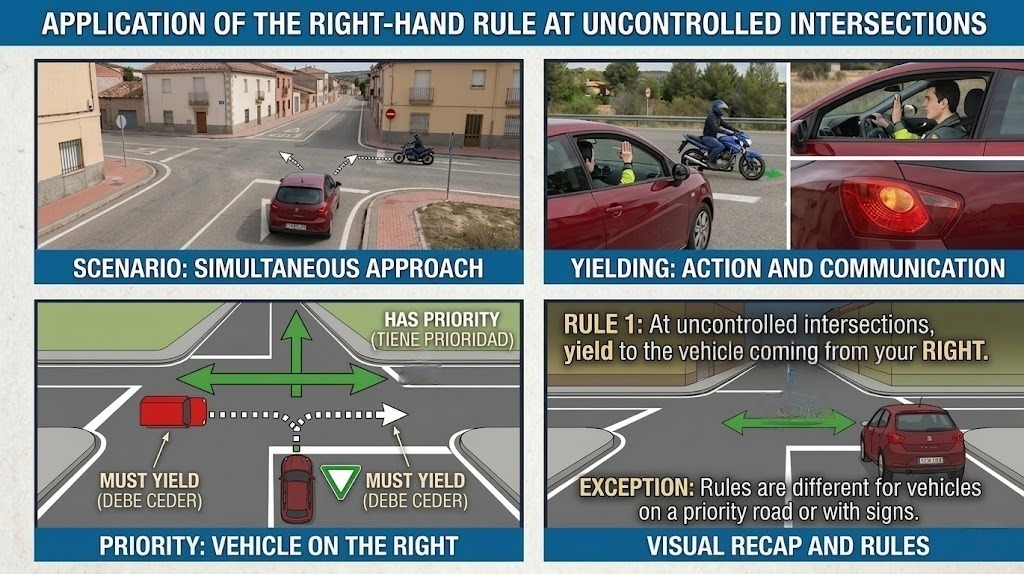
At intersections without traffic signs or signals, drivers must yield to vehicles approaching from their right-hand side. This is known as the "right-hand rule."
5.2.2 Exceptions to the Right-Hand Rule
- Vehicles on paved roads have priority over vehicles coming from unpaved roads.
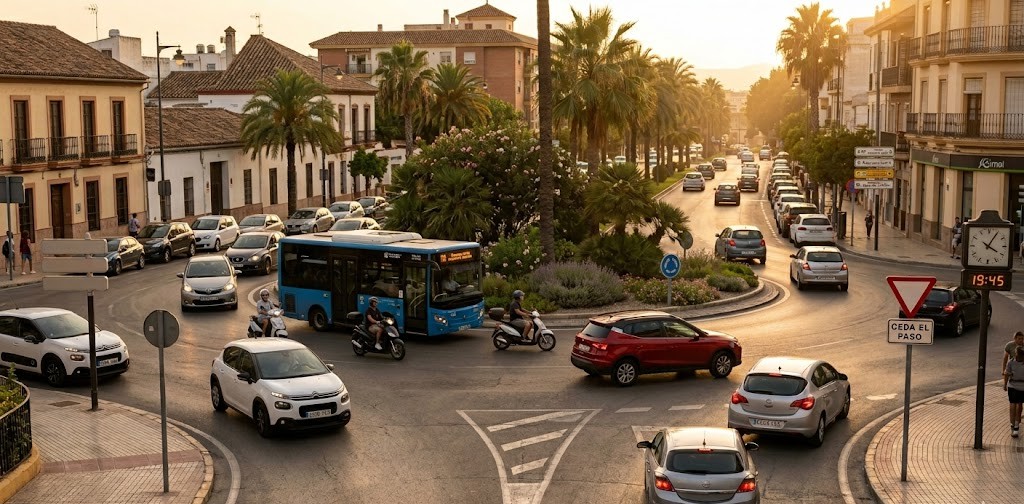
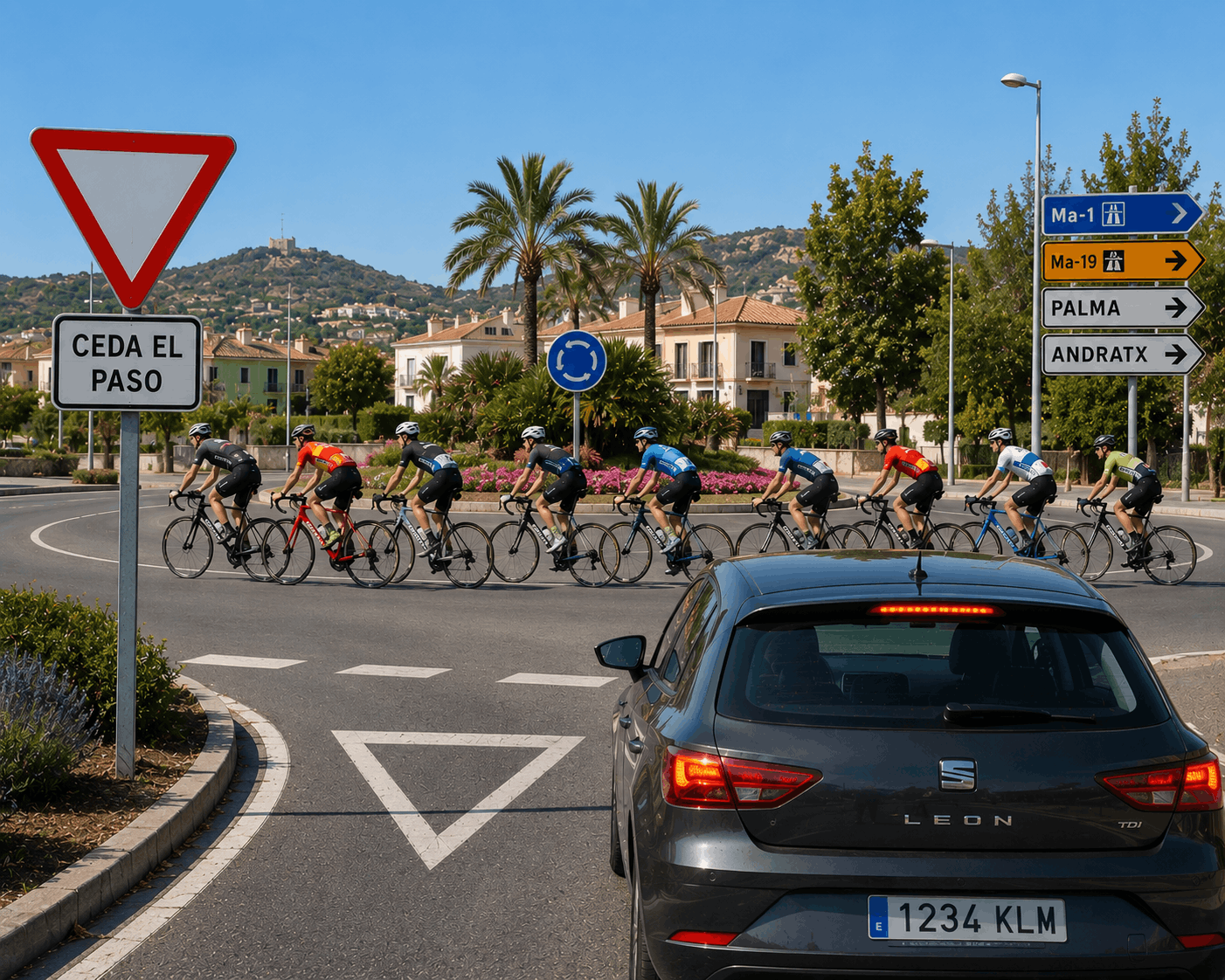
- Vehicles already circulating within a roundabout have priority over those entering it.
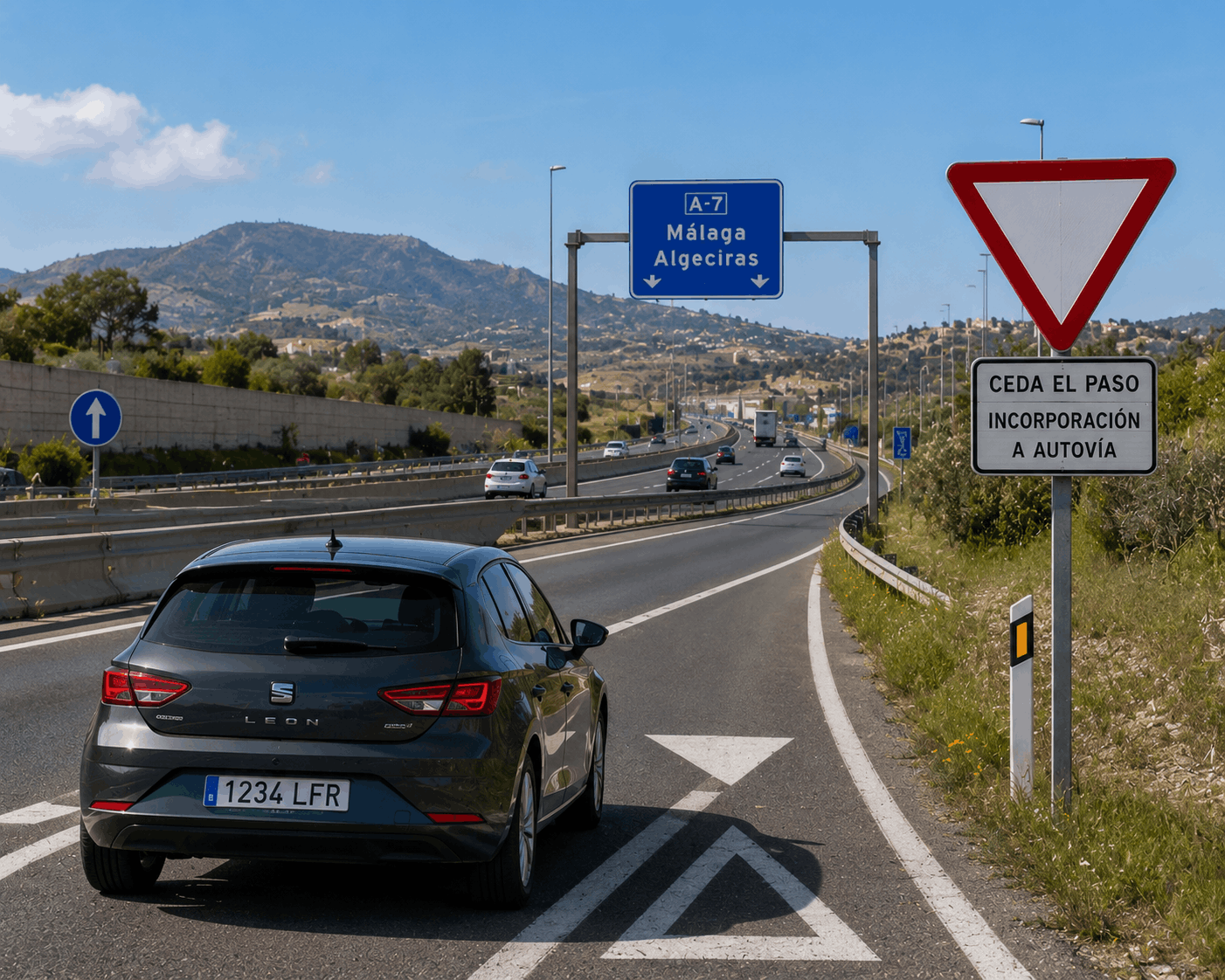
- Vehicles travelling on motorways or expressways have priority over those attempting to merge.
- Rail vehicles (such as trams and trains) always have the right of way over all other users.
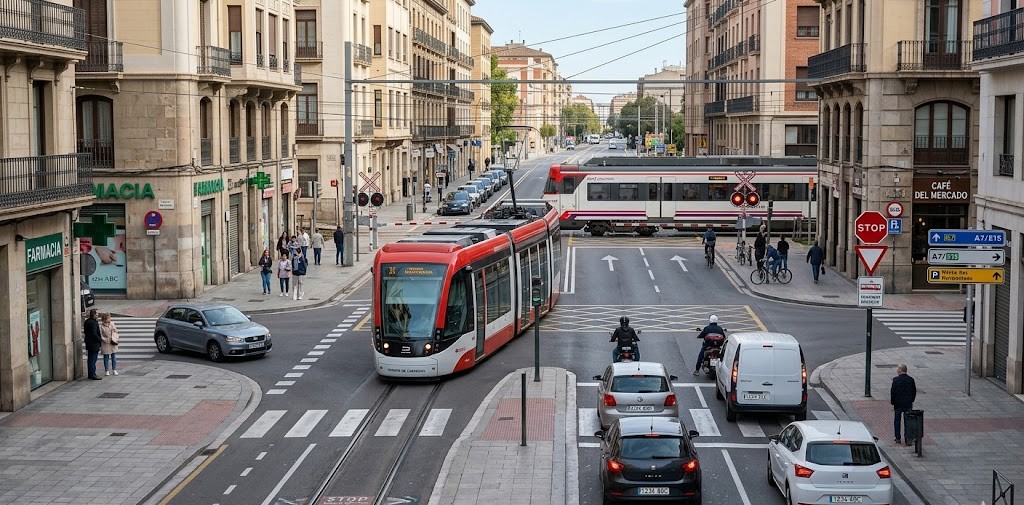
5.2.3 Do Not Block Intersections
- Regardless of whether you have priority, do not enter an intersection unless you are sure you can clear it completely.
- Do not stop on pedestrian crossings or inside the intersection due to traffic congestion.
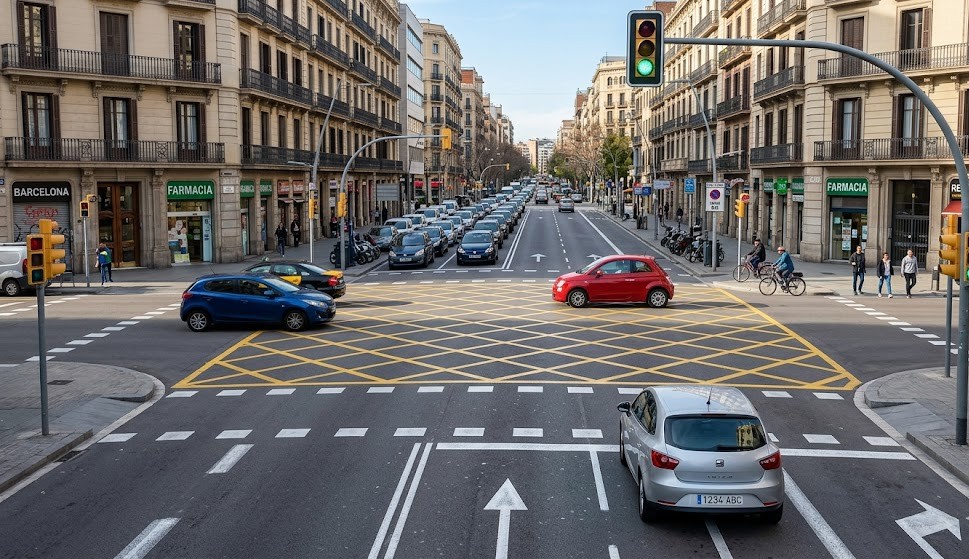
5.3 Narrow Roads and Constrictions
5.3.1 Who Goes First?
- If a narrowing is not signposted, the vehicle that entered the narrowed section first has priority.
- If unclear who entered first, yield to the vehicle with the most difficulty in manoeuvring.
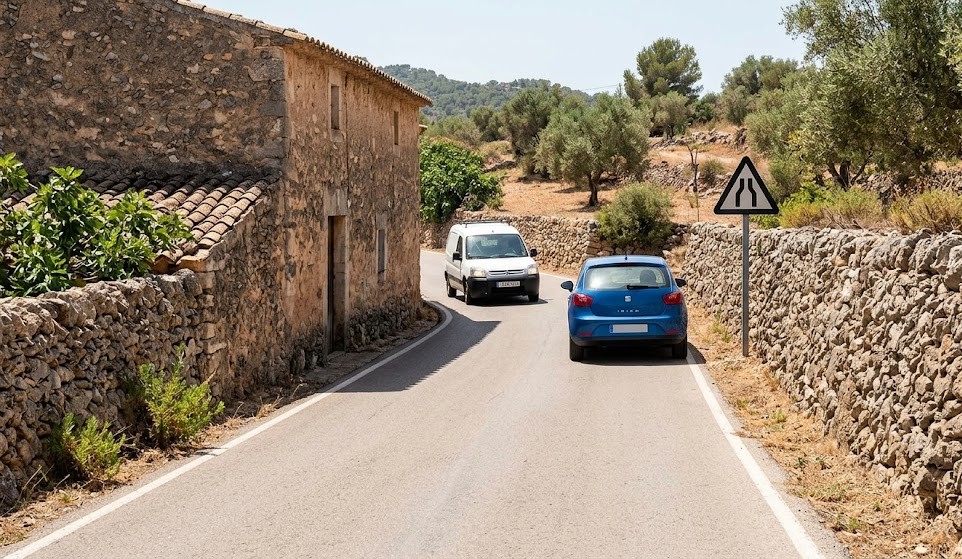
5.3.2 Priority by Vehicle Type
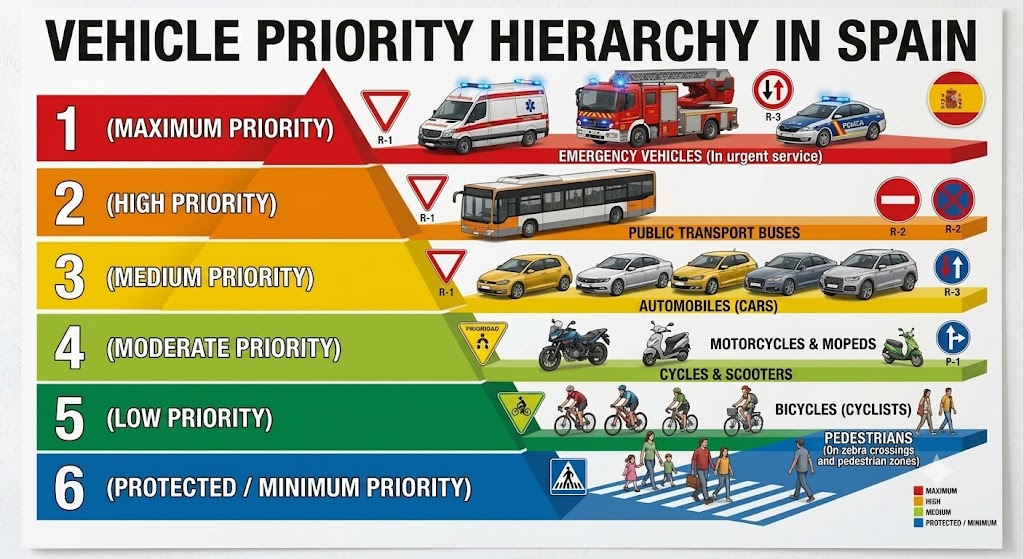
In case of doubt, priority is based on the type and characteristics of the vehicle. The following order applies (from highest to lowest priority):
- Oversized special transport vehicles
- Vehicle combinations (except passenger cars with light trailers)
- Animal-drawn vehicles
- Passenger cars with light trailers
- Passenger transport vehicles (buses)
- Trucks, tractor-trailers, and vans
- Special vehicles, quadricycles
- Three-wheeled vehicles, motorcycles with sidecars, and mopeds with three wheels
- Two-wheeled motorcycles, mopeds, and bicycles
5.3.3 Steep Slopes
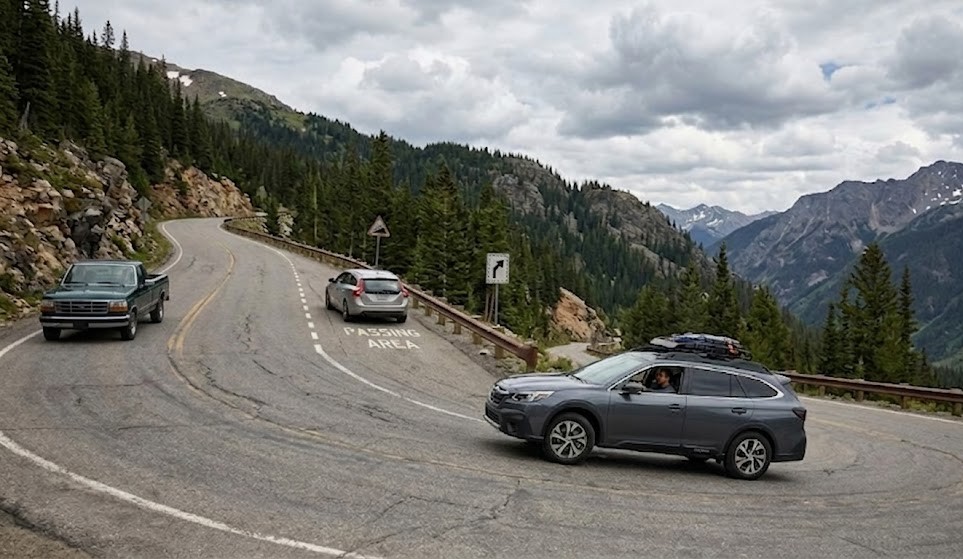
On roads with steep inclines (greater than or equal to 7%), the vehicle travelling uphill has priority - unless a passing area is closer to the descending vehicle.
5.4 Priority for Vulnerable Road Users
5.4.1 Cyclists
Drivers must yield to cyclists in the following situations:
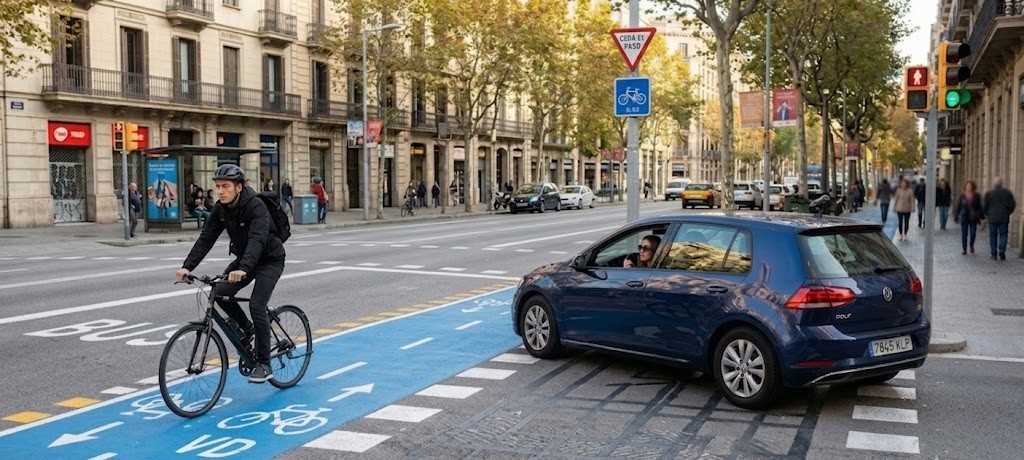
- When crossing a cycle lane, shoulder, or bicycle crossing.
- When turning and intersecting with a cyclist's path.
- When a group of cyclists begins to cross an intersection or roundabout - treat the group as a single unit.
5.4.2 Pedestrians
Drivers must yield to pedestrians:
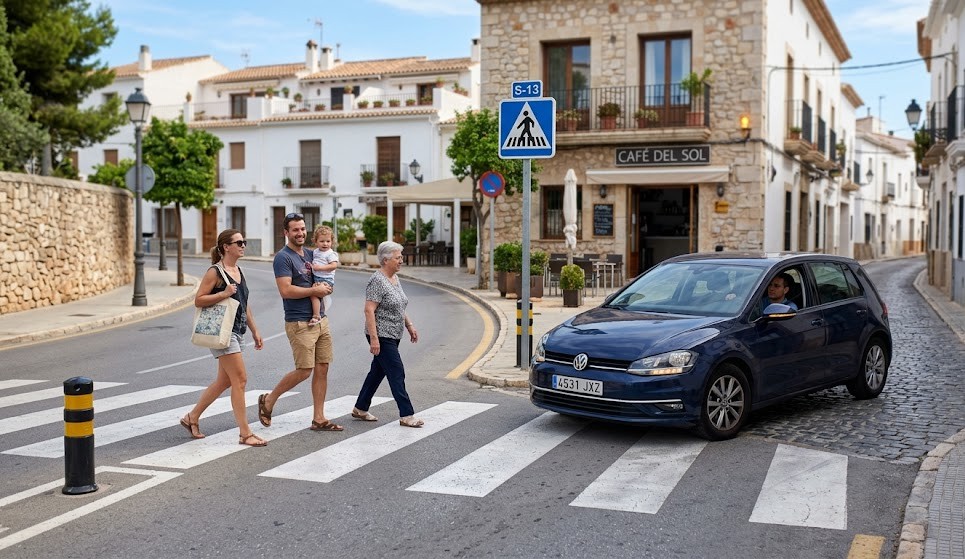
- At marked pedestrian crossings.
- When turning into another road if pedestrians are already crossing.
- When pedestrians are walking on the shoulder due to lack of sidewalks.
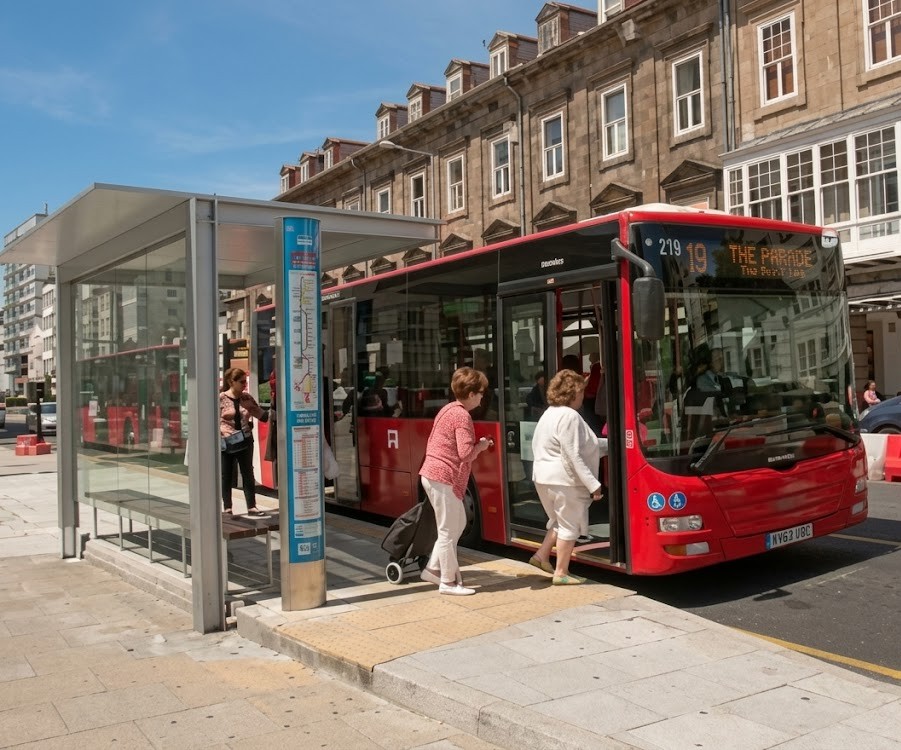
- When they are boarding or alighting from a bus, between the vehicle and the sidewalk.
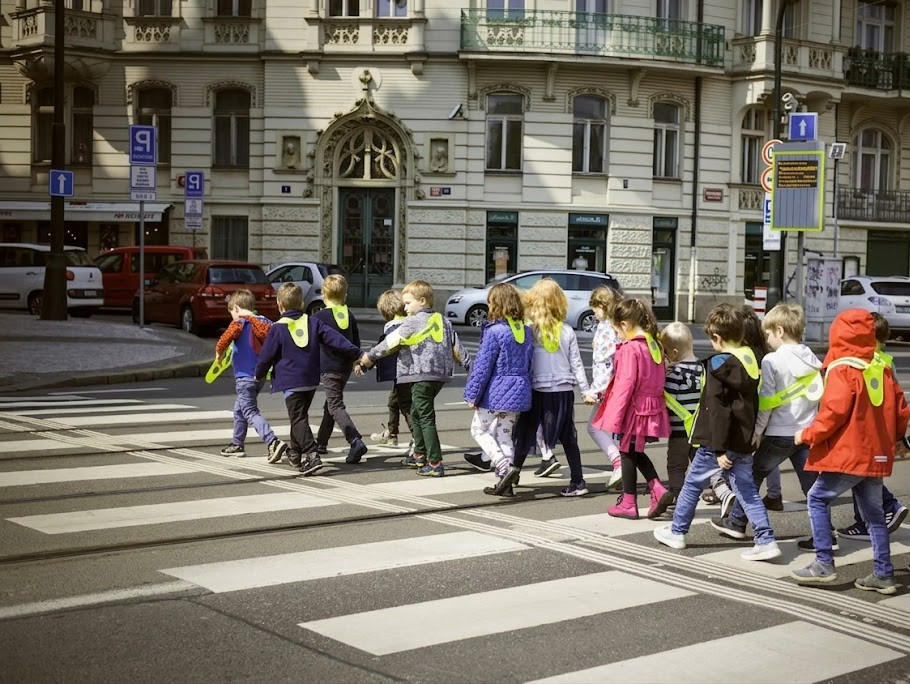
- When they are part of an organised group (e.g., schoolchildren, troops, processions).
5.4.3 Animals
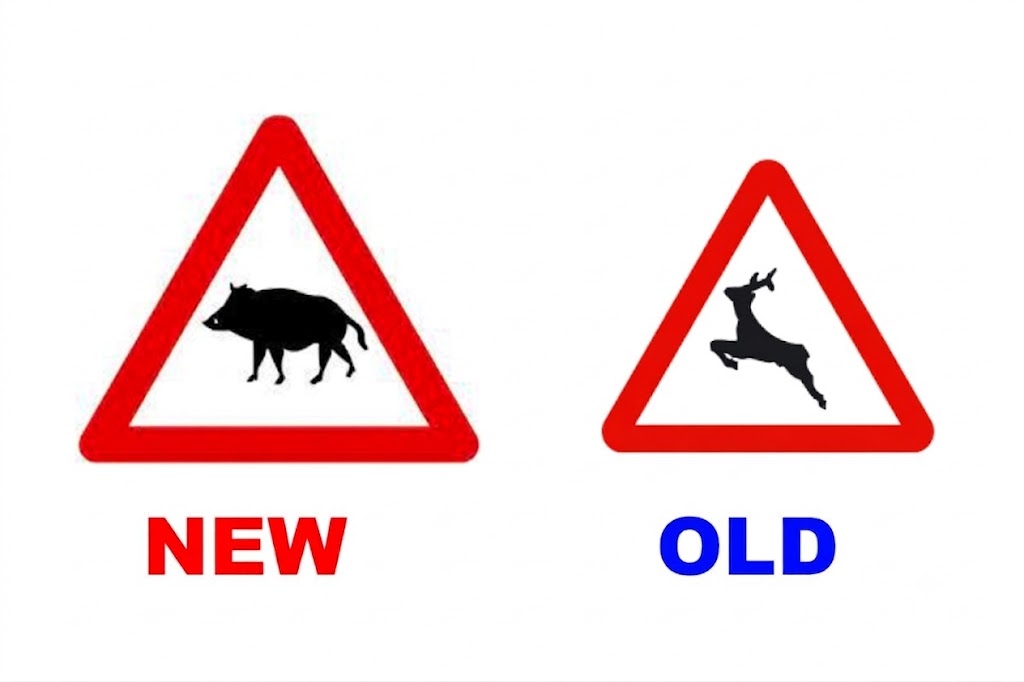
Drivers must yield to animals:
- At signed livestock trails or crossings.
- When turning and animals are crossing the road.
- When animals are walking on the shoulder in the absence of a marked livestock route.
5.5 Emergency and Priority Vehicles
5.5.1 Priority Vehicles
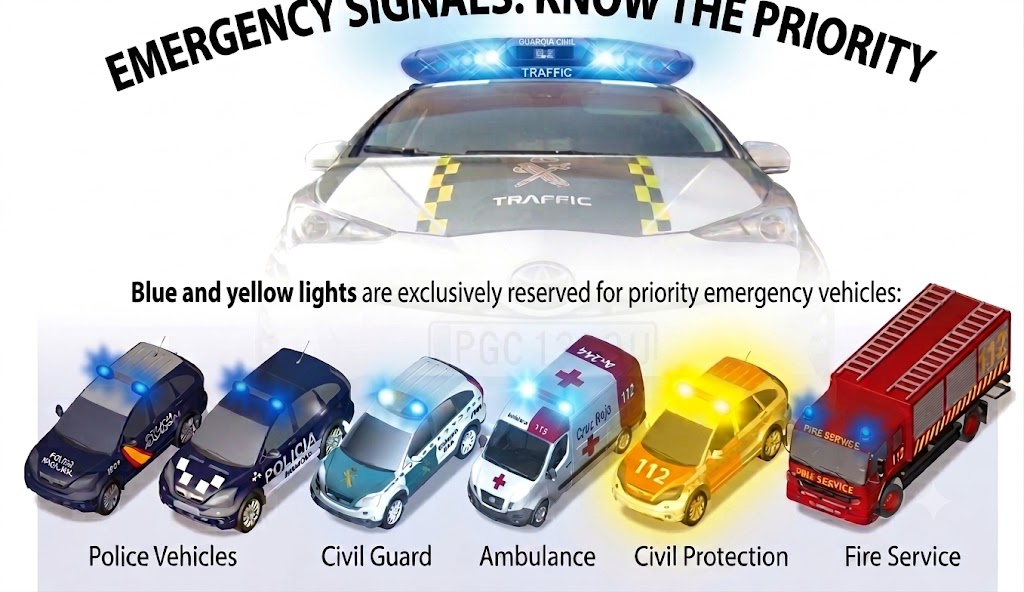
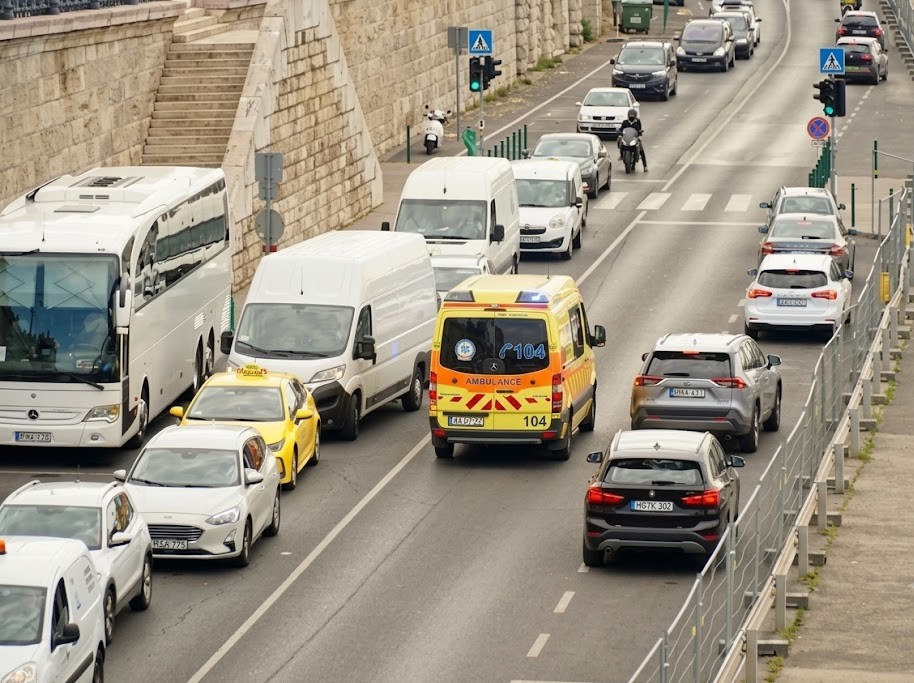
The following are considered priority vehicles when on emergency duty:
- Police (blue flashing light)
- Fire brigade
- Ambulances
- Civil protection and road assistance (yellow flashing light)
5.5.2 Tow Trucks and Road Assistance
Roadside assistance vehicles (tow trucks) have the right to stop or park temporarily on urban roads to assist broken-down or crashed vehicles - provided they do not cause further danger or block traffic.
5.5.3 Non-Priority Vehicles on Emergency Duty
These vehicles must still obey traffic regulations and may use warning signals (horn, emergency lights, or hand signals) to alert others of urgency.
5.5.4 How to React as a Driver
- Yield the lane by moving to the right.
- Stop if necessary to allow the emergency vehicle to pass.
- Never block intersections when an emergency vehicle approaches.
5.6 Summary of Priority Situations
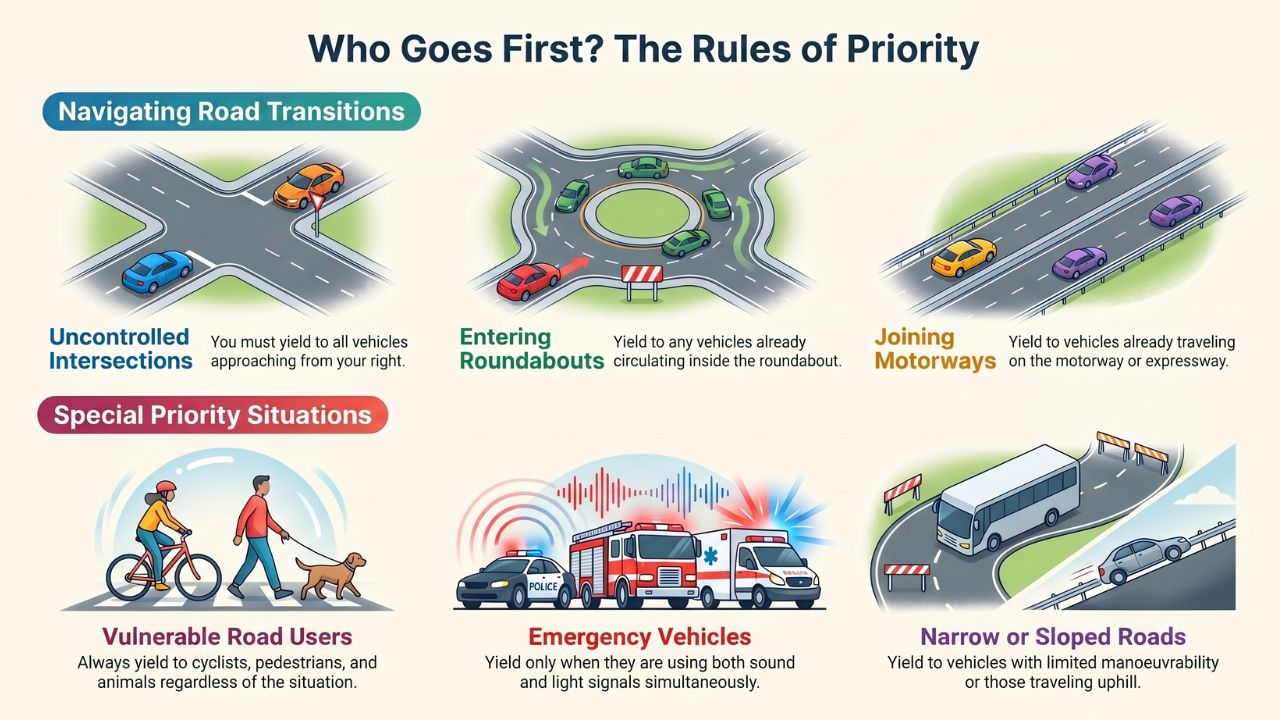
| Situation | Who to yield to |
|---|---|
| At uncontrolled intersections | Vehicles on your right |
| Entering a roundabout | Vehicles already inside |
| Joining a motorway or expressway | Vehicles already on the road |
| On narrow roads | Vehicles with limited manoeuvrability or those going uphill |
| Vulnerable users | Always yield to cyclists, pedestrians, and animals |
| Emergency vehicles | Yield when they use both sound and light signals |
Ready to test your knowledge?
Practice questions covering everything in Chapter 5 - Right of Way.Last updated: 2026-06-27
Practice the questions for this chapter
The theory is free to read. Create a free account to practice official-format questions and track your progress.