Driving Manual · Theory
Chapter 2 - Use of Public Roads
Driving is not just about operating a vehicle; it is about respecting and sharing the road with others. This chapter covers the fundamental rules and behaviours every road user must know and practice to ensure safety, order, and responsibility.
2.1 General Rules of Behaviour
All users of public roads have specific obligations to guarantee safe and respectful circulation.
2.1.1 Obligations
Every road user must:
- Control their vehicle or animal at all times, adjusting speed and movements to the conditions of the road, weather, and traffic.
- Exercise necessary caution when approaching vulnerable users such as children, elderly persons, people with disabilities, and blind individuals.
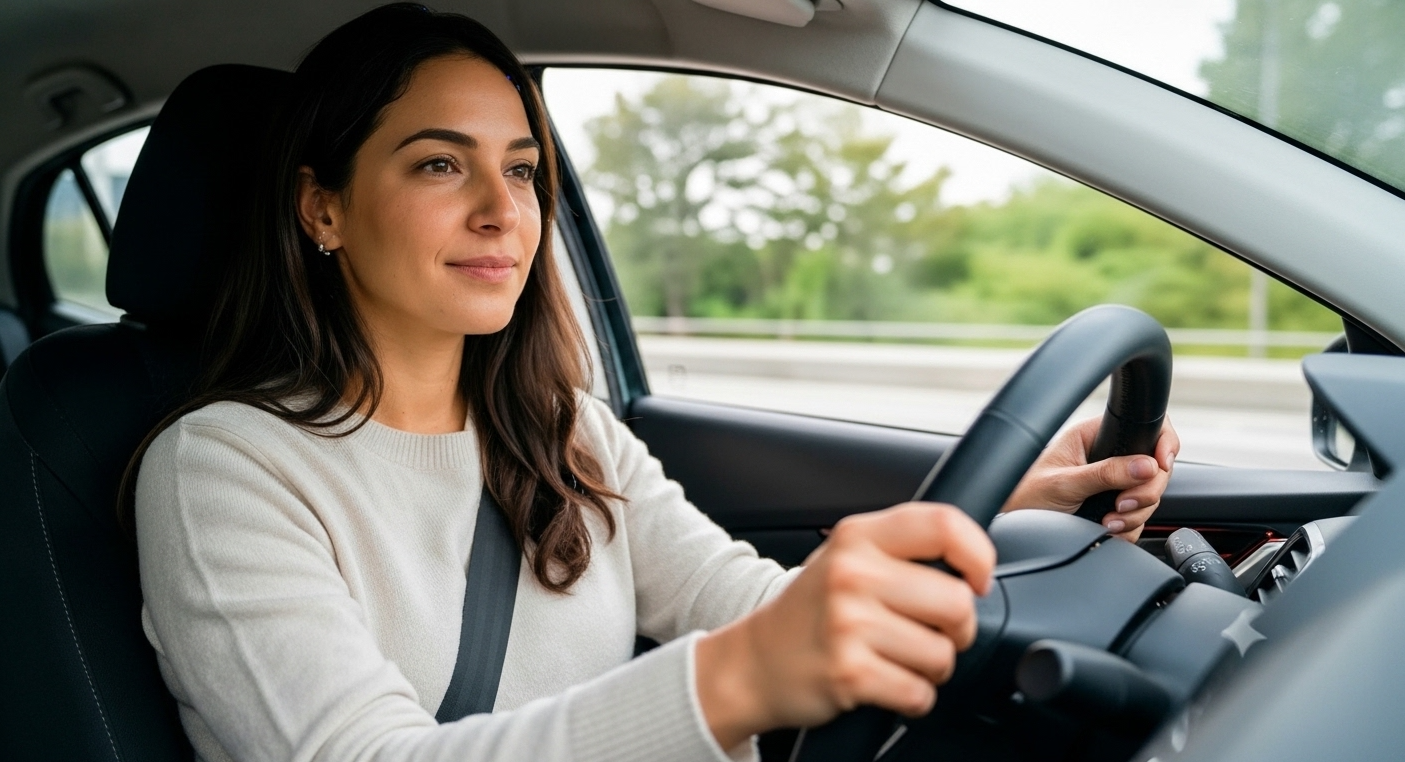
- Maintain full freedom of movement and an unobstructed field of vision, ensuring permanent attention to driving.
- Switch off the engine, lights, radio, and any electromagnetic devices (such as mobile phones) when refuelling.
- Remove any obstacle they cause on the road as soon as possible, ensuring the safety of others in the meantime.
2.1.2 Prohibitions
It is strictly prohibited to:
- Throw or abandon objects that could cause fires, pollution, or road hazards.
- Drive negligently or recklessly.
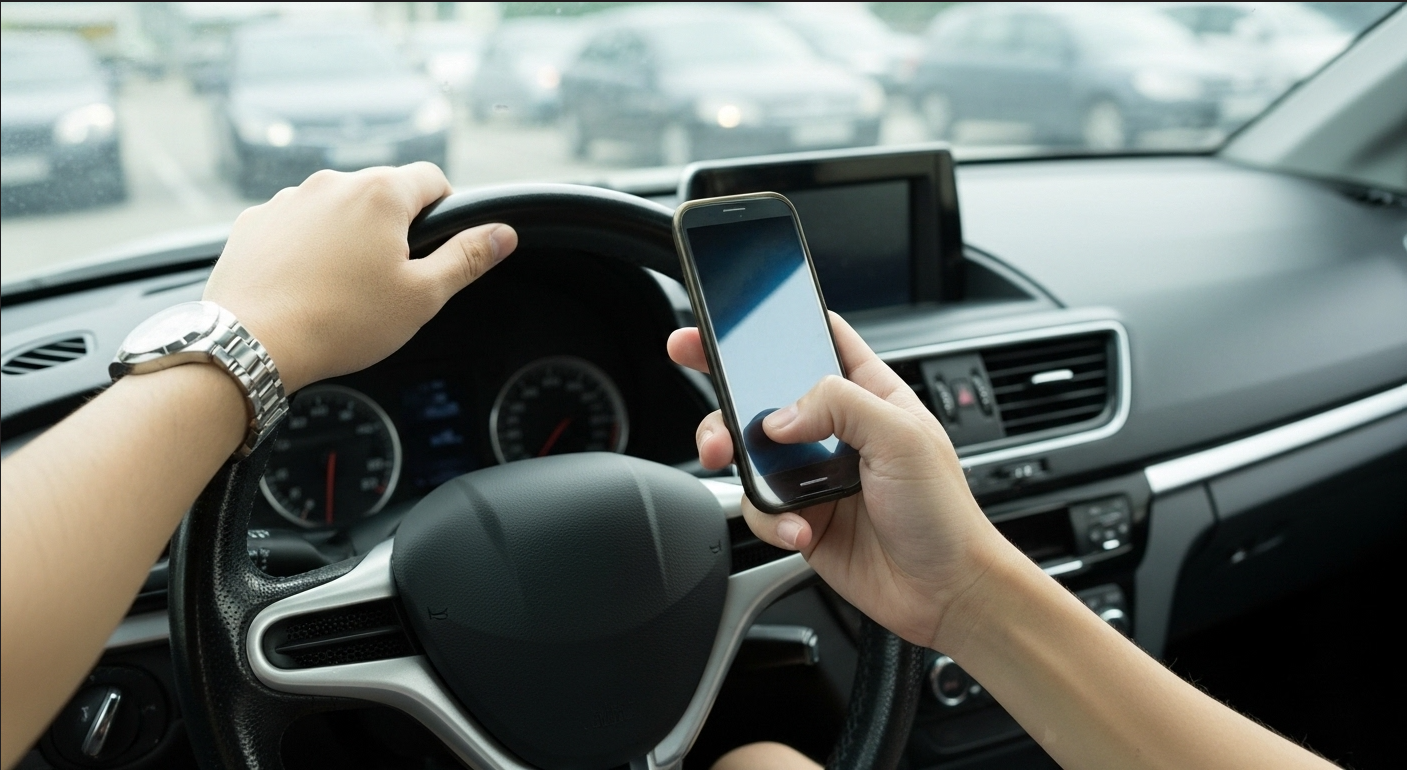
- Use mobile phones, headphones, or similar devices while driving, unless using a fully hands-free system.
- Use radar detectors or devices intended to evade traffic surveillance.
2.2 Circulation Rules
2.2.1 General Principles
- Always drive on the right-hand side of the road unless overtaking or in specific exceptions.
- Use the correct lane based on the type of road and the flow of traffic.
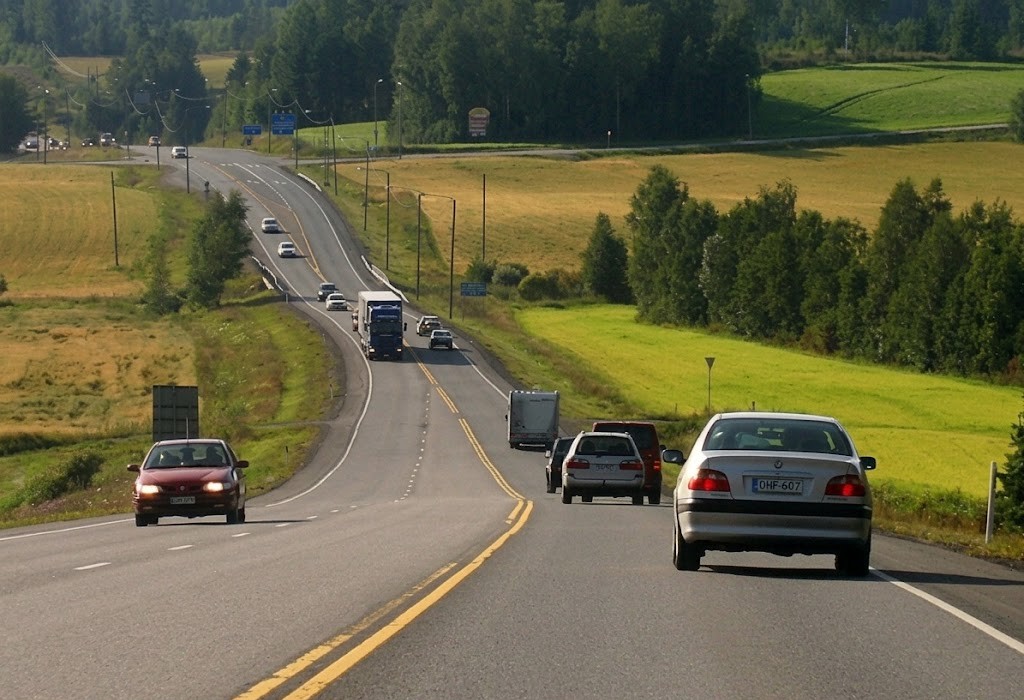
2.2.2 Roads with One Lane in Each Direction
- Motor vehicles and special vehicles with a Maximum Authorised Mass (MAM) over 3,500 kg must keep to the right.
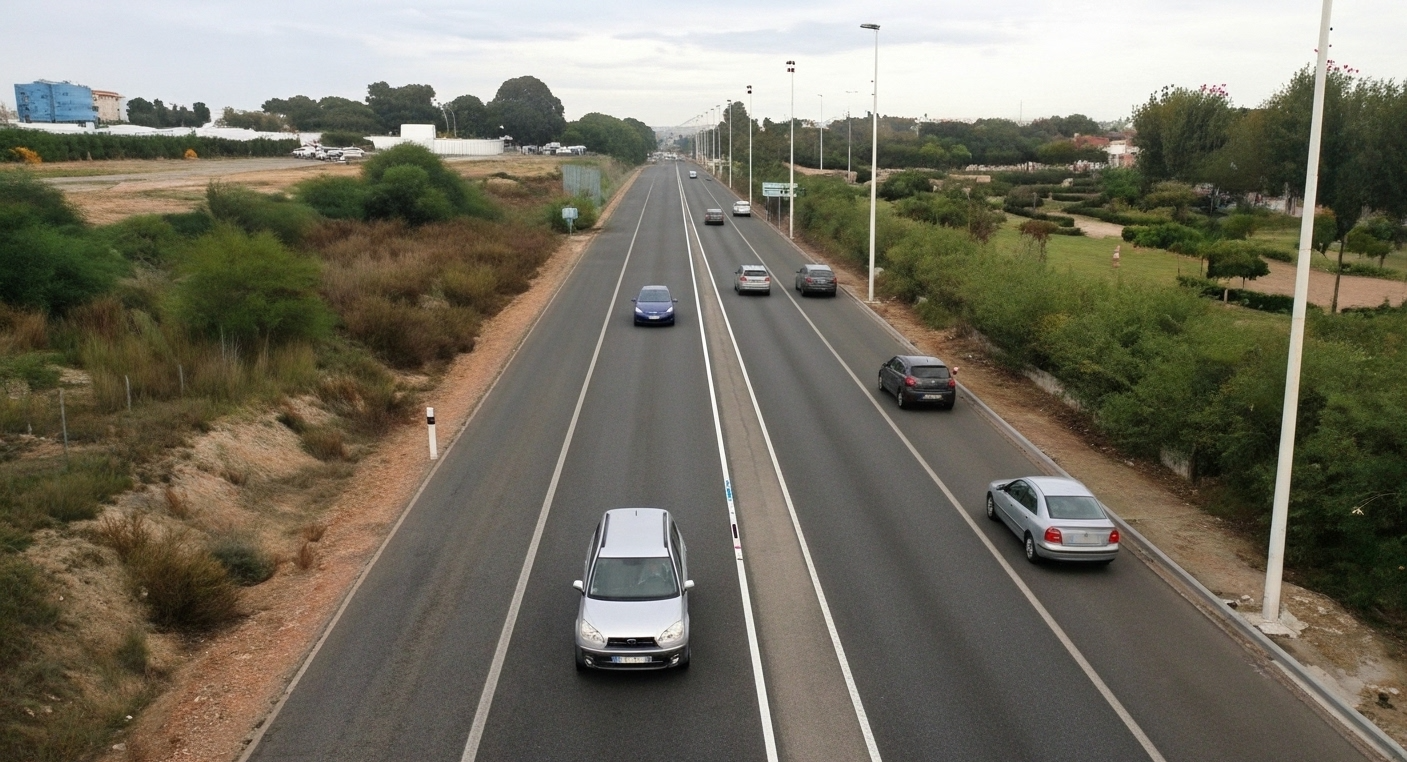
2.2.3 Roads with Double Direction and Three Lanes
- Drive in the right lane.
- The centre lane can be used only for overtaking or turning left.
- The leftmost lane must never be used.
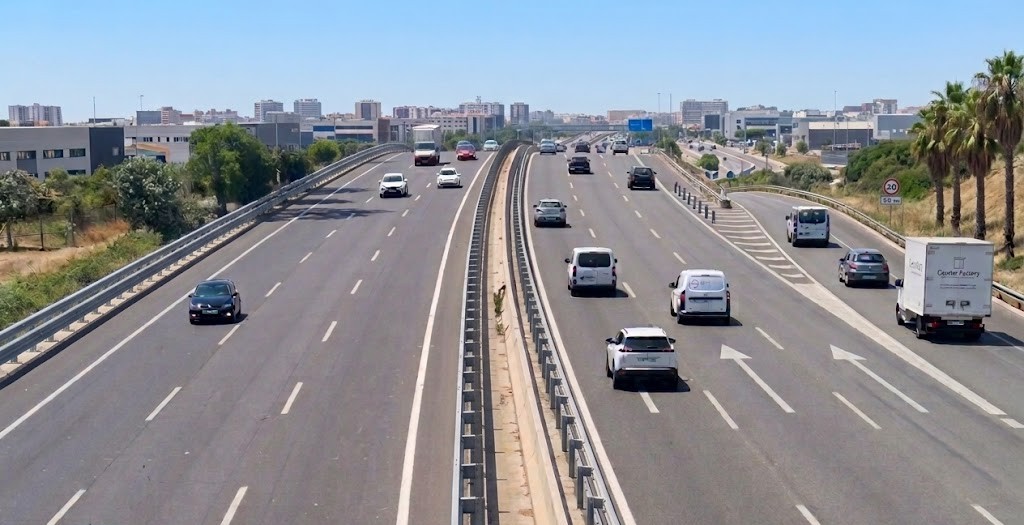
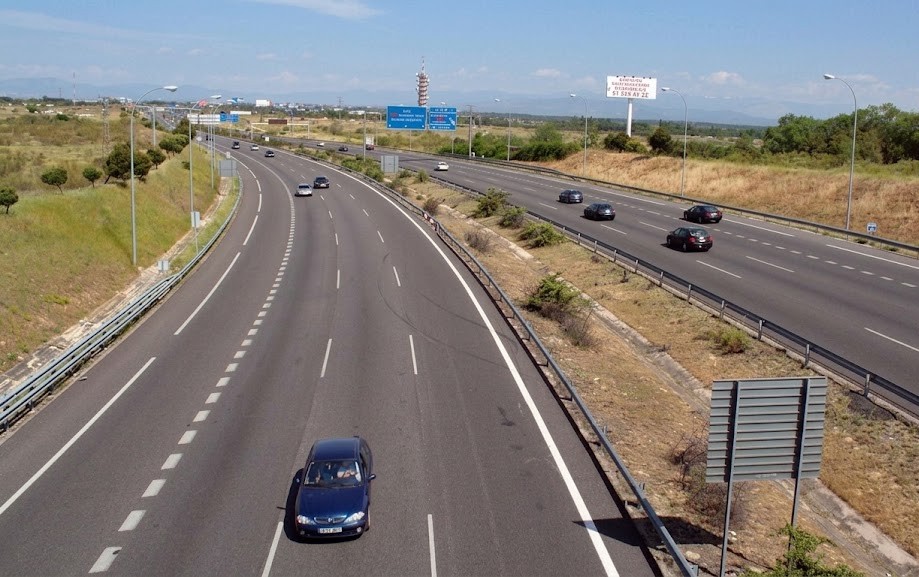
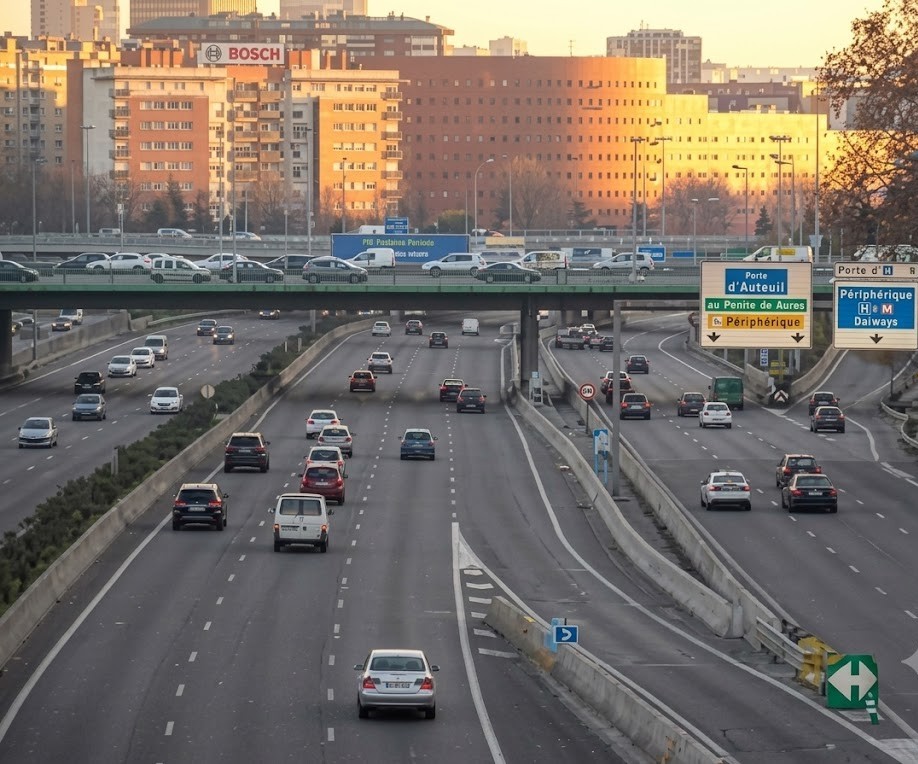
2.2.4 Multi-Lane Roads
- In urban areas, vehicles may use any lane that suits their destination.
- In non-urban areas, vehicles over 3,500 kg MAM must generally stay in the right lane, using other lanes only when necessary (e.g., overtaking).
2.2.5 Special Situations
- In the presence of islands, medians, or guide devices, drivers must keep to the right unless signage allows otherwise.
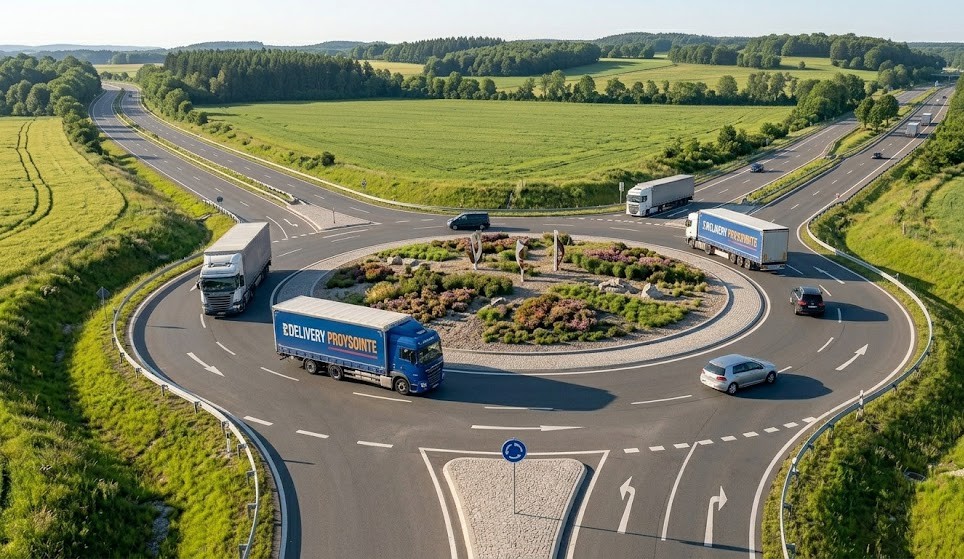
- In roundabouts, always circulate counterclockwise, keeping the centre island on your left.
2.2.6 Lane Restrictions Outside Urban Areas
- Vehicles over 3,500 kg and combinations exceeding 7 metres must not use the third or subsequent lanes when more than two lanes are available in the same direction.
2.3 Types of Special Lanes
| Lane type | Who can use it | Key rules |
|---|---|---|
| HOV (High Occupancy Vehicle) | Motorcycles, passenger cars, and mixed-use vehicles up to 3,500 kg MAM. | Minimum occupancy as posted. No trailers allowed. |
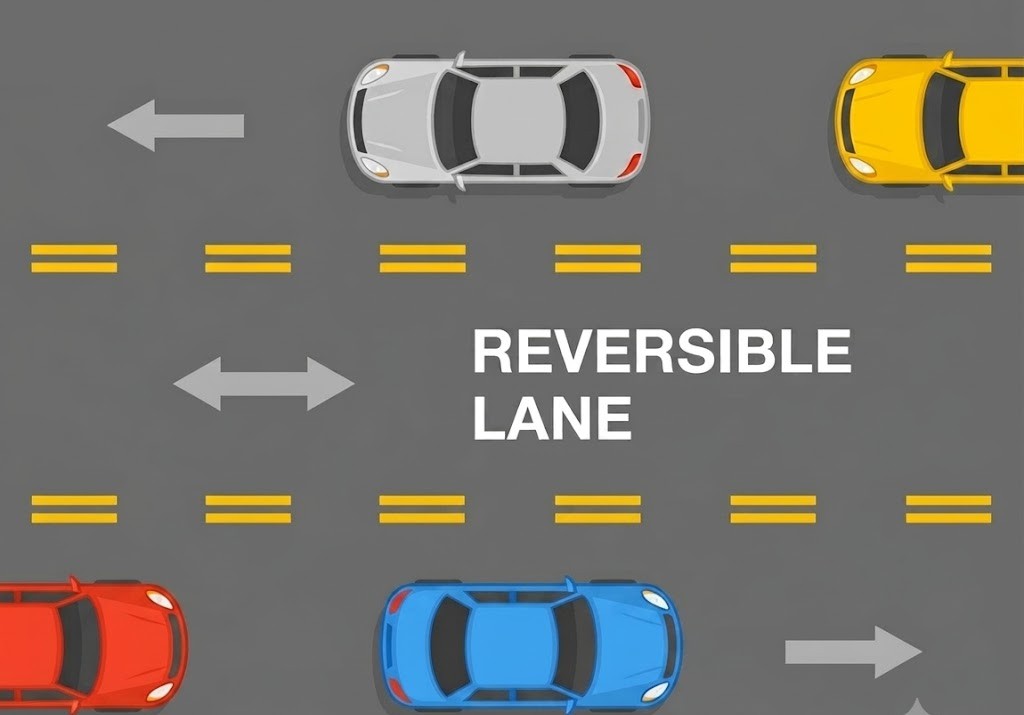
| Reversible | All vehicles. | Traffic direction changes by traffic signals. Mandatory low-beam headlights at all times. |
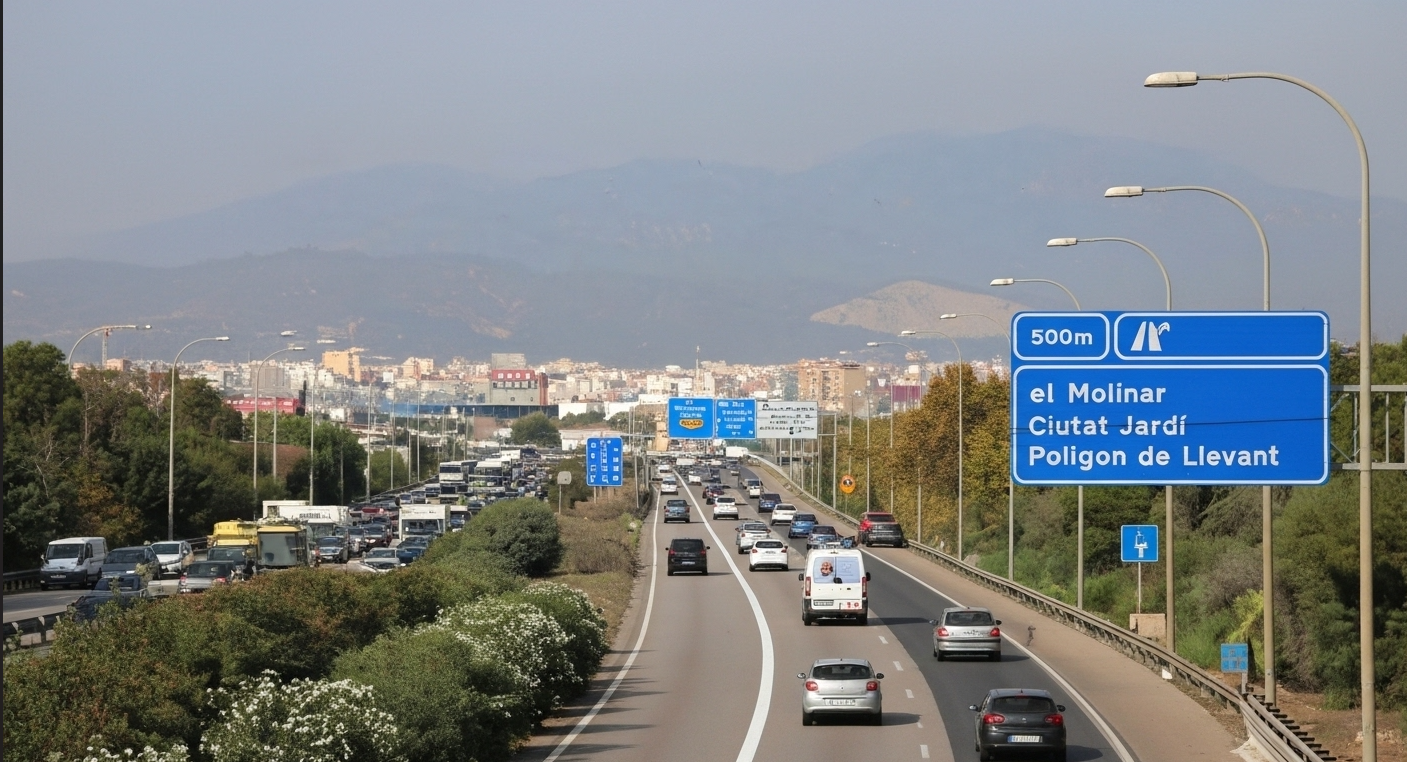
| Additional | All vehicles. | Temporarily created on roads with paved shoulders to manage heavy traffic. Speed 60-80 km/h. Mandatory low-beam headlights. |
| Opposite-Direction | Typically passenger cars and motorcycles without trailers. | Temporarily reverses normal flow during congestion. Mandatory low-beam headlights. Speed 60-80 km/h. |
2.4 Use of the Shoulder
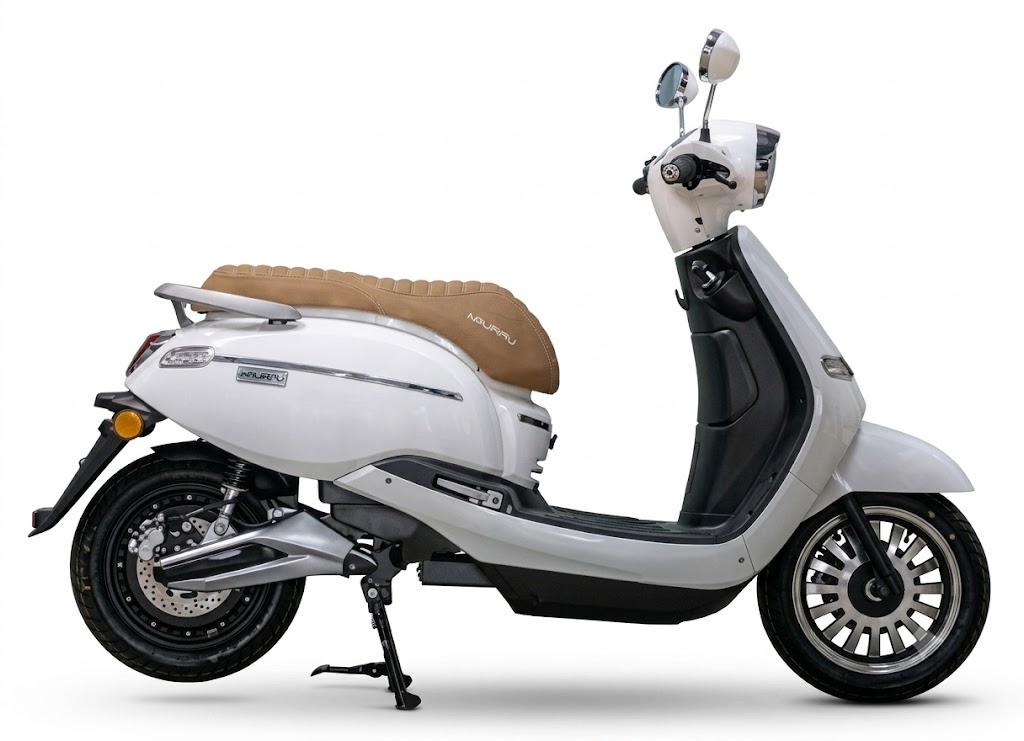
Vehicles that must use the shoulder include:
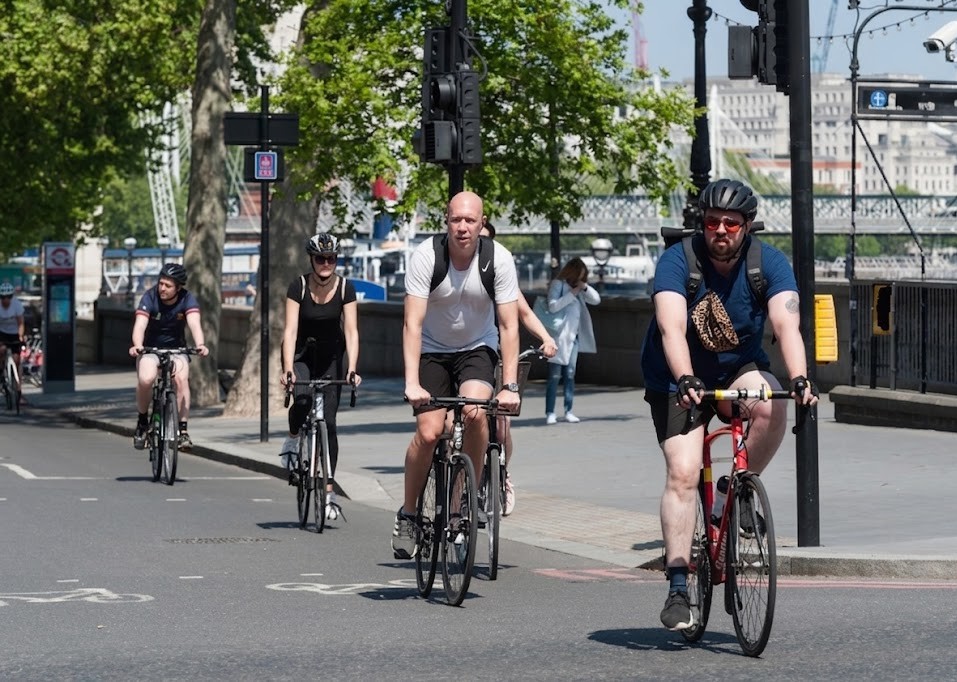
- Bicycles, mopeds, and vehicles for people with reduced mobility.
- Animal-drawn vehicles.
- Special vehicles up to 3,500 kg MAM.
- Vehicles moving abnormally slowly due to emergencies.
Rules:
- Do not ride in parallel unless allowed (e.g., bicycles - but they must form a single file on poor-visibility sections).
- Overtaking among shoulder vehicles must not exceed 15 seconds or 200 metres.
2.5 Safe Distance Between Vehicles
- Always maintain enough distance to avoid collisions.
- On interurban roads with only one lane per direction, leave space for another vehicle to overtake safely.
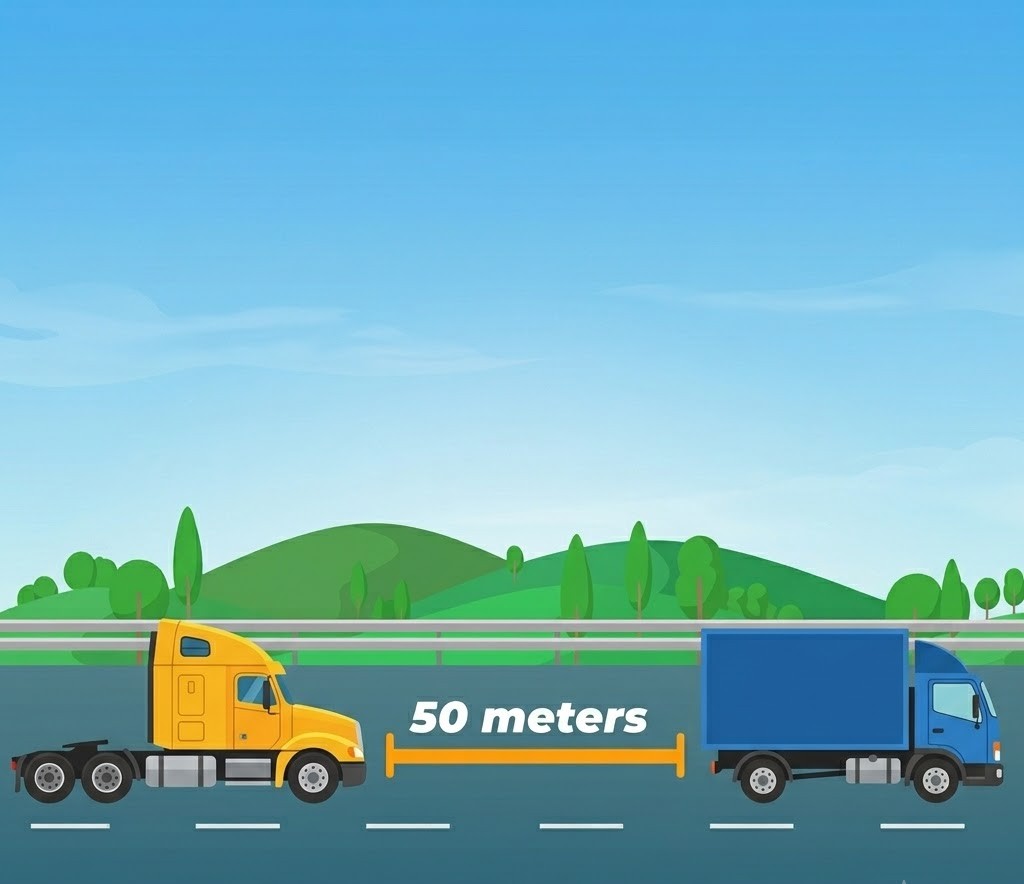
- Heavy vehicles must keep at least 50 metres distance except when overtaking is prohibited or traffic is dense.
2.5.1 Tunnels and Underpasses
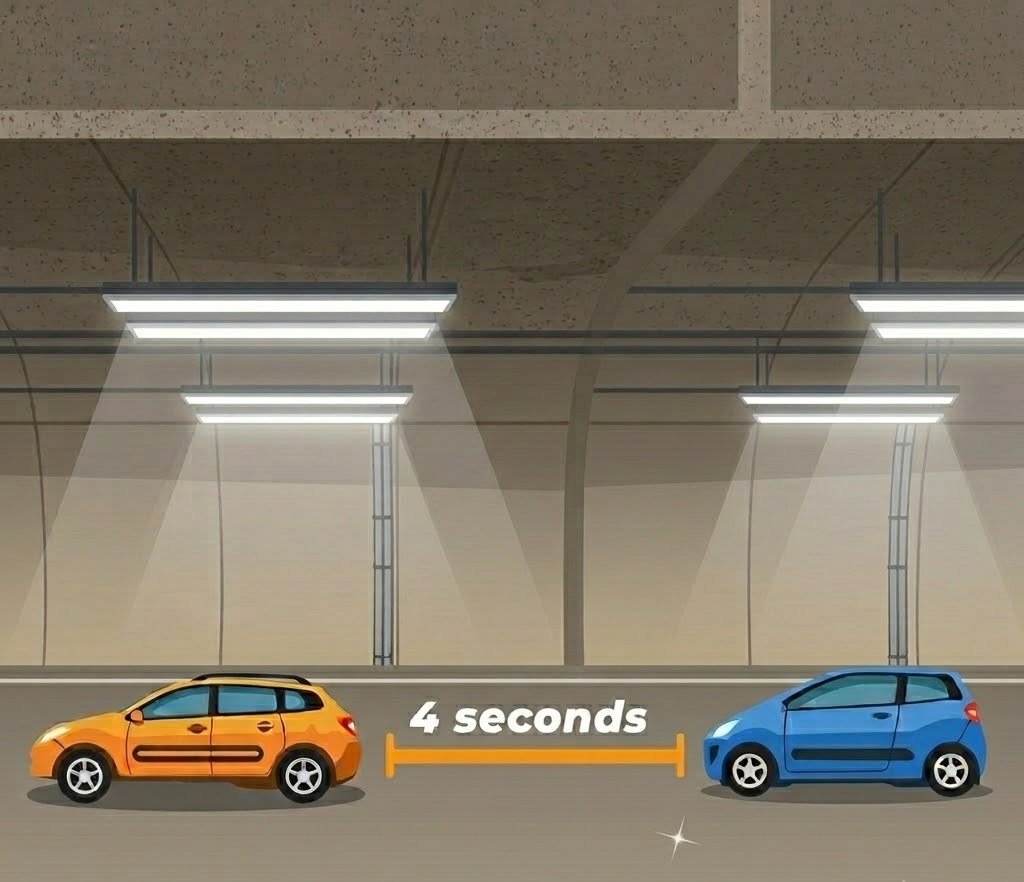
| Vehicle | Minimum distance | Time interval |
|---|---|---|
| General | 100 metres | 4 seconds |
| Over 3,500 kg MAM | 150 metres | 6 seconds |
2.6 Pedestrian Traffic
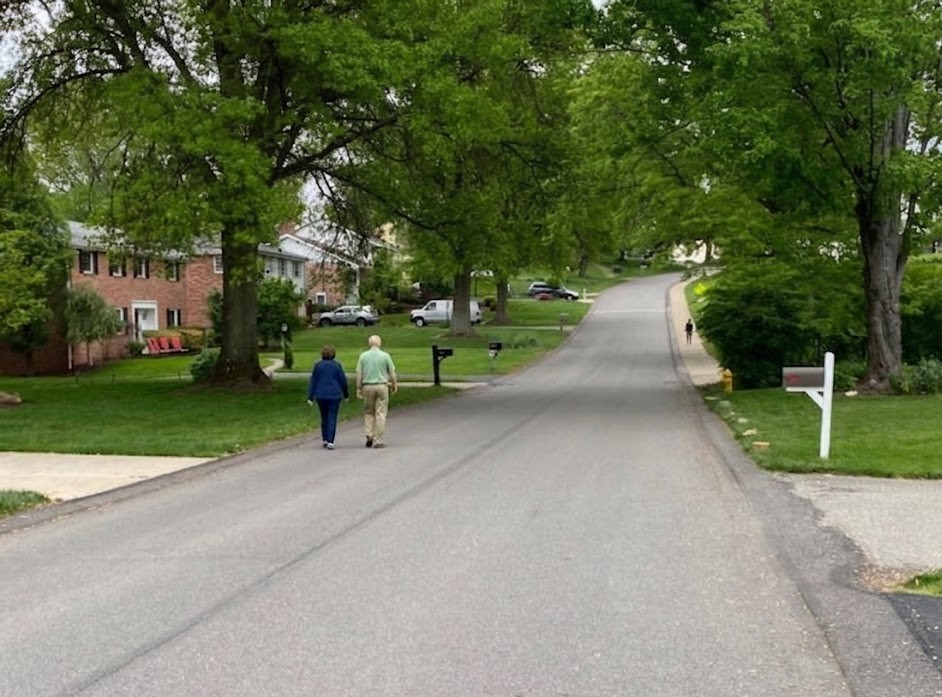
- Pedestrians must use sidewalks or designated pedestrian areas.
- If none are available - in urban areas: either side, depending on safety; in interurban areas: walk on the left.
Special notes:
- Pedestrians using skates or scooters must move at walking speed and not use the roadway.
- Pedestrians are banned from motorways and expressways.
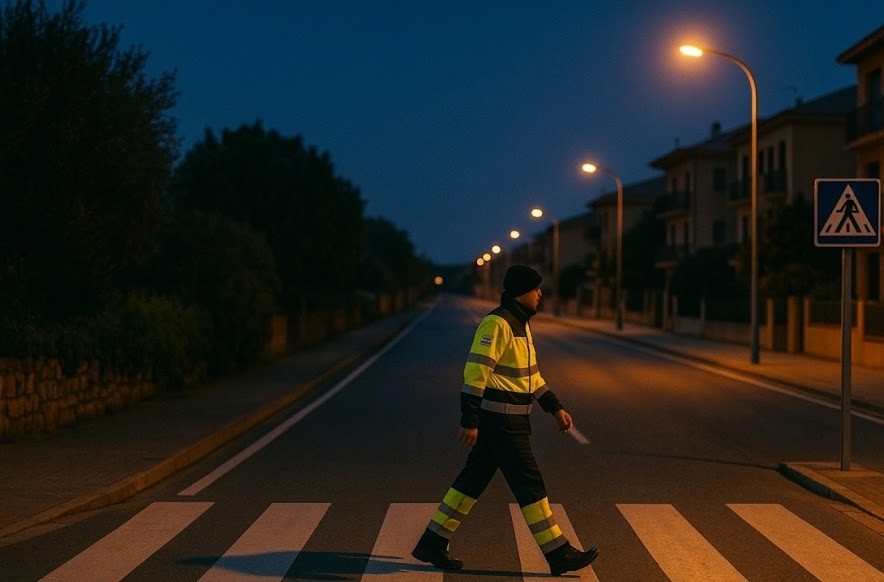
- At night, pedestrians on interurban roads must carry reflective elements visible at 150 metres.
2.7 Animal Traffic
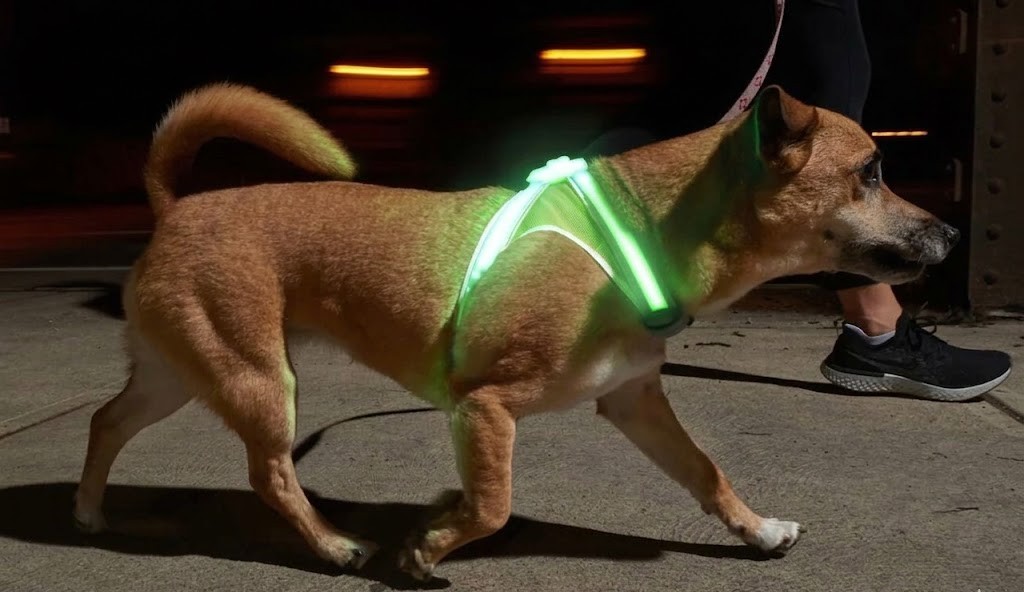
- Animals must be led by an adult.
- Move along the right shoulder or the minimum necessary part of the road.
- In poor lighting conditions, they must carry white/yellow lights forward and red lights backward.
2.8 Speed Regulations
Speed depends on the type of road and vehicle.
2.8.1 General Limits Outside Urban Areas
- Motorways and expressways: minimum 60 km/h.
- Conventional roads: minimum half of the maximum allowed.
2.8.2 General Limits Within Urban Areas
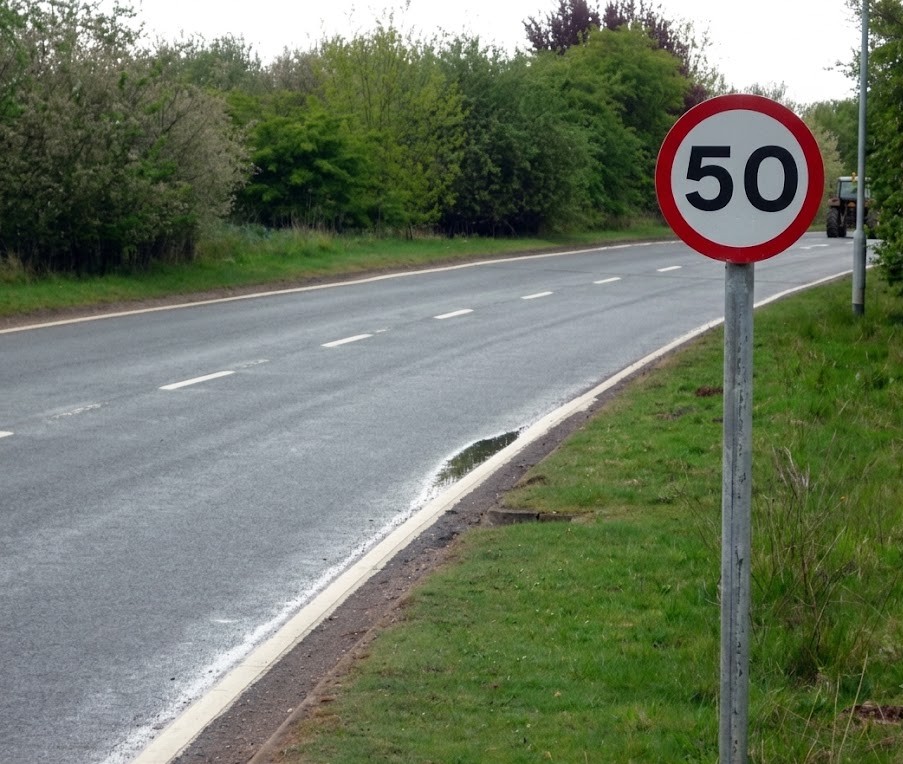
- 50 km/h maximum, 25 km/h minimum.
2.8.3 Speed Adjustments
| Vehicle / situation | Adjustment |
|---|---|
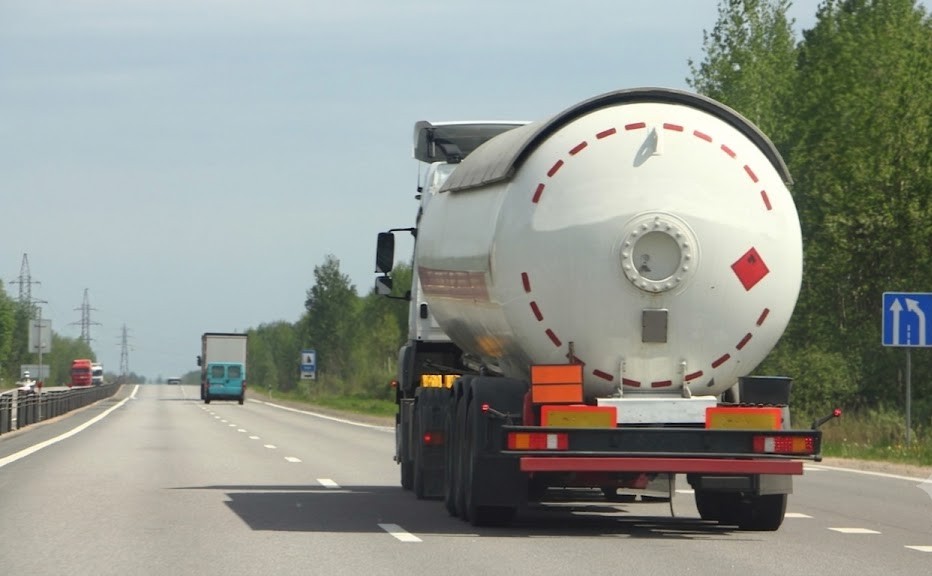
| Vehicles transporting hazardous goods | -10 km/h from general limits |
| School transport vehicles | -10 km/h on non-urban roads |
| Light quadricycles and mopeds | -10% of general maximum speed |
2.8.4 Abnormally Low Speeds
- Circulating under the minimum speed without justification is prohibited.
2.8.5 Appropriate Speed
- Must adapt speed to road, traffic, and weather conditions, even if within legal limits.
2.8.6 Situations Requiring Reduced Speed
- Near pedestrians, schools, buses, narrow buildings, cyclists, and when crossing.
- In poor weather conditions.
- At intersections, sharp curves, crests, level crossings, and roundabouts.
2.9 Right of Way (Priority)
Priority rules determine who must yield when paths cross.
2.9.1 Intersections
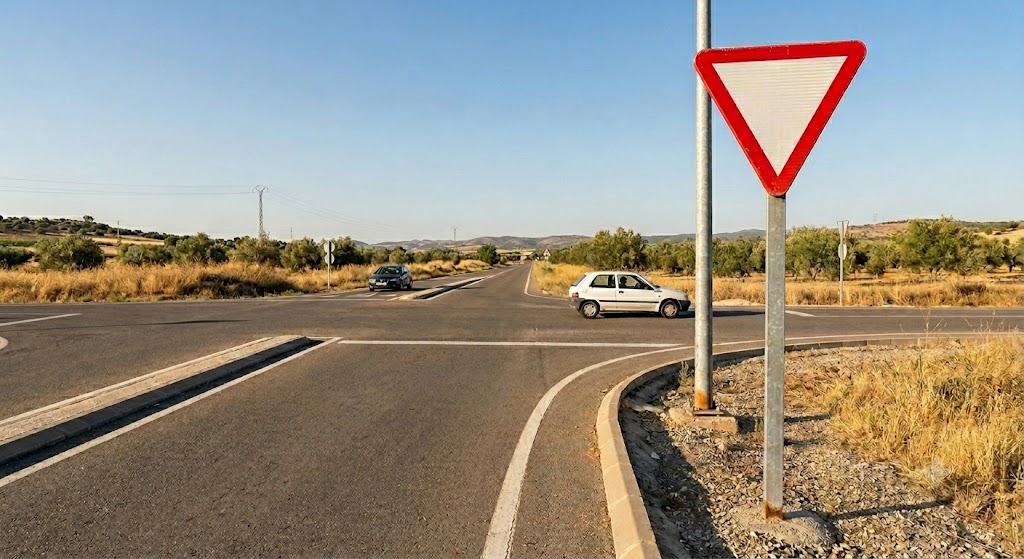
- Obey signage.
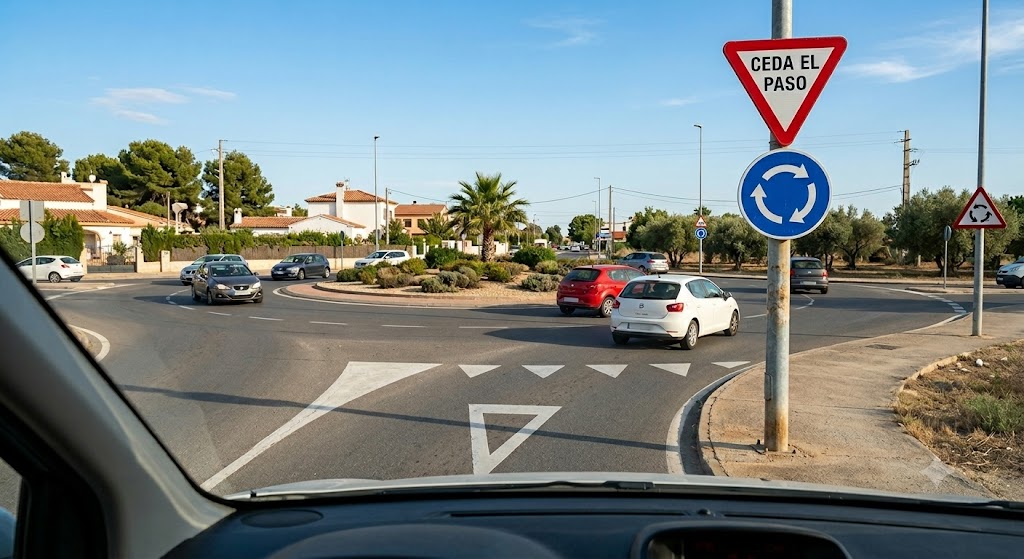
- Without signage, yield to vehicles coming from the right.
Exceptions:
- Paved roads have priority over unpaved roads.
- Vehicles already inside a roundabout have priority.
- Vehicles on motorways or expressways have priority.
- Rail vehicles (trains, trams) always have priority.
2.9.2 Narrow Roads
- Priority to the vehicle that entered first.
- If unclear, vehicles with more difficulty manoeuvring (special vehicles, large vehicles) have priority.
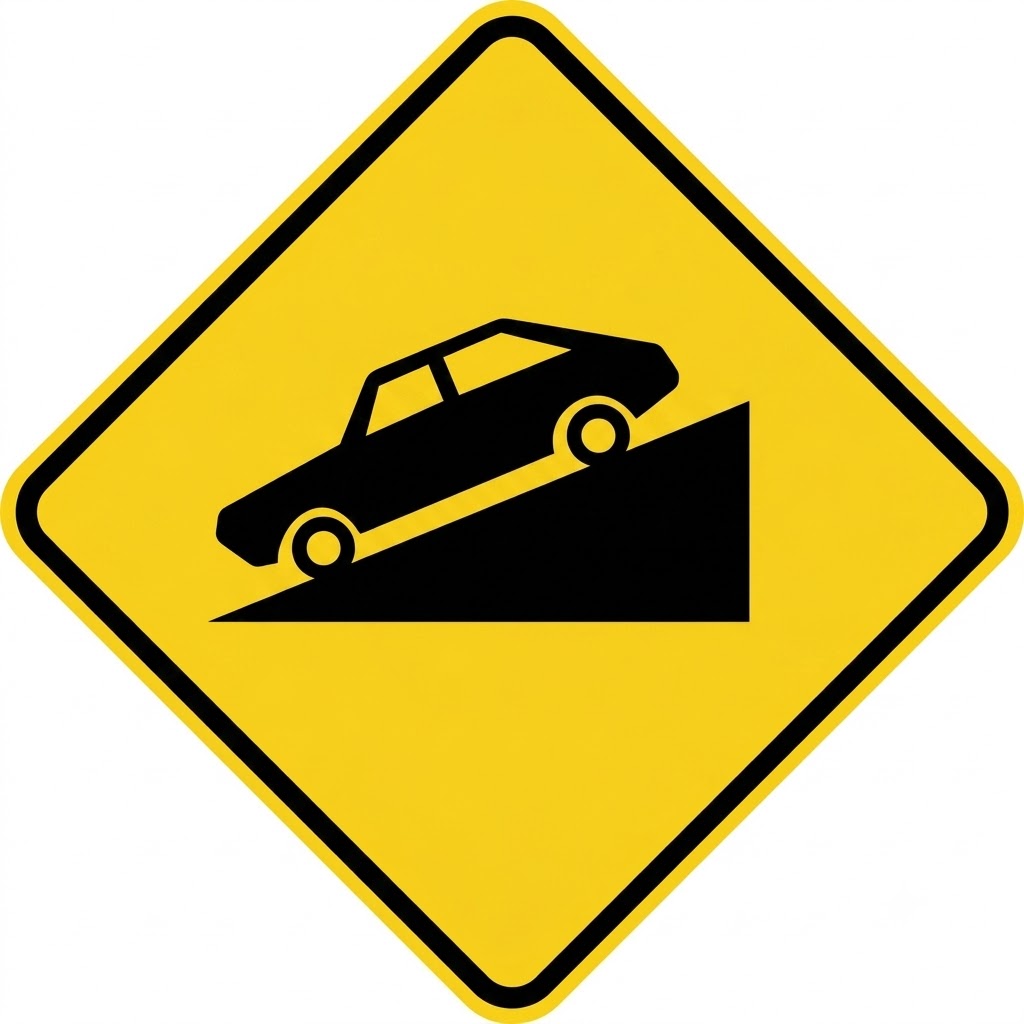
- On steep slopes (>7%), the ascending vehicle has priority - unless a passing place is closer to the descending one.
2.9.3 Priority for Cyclists, Pedestrians, and Animals
Cyclists
Drivers must yield to cyclists at crossings, when turning, and if a group has started crossing.
Pedestrians
Drivers must yield to pedestrians at crosswalks, when turning, or when they are boarding/alighting buses.
Animals
Drivers must yield to animals at marked crossings or when turning onto roads they are crossing.
2.9.4 Emergency Vehicles
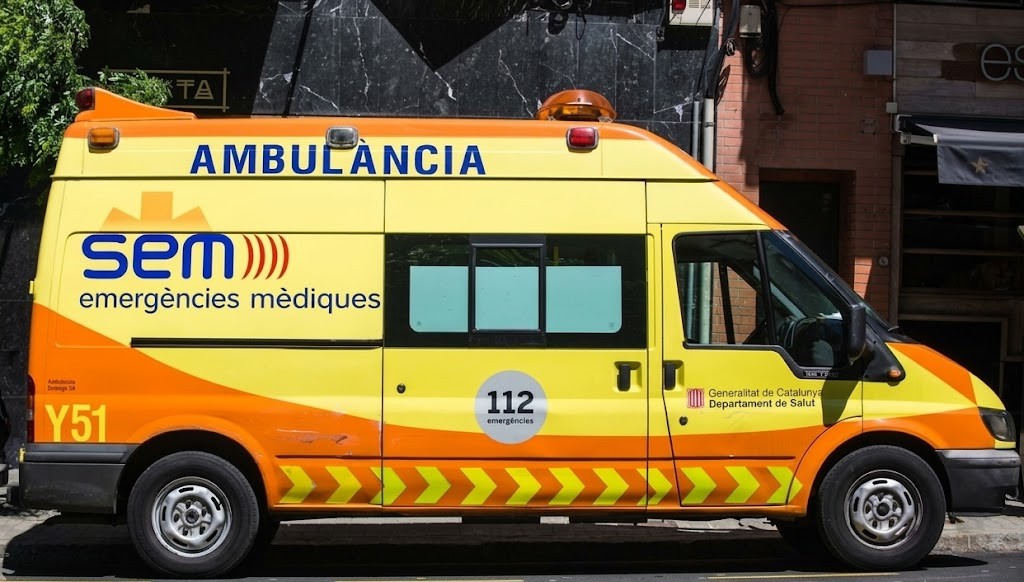
- Vehicles with both siren and flashing lights operating have priority.
- Non-priority vehicles on urgent duty must use sound signals and hazard lights.
- Other road users must move aside or stop to facilitate their passage.
Ready to test your knowledge?
Practice questions covering everything in Chapter 2 - Use of Public Roads.Última actualización: 2026-06-27
Practica las preguntas de este capítulo
La teoría es gratis. Crea una cuenta gratis para practicar preguntas con formato oficial y seguir tu progreso.