Chapter 6 - Transport of People and Goods
Transporting people and goods is one of the most common uses of vehicles, but it must always be carried out under strict safety conditions and in accordance with traffic laws. This chapter explains the legal requirements, limitations, and safety measures drivers must follow in Spain when carrying passengers or cargo.
6.1 Transport of People
6.1.1 Legal Limitations
6.1.2 Seating Position
- Passengers must sit only in designated passenger seats.
- It is strictly forbidden to transport people in cargo compartments.
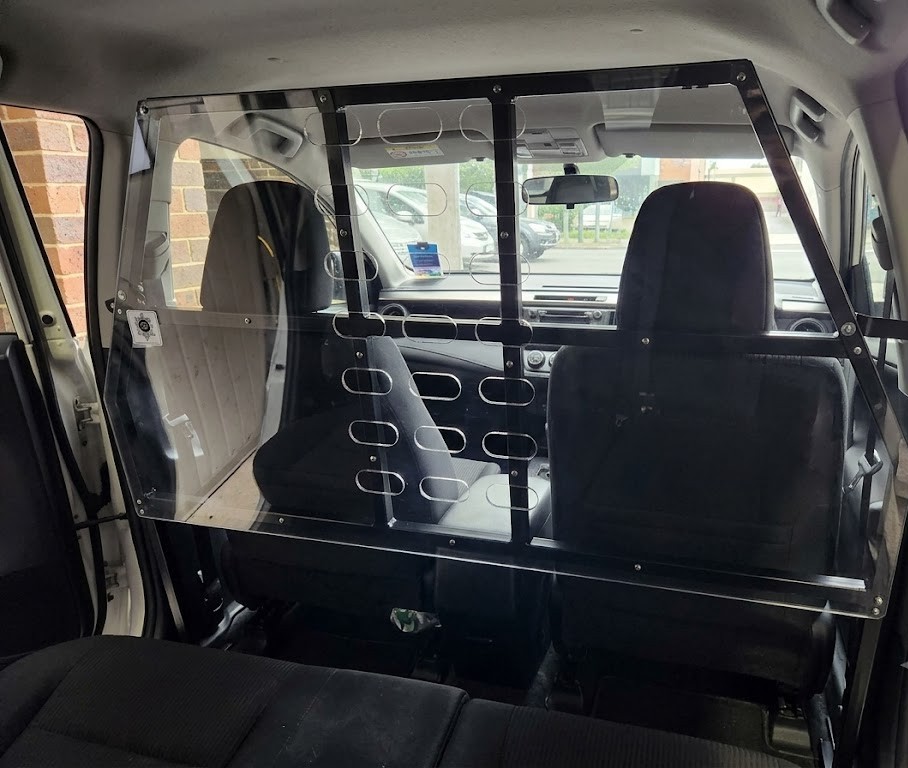
- Vehicles transporting both passengers and cargo must include a partition or adequate protection system to prevent cargo from harming occupants in case of sudden braking or collision.
6.1.3 Seat Belt Usage
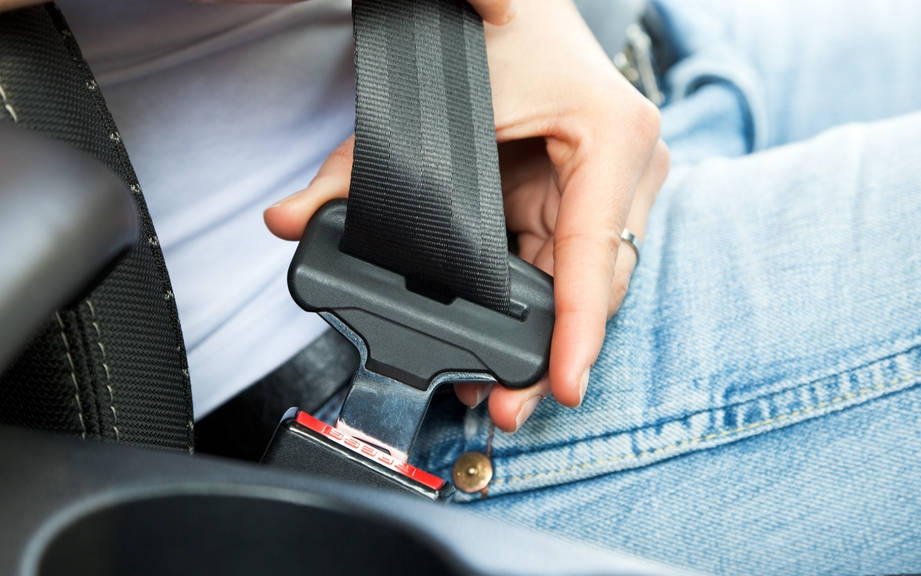
Both drivers and passengers are required to use seat belts in all vehicles equipped with them, whether driving in urban or interurban areas.
- Drivers while reversing or parking.
- People with certified medical conditions or disabilities exempting them from seat belt use.
- Emergency service drivers and passengers on duty.
- Driving instructors during training or testing.
- Delivery drivers who stop frequently for short distances.
- Taxi drivers on service (they may transport passengers under 135 cm in height without restraint systems if seated in the back).
6.1.4 Child Restraint Systems
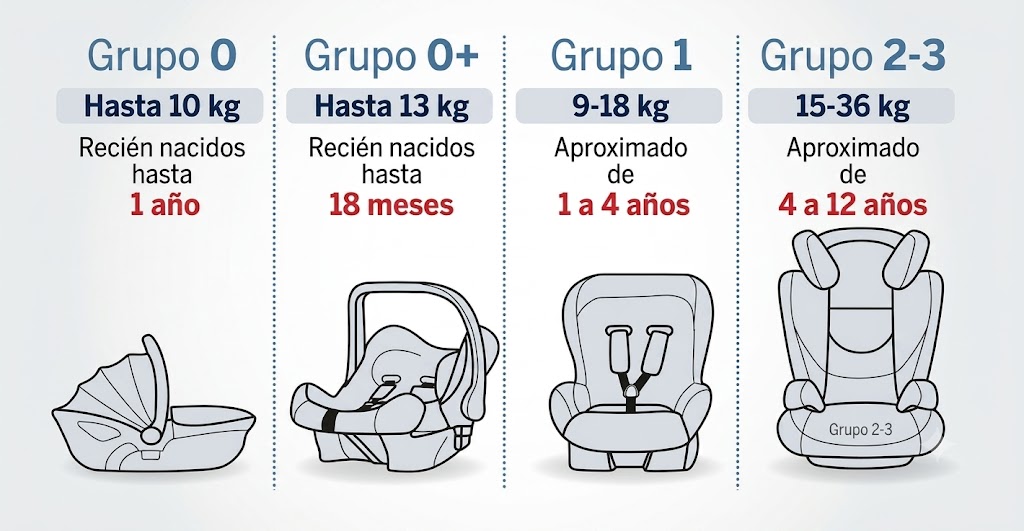
- Children under 3 years must use an approved restraint system suited to their weight and height.
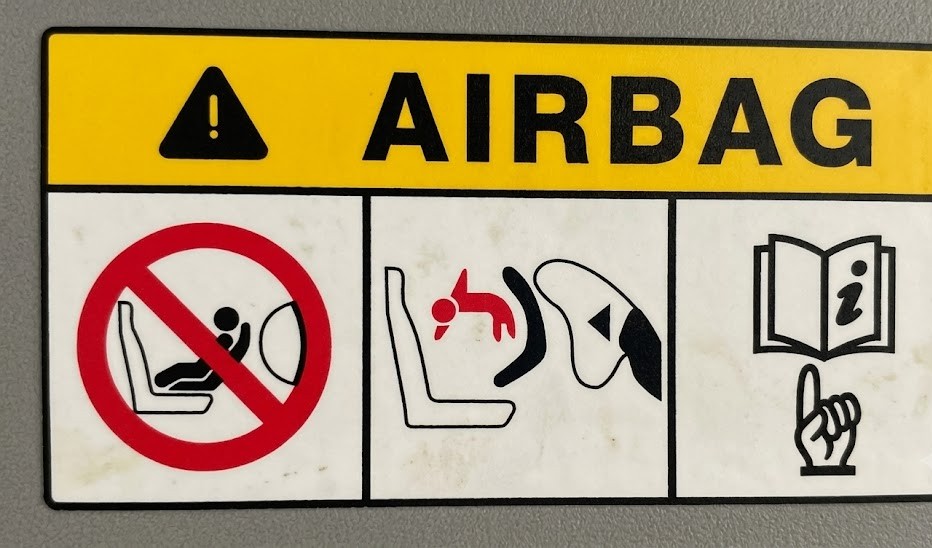
- If the seat is rear-facing and equipped with an airbag, it must be deactivated before use. If it cannot be deactivated, the child must not be seated there.
- Children under 135 cm must sit in rear seats using appropriate child restraint systems, except in specific cases where this is not possible.
6.1.5 Rear Seat Rules
- Children under 135 cm must always use an approved child safety device in the back seat.
- Children between 135 cm and 150 cm may use either a seat belt or a child restraint system adapted to their size and weight.
6.1.6 Entry and Exit from the Vehicle
- Vehicle occupants must enter and exit on the side closest to the curb or roadside.
- Doors should only be opened when the vehicle is completely stopped and it is safe to do so.
6.1.7 Transport on Motorcycles, Mopeds, and Bicycles
- Motorcycles and mopeds can carry two people only if allowed in the vehicle's documentation.
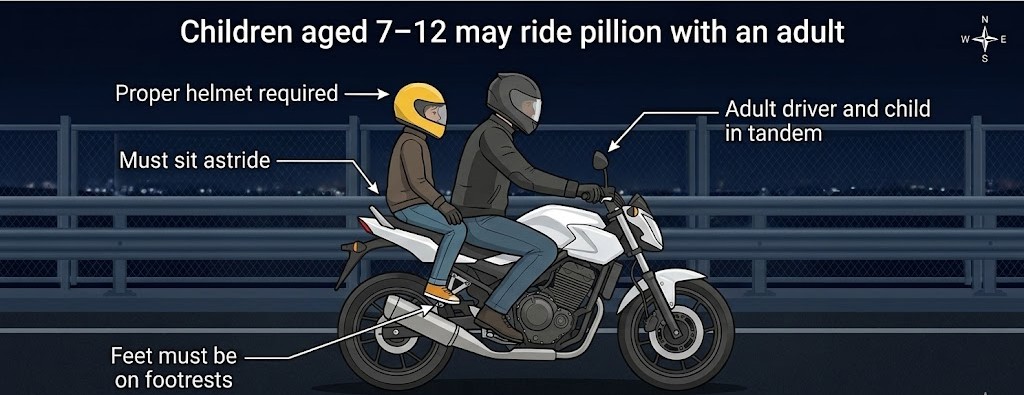
- Children under 12 years old are generally not allowed as passengers - unless they are at least 7 years old and accompanied by a parent, guardian, or authorised adult. They must sit astride the seat, with feet on side footrests.
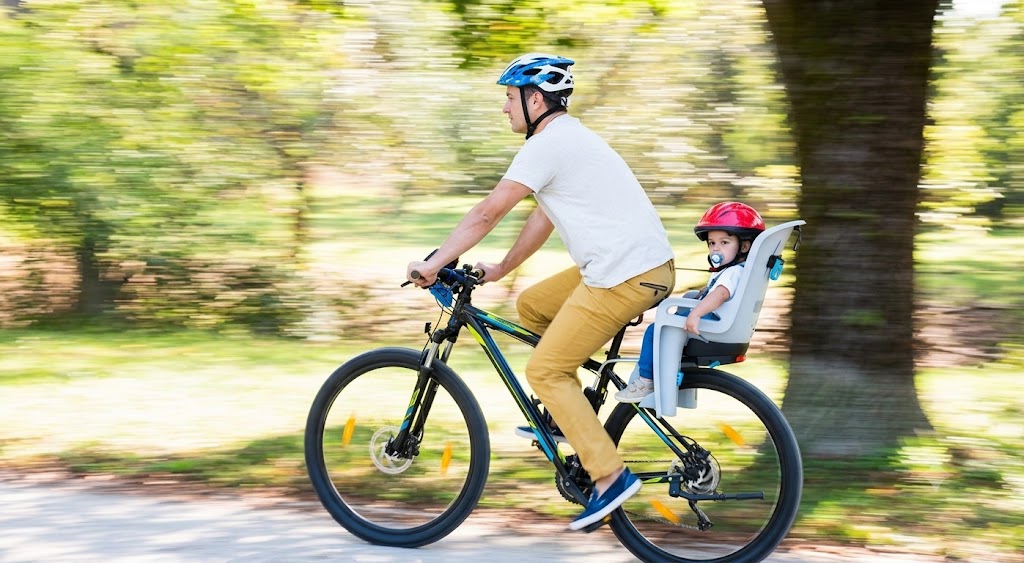
- Children up to 7 years old can be carried on bicycles in an approved rear seat if the cyclist is an adult.
6.1.8 Helmet Use
Wearing an approved helmet is mandatory for drivers and passengers of:
- Mopeds
- Motorcycles (with or without sidecar)
- Three-wheeled vehicles and quadricycles
6.2 Transport of Goods
6.2.1 Load Handling
Loading and unloading must be done off-road whenever possible. If performed on the road, it must be done from the side closest to the curb, following parking and stopping regulations, and without placing goods on the road, shoulder, or pedestrian areas.
6.2.2 Load Requirements
- The cargo must not compromise vehicle stability, visibility, or control.
- It must be securely fastened to prevent falling, dragging, or noise pollution.
- The cargo must not exceed the vehicle's authorised dimensions or weight.
6.2.3 Load Projections
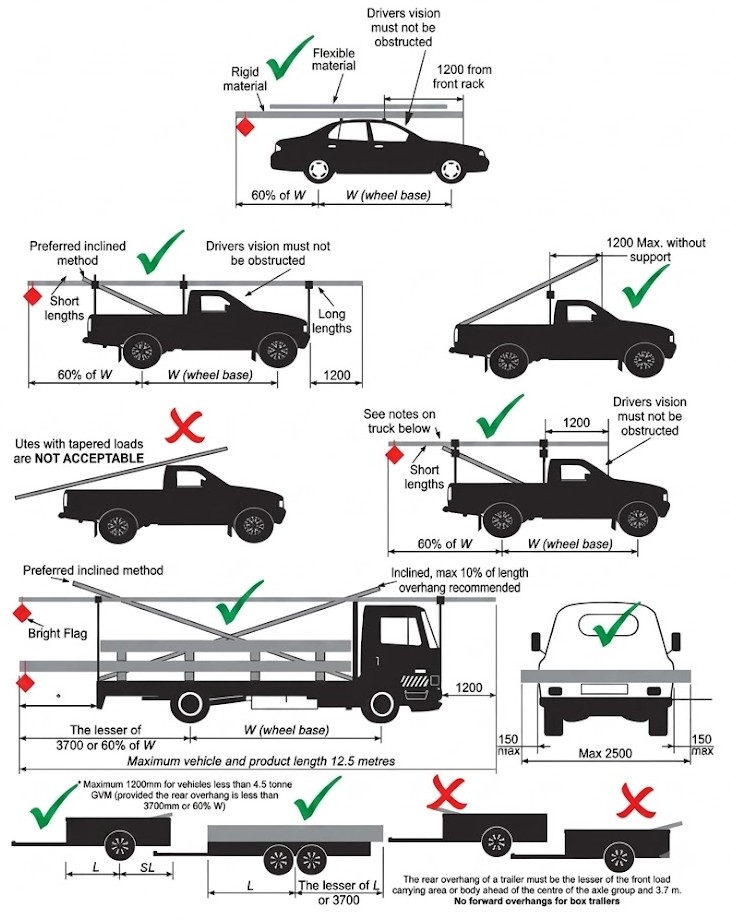
- Rear overhang is allowed up to 10% of the vehicle's length, or 15% for indivisible loads.
- Lateral projections must not exceed the vehicle width, except for special vehicles like agricultural equipment.
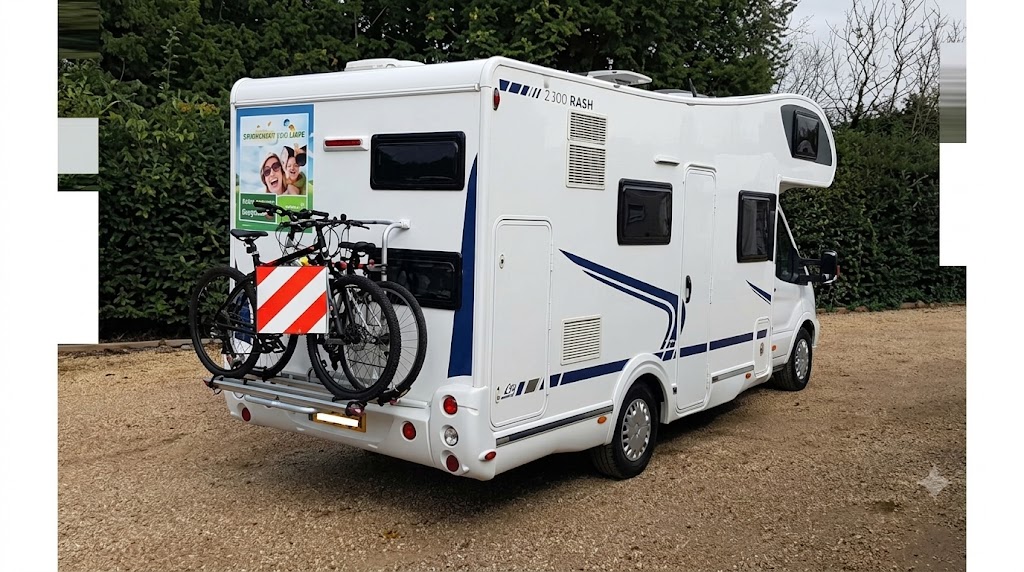
- Protruding loads must be marked with a red-and-white V-20 sign. At night or in poor visibility, lights must be added (red at rear, white at front).
6.2.4 Special Cargo Restrictions
Entry restrictions apply to vehicles transporting:
- Dangerous goods (e.g., flammable or explosive materials).
- Pollutants (e.g., over 1,000 litres of water-contaminating substances).
These restrictions are often indicated with specific road signs.
6.2.5 Driver Responsibilities
- The driver is responsible for ensuring the load is secure and does not exceed weight or size limits.
- Before starting the journey, the driver must verify that the vehicle complies with all applicable regulations.
6.2.6 Parking and Loading Signs
Certain signals restrict access based on cargo type, including:
- Signs prohibiting entry to goods transport vehicles over a certain mass.
- Restrictions on vehicles carrying dangerous, flammable, or polluting substances.
Ready to test your knowledge?
Practice questions covering everything in Chapter 6 - Transporting People and Goods.Última actualización: 2026-06-27
Practica las preguntas de este capítulo
La teoría es gratis. Crea una cuenta gratis para practicar preguntas con formato oficial y seguir tu progreso.